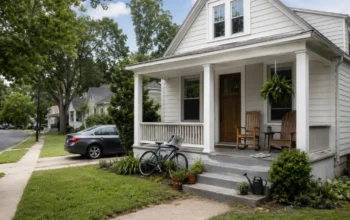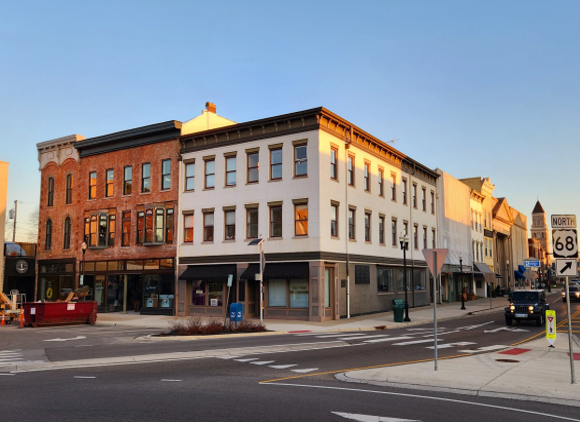
According to the United States Census Bureau, 80 percent of Americans live in urban areas. But, you may be surprised to learn that the Census Bureau defines an urban area as having a minimum population of 5,000 people. In fact, the United States has over 2,600 urban areas meeting that criteria; however, only 510 have populations of 50,000 or more. In other words, ‘urban’ and small town aren’t mutually exclusive.
Yet while the hardships of big city life, such as the cost of living, overcrowding, homelessness, crime rates and public transportation, often catch our attention in national media and spark debate within social circles, there is another, largely unknown side to the United States’ struggles—fear of the looming death of small-town America.
Every community, whether big city or small town, faces unique challenges and opportunities. Today, many hometowns are affected by various pain points such as housing affordability and availability issues, economic stagnation and inequity of economic opportunity, outdated infrastructure and environmental issues.
While there are many intangible and non-empirical benefits to small-town life, an option since the pandemic we have seen more people increasingly consider, small towns offer an essential way to bolster the nation’s economic strength. One example is investing in existing, local properties—rather than new construction. Revitalizing these outdated or degrading buildings can offer sustainable solutions, ultimately positively affecting locals and benefiting the country.
Revitalizing these existing local properties can produce many benefits, but four of the most notable are providing affordable housing, creating jobs, reducing environmental impact, and elevating the local economy.
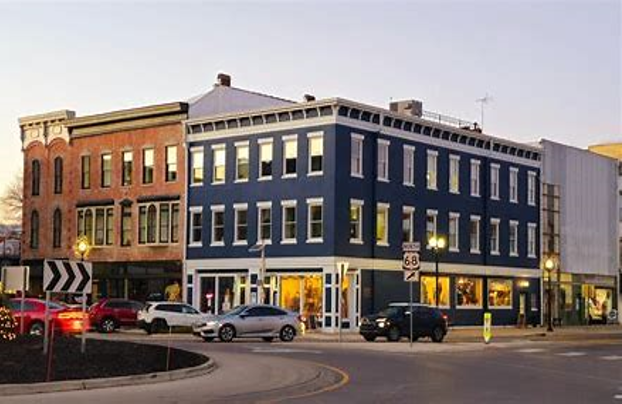
1. Increases housing availability
Typically, we as a society place a significant focus on growth, whether personally or professionally, locally or regionally and economically or physically. However, often, as cities experience this newfound expansion and an influx of opportunities, the associated rising housing costs can strain the economy and local citizens.
According to the OCC, an independent bureau of the U.S. Department of the Treasury, rising home prices have made it more challenging in recent years for first-time buyers to find properties they can afford. According to Justin T. Weller, founder of Urbana Tomorrow and a fierce advocate for rethinking real estate, this is part of a loop that leads to higher housing prices in both the rental and ownership markets.
“People that twenty years ago would have been in a position to buy their first home and stop renting aren’t able to because of the growing margin between new home prices and their income,” Weller explained. “The issue then becomes that those people keep renting instead of buying. It places more demand on the rental market, which in turn drives up lease rates, which of course then makes it even more difficult to get in a financial position to buy a first home.”
This cyclical cycle is what Weller wants to fix. While developing new ‘affordable’ housing communities is often shared as a solution, it can be out of reach due to the increasing construction costs, zoning roadblocks and limited funding. It also does not address the core underpinnings of the economic challenges that contribute to the increasing cost of housing. Weller believes one solid, alternative option is to increase supply by focusing on buildings that already exist.
“Old properties that need renovation to be habitable or desirable are often overlooked in favor of new construction,” Weller said. “By revitalizing the existing stock and rethinking spaces that have not traditionally been residential accommodations, we can increase supply while tempering the expansion of a community’s geographic footprint.”
Ultimately, this provides additional opportunities to keep communities connected and support historic small towns while providing a vibrant and diverse range of housing and retail options.
2. Promotes local job creation
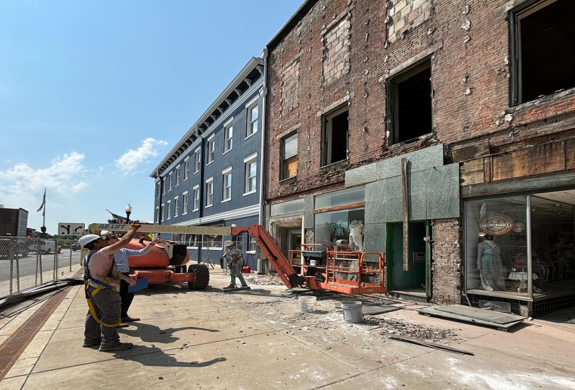
As these properties are refurbished, completed, and opened to the public, locals can expect to see the increase in activity directly translate to job creation and expanded opportunities within the community. From construction to design, property management and more, these restoration and adaptive reuse projects are a fantastic way to generate essential business for professionals throughout the process, whether short- or long-term.
“Even after completion, these projects can stimulate growth in local service industries such as property maintenance, landscaping and cleaning,” Weller also shared. “They can also produce additional demand for local, small businesses that can greatly benefit from the influx of demand. Often, we are redeveloping spaces with retail on the ground floor and residential units above, providing opportunity for small businesses and increasing housing availability.”
This is particularly impactful in economically distressed areas as many of these communities face high unemployment rates.
3. Reduces environmental impact
While investing in existing, local properties can be a socially sustainable solution, it can also be environmentally sustainable. In contrast to its resource-intensive and environmentally taxing counterpart, renovating outdated properties offers a lower cost, from material production to waste disposal.
According to the EPA, “Rural communities are stewards of the forests, wetlands, grasslands and coastal marshes that many of us depend upon—places that help clean both the air and water, provide wildlife habitat and mitigate the impacts of climate change. They provide bountiful agricultural resources that feed the nation…”
Adjusting from new construction to restoration allows for these spaces to be more easily protected, fewer building supplies to be used, less waste to be produced and sent to landfills and more raw resources to be preserved.
“People don’t always think of small towns as the place you’d be talking about environmental sustainability, but we have a term at Urbana Tomorrow called ‘economic environmentalism,’” Weller explained. “Not all environmental solutions are practical yet, however, there are many that are just simply the right economic choice. When the initial investment is paid back within a few years, your operating costs are lowered, and you make more money in the long-run while doing what’s right for the planet, it is a no brainer.”
Opting for these more eco-friendly development tactics will help maintain crucial environments and contribute to a more sustainable society by repurposing underutilized land and reducing urban sprawl.
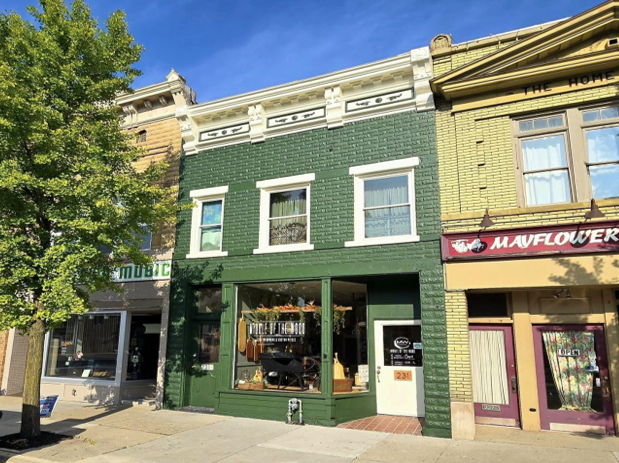
4. Encourages local economic growth
Reducing urban sprawl and investing in existing properties can also preserve local farmland and house family-owned businesses, which is one way this type of development safeguards and encourages the area’s economy.
Particularly in areas with an abundance of vacant, dilapidated buildings or underutilized land, local economies can become stagnant or struggle to find a path for sustainable growth. However, renovating this type of property can assist in resolving this issue.
For example, restoring an old commercial building or town square could attract new stores, small businesses, cafes or offices. It would also have secondary effects such as increasing property values, boosting property tax revenue, attracting new businesses, boosting the local job market and encouraging residents to shop locally, stimulating local service economies.
Whether your goal is to provide affordable housing, create jobs, reduce environmental impact or elevate the local economy, revitalizing existing local properties can produce many benefits. Any efforts that will positively contribute to long-term community well-being are reasons enough to celebrate.
Responsible, sustainable developments and adaptive reuse projects can have a meaningful ripple effect on future generations, making them a prime cause for property owners, investors and community leaders alike. Because a better tomorrow is possible for every community.
Enjoy Worthview?
Add Worthview as a Preferred Source on Google to see more of our stories in Search.

Worthview Editorial Team is the shared byline for content created collaboratively by Worthview’s editors and contributors. Since 2008, we’ve published thousands of articles across technology, AI, finance, health, home, travel, and lifestyle. Our editorial process emphasizes original research, reputable sources, regular content updates, and clear attribution. Articles covering higher-trust topics, including health and finance, may also undergo review by qualified subject-matter experts.