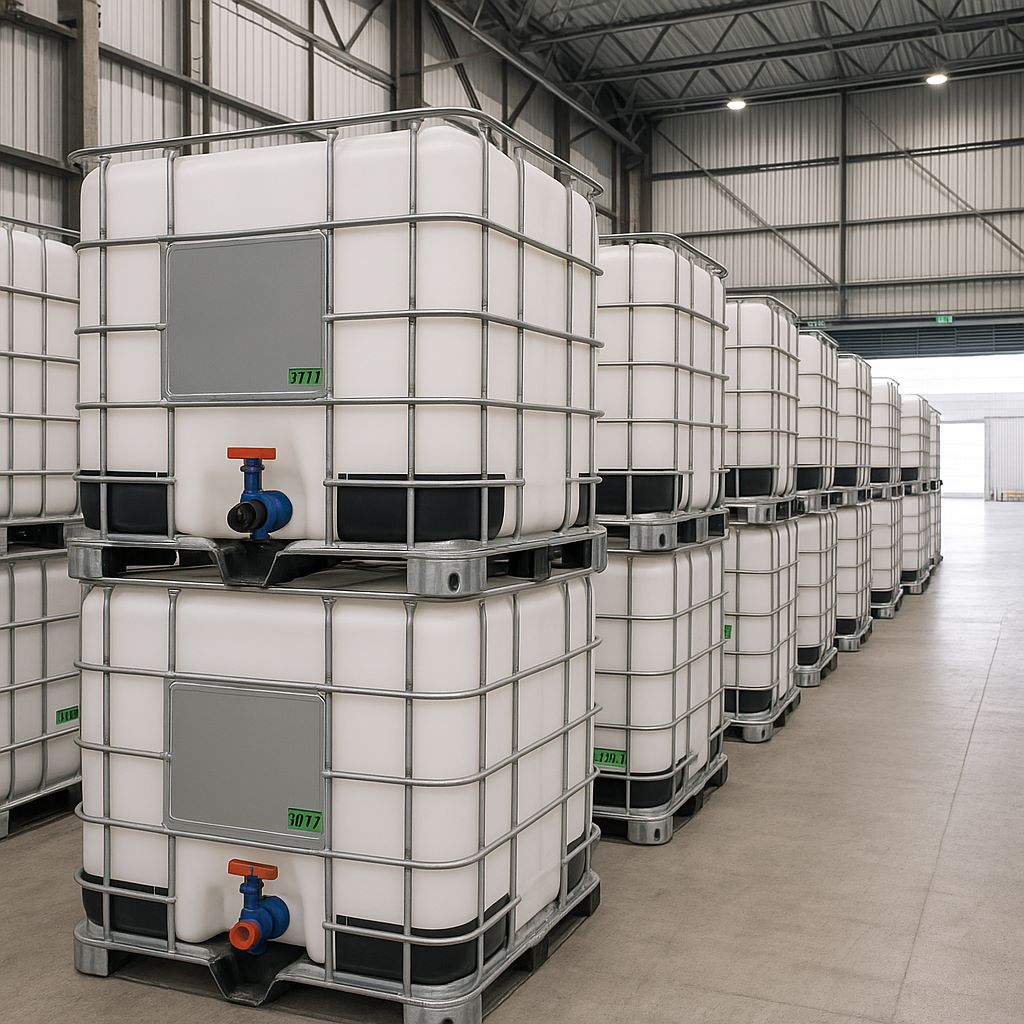
When it comes to handling bulk liquids—whether it’s chemicals, agricultural solutions, or food-grade products—cutting corners in storage isn’t just a minor misstep; it’s a potential catastrophe. The pressure to reduce costs or expedite timelines can sometimes lead to compromised safety practices or inferior equipment choices. However, the long-term consequences of these shortcuts can be devastating, not only in terms of financial losses but also in environmental damage, legal liability, and human safety.
Why Proper Liquid Storage Matters
In industries such as mining, agriculture, winemaking, and chemical manufacturing, the handling and storage of bulk liquids is routine. But routine does not mean risk-free. Each liquid—whether corrosive, flammable, or seemingly harmless—requires specific handling, especially when it comes to the storage of flammable liquids, which pose unique fire and explosion risks. Choosing the right intermediate bulk container (IBC) and ensuring proper containment can significantly reduce the likelihood of spills, contamination, or system failure.
Improper storage can compromise product integrity, affect operational efficiency, and in some cases, lead to regulatory breaches. For hazardous substances, in particular, the consequences of poor storage can include fines, shutdowns, and long-term damage to the environment and brand reputation.
Common Shortcuts and Their Consequences
1. Using Substandard or Improper Containers
One of the most common cost-cutting measures is the use of containers not designed for the liquid being stored. Plastic IBCs, for instance, are suitable for many applications, but not all. Corrosive chemicals may require stainless steel IBCs with higher chemical resistance and durability.
Choosing the wrong container material can result in leaks, structural failure, or dangerous chemical reactions. Furthermore, improper containers may not be certified to meet regulatory standards, putting both safety and compliance at risk.
2. Skipping Regular Inspections and Maintenance
Regular inspection of IBCs and spill containment bunds is essential. Over time, even the best equipment can degrade—UV exposure, mechanical stress, and chemical corrosion all take their toll.
Failing to identify wear and tear early can lead to unexpected failures. This is especially dangerous when working with hazardous liquids that can pose immediate health and safety risks if released into the environment.
3. Inadequate Spill Containment
Regulations often require secondary containment systems—typically bunds—to catch any potential spills or leaks. However, some operators attempt to bypass this requirement or opt for undersized or poorly constructed bunds.
Without proper spill containment, even a minor leak can result in soil or water contamination, triggering clean-up costs, environmental fines, and operational downtime. These costs often far exceed the initial savings of cutting corners.
The Regulatory Angle
In Australia, liquid storage is governed by a range of environmental protection and workplace safety regulations. The use of certified containers, spill containment systems, and routine inspections is not just best practice—it’s often the law.
Non-compliance can result in significant penalties, not to mention damage to a company’s public image and client trust. For businesses operating in high-risk industries, regulatory scrutiny is constant, and there is little tolerance for negligence.
Real-World Consequences
Consider a case where a regional agricultural supplier opted for outdated plastic IBCs to store liquid fertiliser. A structural failure during a summer heatwave led to a spill that contaminated nearby groundwater, resulting in a government investigation and several months of halted operations.
Or take the example of a craft brewery that used a poorly constructed containment bund, leading to a beer spill that halted production and attracted negative media attention. While these incidents may seem rare, they are entirely preventable with the right storage systems in place.
Long-Term Benefits of Doing It Right
Investing in quality IBCs and bunds, performing regular maintenance, and ensuring regulatory compliance doesn’t just mitigate risks—it can actually improve operational efficiency. High-quality equipment reduces downtime, protects products from contamination, and extends the life of storage assets.
Additionally, companies that maintain high safety standards often benefit from better insurance terms, improved staff morale, and enhanced customer trust.
For those seeking a reliable partner in safe liquid storage solutions, Tank Management Australia provides a wide range of certified IBCs and bunds tailored to meet the demands of heavy-duty industries, ensuring safety without compromise.
No Shortcuts Worth Taking
In bulk liquid storage, there are no shortcuts worth taking. The risks of inadequate equipment, lax maintenance, or regulatory non-compliance far outweigh any upfront savings. Industries that rely on hazardous or sensitive liquids must prioritise proper storage solutions as a core part of their operational strategy.
By taking a long-term view and investing in high-quality containment systems, businesses can protect not only their products and staff but also their reputation and bottom line. In the end, safety and reliability are the true cost savers.
Enjoy Worthview?
Add Worthview as a Preferred Source on Google to see more of our stories in Search.

Worthview Editorial Team is the shared byline for content created collaboratively by Worthview’s editors and contributors. Since 2008, we’ve published thousands of articles across technology, AI, finance, health, home, travel, and lifestyle. Our editorial process emphasizes original research, reputable sources, regular content updates, and clear attribution. Articles covering higher-trust topics, including health and finance, may also undergo review by qualified subject-matter experts.