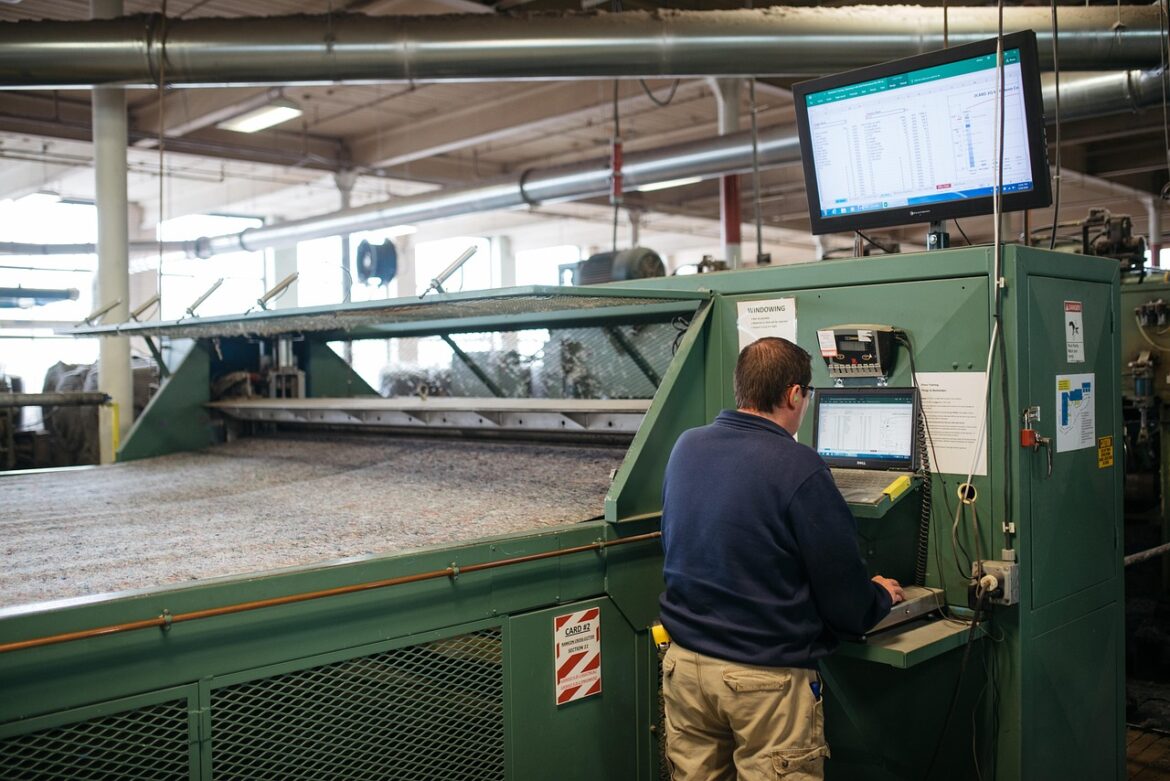
In today’s competitive manufacturing landscape, operational excellence is not merely an advantage—it’s a necessity for survival. At the heart of operational excellence lies the concept of Overall Equipment Effectiveness (OEE), a comprehensive metric that helps manufacturing professionals evaluate and improve production efficiency.
According to this detailed exploration on Global Reader’s website, manufacturers who focus on eliminating six specific types of losses can dramatically improve their production outcomes and bottom line.
Understanding Manufacturing’s Six Critical Efficiency Drains
Equipment Failures: The Unplanned Production Killers
When machinery unexpectedly stops functioning, production grinds to a halt. These unplanned breakdowns represent one of the most significant drains on manufacturing efficiency.
Impact:
- Disrupted production schedules
- Missed delivery deadlines
- Increased emergency maintenance costs
- Potential safety hazards
Strategic Solutions:
- Develop comprehensive preventive maintenance schedules
- Utilize condition monitoring technologies to detect potential failures early
- Create standardized troubleshooting protocols for common failure modes
Changeover and Setup Losses: The Hidden Time Thieves
The time required to transition between different products or adjust equipment settings often represents a substantial but overlooked efficiency loss.
Impact:
- Reduced daily production capacity
- Scheduling complications
- Inconsistent setup quality
Strategic Solutions:
- Implement SMED (Single-Minute Exchange of Dies) techniques
- Create visual work instructions for setup procedures
- Analyze and optimize changeover sequences
Small Stops: The Death by a Thousand Cuts
Brief, frequent interruptions like material jams, minor adjustments, or momentary equipment pauses might seem insignificant individually, but collectively they create major efficiency losses.
Impact:
- Accumulated production time loss
- Operator frustration
- Process flow disruption
Strategic Solutions:
- Train operators in quick-resolution techniques
- Implement autonomous maintenance for minor issues
- Document and analyze patterns of minor stops
Reduced Speed: The Creeping Capacity Drain
When equipment runs below its designed capacity—whether due to mechanical issues, operator decisions, or process limitations—production potential is quietly eroded.
Impact:
- Underutilized capital equipment
- Extended production schedules
- Higher per-unit costs
Strategic Solutions:
- Document standard operating speeds for all equipment
- Investigate root causes of chronic speed reductions
- Implement real-time speed monitoring systems
Process Defects: The Quality-Quantity Trade-off
Manufacturing defects that require rework or result in scrap represent dual losses: wasted materials and squandered production time.
Impact:
- Increased material costs
- Customer satisfaction issues
- Additional quality control requirements
Strategic Solutions:
- Implement error-proofing (poka-yoke) mechanisms
- Develop statistical process control procedures
- Create defect cataloging and analysis systems
Startup Losses: The Production Warm-up Period
Many manufacturing processes experience reduced yield during initial startup until optimal operating conditions stabilize.
Impact:
- Material waste during startup
- Inconsistent product quality
- Extended time to full production
Strategic Solutions:
- Optimize machine warm-up procedures
- Create detailed startup checklists
- Analyze and minimize material usage during startups
Implementing a Loss Reduction Strategy
The journey toward manufacturing excellence begins with accurate measurement. Modern manufacturing execution systems (MES) provide the data infrastructure needed to quantify these six losses and track improvement initiatives.
Successful manufacturers typically follow this implementation path:
- Establish current performance baselines for each loss category
- Prioritize improvement efforts based on potential impact
- Form cross-functional teams to address high-priority losses
- Implement targeted solutions and measure results
- Standardize successful approaches and continuously improve
The Competitive Advantage of Loss Elimination
Manufacturers who systematically address these six critical losses gain significant competitive advantages:
- Increased production capacity without additional capital investment
- Improved delivery performance and customer satisfaction
- Reduced operating costs and higher margins
- Enhanced workforce engagement through problem-solving involvement
- Greater operational agility and responsiveness
Conclusion
Manufacturing excellence doesn’t require revolutionary breakthroughs—it demands systematic identification and elimination of these six critical losses. By focusing improvement efforts on these specific areas, manufacturers can achieve remarkable gains in productivity, quality, and profitability.
For operations seeking to remain competitive in challenging market conditions, addressing these six losses represents the clearest path to manufacturing excellence.
Enjoy Worthview?
Add Worthview as a Preferred Source on Google to see more of our stories in Search.

Worthview Editorial Team is the shared byline for content created collaboratively by Worthview’s editors and contributors. Since 2008, we’ve published thousands of articles across technology, AI, finance, health, home, travel, and lifestyle. Our editorial process emphasizes original research, reputable sources, regular content updates, and clear attribution. Articles covering higher-trust topics, including health and finance, may also undergo review by qualified subject-matter experts.