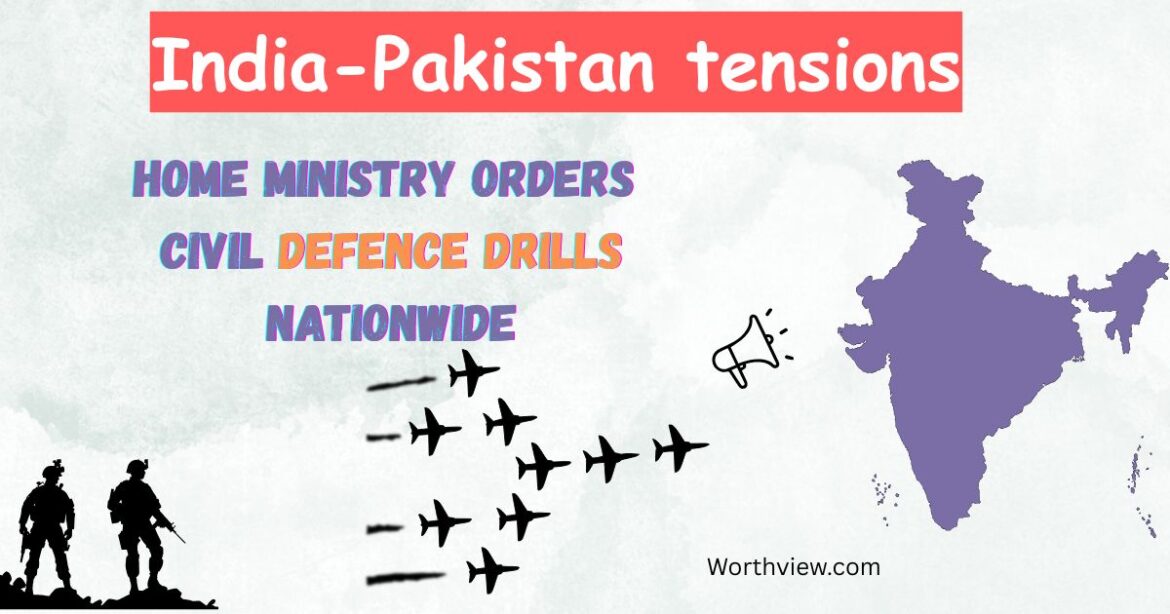
In the wake of rising tensions between India and Pakistan, the Ministry of Home Affairs (MHA) has taken a decisive step to bolster national preparedness. On May 7, 2025, states and union territories across India will conduct large-scale civil defence mock drills-an exercise not seen at this magnitude since the 1971 India-Pakistan war.
Why Now? The Context Behind the Drills
The directive comes on the heels of the tragic Pahalgam terror attack on April 22, which claimed 26 lives and reignited security concerns along the Indo-Pak border. With intelligence inputs suggesting heightened risks, the government is leaving no stone unturned in ensuring that both authorities and the public are ready to respond to any emergency.
What Will Happen During the Drills?
The MHA’s instructions are clear and comprehensive. Here’s what you can expect on May 7:
-
Air Raid Sirens: Warning sirens will sound across cities and towns, simulating the alert for aerial or missile attacks.
-
Civilian & Student Training: Ordinary citizens, including students, will participate in basic civil defence training-learning how to protect themselves in the event of hostile attacks.
-
Blackout Protocols: Cities will practice “crash blackouts,” switching off lights to minimize visibility to potential attackers, a tactic reminiscent of wartime protocols.
-
Camouflaging Vital Installations: Authorities will rehearse the camouflaging of critical infrastructure to protect them from potential strikes.
-
Evacuation Drills: Updated evacuation plans will be put to the test, ensuring that people can be moved quickly and safely if the need arises.
Who’s Involved?
The drills will span 244 officially designated Civil Defence districts, involving local government officials, Civil Defence wardens, Home Guards, National Cadet Corps (NCC), and National Service Scheme (NSS) volunteers. The scale is unprecedented in recent decades, reflecting the seriousness with which the government is treating the current security scenario.
Recent Precedents
Preparations are already underway. On May 4, Ferozepur Cantonment in Punjab conducted a preliminary blackout drill, cutting electricity for 30 minutes and sounding sirens to test readiness. Along the border, the BSF and Punjab Police have ramped up patrolling and set up additional checkpoints.
The Bigger Picture: Why These Drills Matter
Civil defence drills are more than just a formality-they save lives. By familiarizing people with emergency procedures, these exercises help minimize panic, ensure swift action, and ultimately protect communities in the face of real threats. In today’s climate, with tensions running high, such preparedness is not just prudent-it’s essential.
What Should You Do?
If you live in one of the affected districts, keep an eye out for official announcements and participate actively in the drills. Familiarize yourself with the nearest evacuation routes and pay attention to the instructions given during the exercise. Remember, your awareness and cooperation can make a critical difference.
Stay tuned for updates on the outcome of these drills and further developments in the region’s security situation. Preparedness is everyone’s responsibility-let’s do our part to stay safe and resilient.
Have thoughts or questions about the drills? Share them in the comments below!
Enjoy Worthview?
Add Worthview as a Preferred Source on Google to see more of our stories in Search.

Worthview Editorial Team is the shared byline for content created collaboratively by Worthview’s editors and contributors. Since 2008, we’ve published thousands of articles across technology, AI, finance, health, home, travel, and lifestyle. Our editorial process emphasizes original research, reputable sources, regular content updates, and clear attribution. Articles covering higher-trust topics, including health and finance, may also undergo review by qualified subject-matter experts.