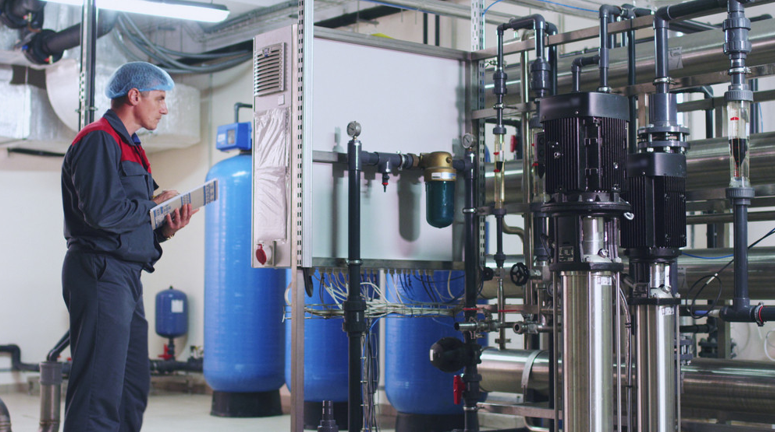
Explore the potential advantages your business could gain by implementing a commercial water purification system, an investment that not only enhances water quality but also supports sustainability and operational efficiency. Many businesses overlook the importance of clean water, yet it plays a pivotal role in maintaining health, safety, and product quality. By prioritizing water purity, a business can improve its reputation and attract environmentally conscious customers.
Why Should Businesses Consider a Commercial Water Purification System?
With 50% of those surveyed saying their tap water is unsafe to drink, businesses have a responsibility to ensure a clean water supply. Consumers are increasingly aware of the potential contaminants present in tap water, driving demand for businesses to adopt purification solutions. By addressing these concerns, a business not only safeguards its workforce and clients but also positions itself as a leader in promoting health and wellbeing.
Adopting a commercial water purification system can significantly enhance trust in your services or products. A business that takes proactive steps to ensure natural resources’ quality demonstrates commitment to high standards and public health. Subsequently, this builds stronger, trust-based relationships with clients and partners alike.
Moreover, businesses that implement water purification systems often find themselves ahead of regulatory requirements, which are increasingly focusing on water quality. Proactive measures prevent future costs associated with non-compliance and potential penalties. Additionally, such businesses often benefit from insurance incentives and reduced liability risks.
Economic Benefits of Installing a Water Purification System
Investing in a commercial water purification system can yield significant economic returns over time. A reduction in waterborne impurities can decrease maintenance and operational costs by preventing equipment corrosion and damage. Consequently, a business can benefit from reduced downtime and longer equipment life cycles, enhancing overall productivity.
Moreover, businesses can experience cost savings related to reduced reliance on bottled water. By purifying tap water, companies eliminate the continuous expense of purchasing bottled water for employees and visitors. Additionally, this reduction in plastic usage aligns with sustainability goals and decreases waste management expenses.
Economic benefits also extend to potential increases in product sales and quality. When water is a key ingredient or component of a product, its purity directly affects the final product’s quality. Thus, investing in water purification systems becomes a strategic choice that can enhance a business’s market competitiveness.
How a Water Purification System Improves Product Quality
According to Forbes, reverse osmosis works at the molecular level to eliminate up to 99% of common impurities and dangerous contaminants from water, such as chemicals, bacteria, metal, dirt, and other organic compounds. By ensuring water purity, a business can improve its product offerings significantly, particularly when water is integral to production processes. This level of quality control leads to better-performing products, greater customer satisfaction, and improved brand loyalty.
In industries like food and beverage, pharmaceuticals, and cosmetics, water quality can directly influence taste, efficacy, and safety. High-quality water ensures the safety and consistency of products, making a business more reliable in consumers’ eyes. Moreover, superior product quality often allows businesses to command higher prices, improving profit margins.
Furthermore, businesses with superior product offerings can leverage these as competitive advantages in marketing campaigns. Highlighting the use of purified water in production processes can entice quality-conscious customers, thus increasing sales. As product excellence becomes synonymous with the brand, businesses can achieve longer-term financial growth.
Environmental Advantages of a Water Purification System
A commercial water purification system’s ultrafiltration membrane removes sediment and particles as small as 0.015 microns while maintaining the minerals that have health benefits. This ensures water is not only clean but also beneficial to human health as it retains natural nutrients. Implementing such systems allows businesses to reduce their environmental footprint, as these systems are designed to be energy and resource-efficient.
Commercial water purification systems can significantly reduce a business’s reliance on single-use plastics. By reducing or eliminating the need for bottled water, companies contribute to decreased plastic pollution, aligning with global sustainability targets. Businesses that adopt these systems can proudly promote their commitment to environmental conservation, attracting eco-conscious consumers and business partners.
Additionally, businesses gain from the resulting reduction in energy consumption and carbon emissions. Water purification processes like reverse osmosis and ultrafiltration are generally more energy-efficient than manufacturing, transporting, and disposing of bottled water. Such eco-friendly practices contribute positively to a business’s overall sustainability report, which is becoming an essential aspect of corporate social responsibility strategies.
What to Consider When Choosing a Water Purification System
When selecting a water purification system, businesses must first assess their specific water quality needs and usage levels. This includes examining local water quality reports to identify the specific contaminants that need addressing. Understanding these factors will help tailor a solution that best meets the unique requirements of the business.
It is also crucial to evaluate the technology and filtration methods the system uses, ensuring they effectively address present water quality challenges. Technologies like reverse osmosis, ultrafiltration, and UV systems each offer unique benefits and should be matched with the business’s priorities and constraints. Seeking recommendations or consultations from industry experts can provide invaluable insights into the best solution.
Finally, businesses should consider the long-term operational and maintenance costs associated with their chosen purification system. Opt for systems with proven durability and low maintenance needs to ensure they remain economically viable over time. Ensuring warranty support and availability of spare parts and service guarantees further mitigates potential operational disruptions.
Implementing a commercial water purification system offers numerous benefits that span economic, environmental, and product quality aspects, making it a strategic investment for any business looking to enhance its operations. Emphasizing clean water as a core component of business leads to enhanced brand image and customer satisfaction. Ultimately, this investment not only supports healthier communities but also sustains long-term business growth and resilience.
Enjoy Worthview?
Add Worthview as a Preferred Source on Google to see more of our stories in Search.

Worthview Editorial Team is the shared byline for content created collaboratively by Worthview’s editors and contributors. Since 2008, we’ve published thousands of articles across technology, AI, finance, health, home, travel, and lifestyle. Our editorial process emphasizes original research, reputable sources, regular content updates, and clear attribution. Articles covering higher-trust topics, including health and finance, may also undergo review by qualified subject-matter experts.