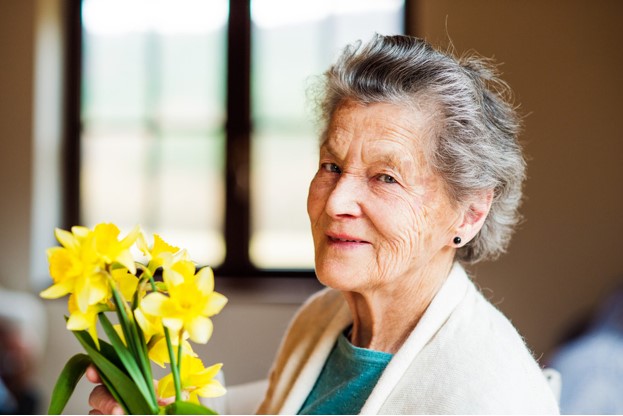
As we grow older, maintaining health becomes more important—not just to extend life, but to enhance the quality of our years. Aging brings increased risk of illness and injury, but with the right strategies in place, older adults can stay active, independent, and well. From preventive screenings to lifestyle adjustments, there are many ways to stay on track. Healthy aging is a proactive process, requiring attention to both physical and mental well-being consistently.
1. What are the Most Effective Ways to Prevent Illness in Older Adults?
1.1 Importance of Regular Health Screenings
Health screenings are essential for catching problems early, often before symptoms arise. This early detection can significantly improve treatment outcomes, especially for serious conditions. Each year in the U.S., over 1.8 million people are diagnosed with cancer, with more than 600,000 deaths reported, making early intervention critical. Regular check-ups also help track existing conditions and adjust treatments accordingly, keeping older adults one step ahead of potential health issues.
1.2 Importance of Vaccinations
Vaccines protect older adults from illnesses that can lead to severe complications. The influenza, shingles, and pneumococcal vaccines are particularly important for those over 65. These immunizations reduce the risk of hospitalization and long-term health issues that could otherwise be prevented with a simple shot. Staying current on vaccinations is an easy yet impactful way to build resistance against serious, sometimes life-threatening infections.
2. How Can Nutrition Impact Aging and Health?
2.1 Essential Nutrients for Older Adults
As the body ages, nutritional needs change. Older adults benefit greatly from calcium and vitamin D to strengthen bones, and omega-3 fatty acids to support heart and brain health. These nutrients play a role in preventing conditions like osteoporosis and cognitive decline, helping seniors maintain physical and mental function. A well-planned diet can also improve energy levels and digestive health, enhancing day-to-day comfort and activity.
2.2 Effect of Diet on Chronic Disease Prevention
Eating a well-balanced diet is a major defense against chronic disease. Whole foods rich in fiber, antioxidants, and lean proteins help regulate blood sugar and cholesterol levels. According to the CDC, 28.7 million Americans had diagnosed diabetes in 2019, much of which can be managed or prevented through healthy eating. Making conscious food choices can also support immune function and reduce inflammation throughout the body.
3. What Role Does Physical Activity Play in Preventing Injury?
3.1 Benefits of Regular Physical Exercise
Physical activity builds strength and improves balance—two key factors in preventing falls. This is critical given that about 36 million falls are reported among older adults each year, leading to more than 32,000 deaths, according to the CDC. Even light activity, such as walking or yoga, can lower fall risk and improve overall mobility. Regular movement also boosts circulation, joint flexibility, and even mood, making it a key part of overall wellness.
3.2 Tailoring Exercise Programs for Older Adults
Older adults should choose exercise programs suited to their abilities. Low-impact workouts that include stretching, light strength training, and balance exercises offer maximum benefits with minimal risk. Personalized programs not only minimize injury risk but also improve consistency and enjoyment of physical activity.
4. How Does Mental Health Influence Physical Well-being in Older Age?
4.1 Recognizing and Managing Mental Health Conditions
Mental health is deeply connected to physical health. Depression, anxiety, and loneliness can lead to fatigue, poor eating habits, and less physical activity. Addressing these conditions through counseling, support groups, or medication helps older adults stay engaged and active, both physically and emotionally.
4.2 Social Connections and Cognitive Health
Staying socially and mentally engaged reduces the risk of cognitive decline. Activities like puzzles, reading, volunteering, or simply spending time with loved ones help preserve memory and mental agility. These connections also combat isolation, which has been linked to poorer physical health outcomes in older populations.
Healthy aging is about more than avoiding illness. Regular screenings, proper nutrition, physical activity, and mental health care all play a role in preventing illness and injury. With thoughtful attention to these areas, older adults can continue leading fulfilling lives well into their later years. Prevention, after all, is one of the most powerful tools for enjoying a longer, happier life.
Enjoy Worthview?
Add Worthview as a Preferred Source on Google to see more of our stories in Search.

Worthview Editorial Team is the shared byline for content created collaboratively by Worthview’s editors and contributors. Since 2008, we’ve published thousands of articles across technology, AI, finance, health, home, travel, and lifestyle. Our editorial process emphasizes original research, reputable sources, regular content updates, and clear attribution. Articles covering higher-trust topics, including health and finance, may also undergo review by qualified subject-matter experts.