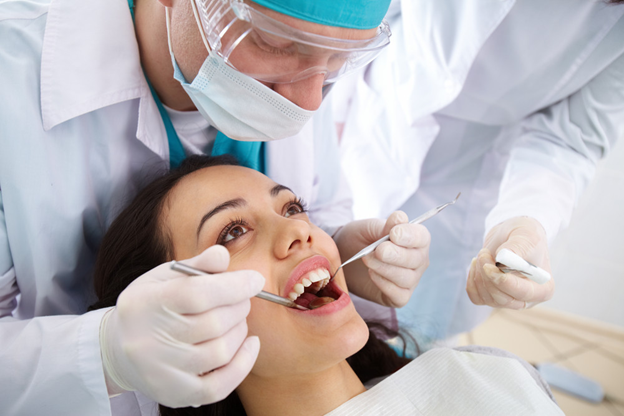
Maintaining dental health is crucial for overall health and well-being. Regular dental cleanings twice a year can help prevent a multitude of issues, ensuring not only the health of your teeth but also your entire body. Despite the busy nature of life, biannual dental check-ups should be a priority for everyone.
The Prevalence of Gum Disease
Adults over 35 lose more teeth to gum disease, known as periodontal disease, than from cavities. Gum disease is a silent but persistent condition that affects the soft tissue and bone supporting the teeth and can result in tooth loss if not addressed promptly. Regular dental cleanings can help detect early signs of gum disease and prevent its progression.
Periodontal disease results from the accumulation of plaque, a sticky film of bacteria that forms on teeth. Professional dental cleanings remove this plaque, reducing the risk of severe gum disease. Regular dental visits enable dentists to monitor gum health and provide necessary interventions before problems escalate.
Furthermore, by catching gum disease early, patients can avoid more extensive and costly treatments. Early detection and management of gum problems not only preserve your teeth but can also prevent systemic health issues linked to gum disease. It is a proactive approach to ensuring your overall health remains optimal.
The Impact on Workplace Productivity
According to Gitnux, more than 40 million hours of work are lost each year due to dental-related illnesses in the United States. This staggering figure underscores the importance of maintaining dental health. Routine cleanings can prevent these illnesses, significantly reducing absenteeism and enhancing productivity.
Frequently missed work due to dental issues affects not only individuals but also impacts businesses at large. By prioritizing dental health through regular cleanings, employees can minimize dental emergencies and maintain consistent attendance at work. This proactive healthcare approach can lead to substantial savings for the economy and better performance at work for individuals.
The repercussions of poor dental health extend beyond work absences. Pain and discomfort from untreated dental issues can lead to decreased focus and efficiency on the job. Thus, biannual dental cleanings play a critical role in preserving productivity and maintaining a healthier workforce.
Early Detection of Oral and Systemic Health Issues
Dental health is interconnected with overall body health, making regular dental checkups vital for early detection of systemic diseases. Dentists often detect indicators of serious health conditions, such as diabetes or heart disease, during routine exams. This makes regular dental visits not just about the teeth, but an integral part of health care.
For instance, issues such as inflammation in the gums might be linked to inflammation-related conditions like cardiovascular disease. By diagnosing and managing such conditions early, dentists contribute significantly to improving patients’ broader health outcomes. Regular dental cleanings and checkups enable this crucial early detection.
Therefore, seeing your dentist twice a year isn’t merely about maintaining a bright smile. It is a strategic measure to safeguard your health and potentially uncover health issues that could otherwise go unnoticed. This preventive care approach serves as a cornerstone of holistic health management.
Prevention of Developmental Issues in Newborns
Even young children benefit from regular dental checkups, which can identify issues early, such as tongue tie. According to Cleveland Clinic, tongue tie occurs in up to 10% of newborns, and if left untreated, it can impact feeding and speech development. Early detection and intervention can prevent these developmental issues.
By understanding the potential implications of oral health problems in newborns, parents can take proactive steps to address them. A biannual visit to the dentist can ensure that such conditions are monitored and managed effectively from a young age. This sets the foundation for a lifetime of good oral health and prevents more serious issues as the child grows.
Dental professionals are trained to identify and treat a wide range of oral health concerns, making their guidance invaluable. By prioritizing your child’s dental health early on, you align with a preventive approach that’s beneficial for long-term health. Establishing these habits during childhood supports good oral hygiene throughout life.
In conclusion, biannual dental cleanings are essential for maintaining optimal dental and overall health. They play a crucial role in preventing gum diseases, minimizing work-related productivity losses, detecting systemic health issues early, and safeguarding the health of newborns. By prioritizing these routine checkups, individuals can enjoy better dental health and a higher quality of life.
Enjoy Worthview?
Add Worthview as a Preferred Source on Google to see more of our stories in Search.

Worthview Editorial Team is the shared byline for content created collaboratively by Worthview’s editors and contributors. Since 2008, we’ve published thousands of articles across technology, AI, finance, health, home, travel, and lifestyle. Our editorial process emphasizes original research, reputable sources, regular content updates, and clear attribution. Articles covering higher-trust topics, including health and finance, may also undergo review by qualified subject-matter experts.