Walk into any well-thought-out living room today, and your eyes won’t just land on color or shape—they’ll pause on texture. The tactile nature of a sofa is more important now than ever. Bouclé velvet softness, rough linen rawness, corduroy ridges, woven woolude—each speaks a language, tells a story. With homes now evolving from sleek showrooms to personality-spun havens, texture has emerged as the unsung hero of furniture design. Folks desire not just comfort, but sofas that look and feel as wonderful as they do, and that make a statement about who they are.
This is particularly evident in showrooms that serve changing tastes, such as a premium sofa store in Kolkata, where consumers now lean toward textured fabrics over flat finishes. Smooth leather and plain cotton blends are no longer the default. Touch, it appears, is no longer an afterthought. It’s the headline.
Texture Is an Emotion, Not a Fabric
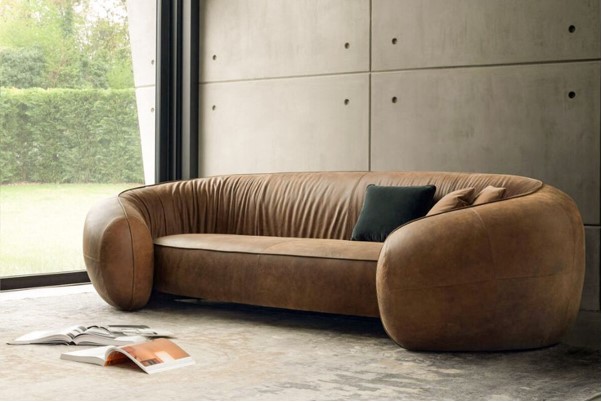
Let’s dissect. Textured furniture isn’t merely a trend ripped from the pages of design magazines – it’s psychology. Soft, nubby, ridged, or ribbed textures elicit an emotional response. They warm us, ground us, and even make us feel nostalgic. These textures add depth and visual energy to a room that plain weaves or synthetic blends simply can’t deliver.
In rooms with a subdued color scheme or spare furnishings, a textured sofa is the stabilizer. Bouclé, for instance, can transform a blank silhouette into one that makes a statement. Velvet, with its high pile, dances with light and introduces drama. Even linen, with its inherent creases and slubs, is a testament to lived-in character. That tactile aspect takes the everyday sofa from mere furniture to an experience.
Why People Are Finished With Glossy and Flat
It isn’t that smooth fabrics are becoming extinct. But they’re losing their dominance. A velvet sofa doesn’t merely have a different appearance – it beckons to be touched. It makes it more interesting. Texture covers wear more evenly, also, which is a utilitarian advantage in busy homes or rooms with pets and children.
Textured furniture also looks great in photographs. With more lighting and photography triggering design choices than ever, homeowners and designers desire furniture that pops online. A tweed or chenille sofa catches the eye in all the best ways. It’s no surprise these fabrics are rising up the design ranks.
Soft Power: Texture and Comfort
Comfort reigns supreme. But what comfort means to us has evolved. It’s not solely about seat depth or firmness of cushions anymore. Texture is also in the comfort mix now. A sofa that encourages you to trace the armrest with your hand, that’s warm in winter and snuggly on a nap day – that’s a success.
Bouclé blew up in popularity for precisely this reason. It’s soft, welcoming, and ageless. Leather might be cold or sticky to the touch, but tactile upholstery is always the same. It’s furniture that doesn’t just hold your body up, it reacts to it.
A Natural Shift Towards Raw and Organic
Designers are gravitating toward textures that have a handmade, imperfect, natural quality. Raw cotton, jute blends, and wool with apparent weave designs come to mind. These have a calming effect and convey authenticity, echoing the larger lifestyle movement toward organic living and slow design.
Earth tones and neutral colors are the perfect setting for this trend. Textured textiles in off-white, terracotta, ochre, and stone gray allow the material to shine. The coarser the loop or weave, the more earthy the sofa looks. That’s why they look so perfect in modern rustic, Japandi, and boho settings.
How Texture Reinvigorates Past Styles
A linen-upholstered traditional Chesterfield transforms the mood of the piece altogether. A mid-century modern shape swathed in ribbed velvet instantly becomes up-to-date. Texture can reinvigorate existing styles without redefining the entire design vocabulary.
Even antique items are being updated with tactile textures. Upholsterers are reviving aged frames with boucle and slub weaves, showing the world that this isn’t so much about new furniture as it’s about renewing what already exists.
Blending Textures for Layered Living
One textured item will do, but combining textures gives a room real depth. A chunky wool couch sits beside a glass coffee table. A soft velvet couch balanced by a raw wood accent chair. These are contrasts that create balance. It’s the same reasoning to put denim and silk together – one moderates the other.
The secret is restraint. Too many textures in one room can weigh heavily. The trick is to anchor the space with one hero piece – a tactile sofa – and allow other materials to come in for backup. It’s not cluttering, it’s layering.
Final Word
Textured furniture isn’t a trend – it’s a change in the way we interact with our environments. It’s an appeal to emotion, comfort, and fashion simultaneously. From the soft loop of a bouclé to the subtle weave of linen, texture encourages us not only to see but to touch.
For those who are ready to trade sterile surfaces for something with warmth and personality, the movement toward tactile furniture is already underway.
Enjoy Worthview?
Add Worthview as a Preferred Source on Google to see more of our stories in Search.

Worthview Editorial Team is the shared byline for content created collaboratively by Worthview’s editors and contributors. Since 2008, we’ve published thousands of articles across technology, AI, finance, health, home, travel, and lifestyle. Our editorial process emphasizes original research, reputable sources, regular content updates, and clear attribution. Articles covering higher-trust topics, including health and finance, may also undergo review by qualified subject-matter experts.