Purchasing a home is the largest investment you will ever make—yet latent defects in a property can soon turn your dream house into a nightmare of unexpected expenses. Leaky roofs, shoddy wiring, and plumbing issues are not always visible during a property walkthrough, and can only be uncovered after you’ve already settled in. That’s why it’s crucial to conduct both pre- and post-purchase checks to ensure your new home is in good condition.
Being proactive can save you thousands in emergency repairs, help you secure better deals, and allow you to plan upgrades well in advance. Whether you are buying a home for the first time or not, knowing what to check before you buy can save you from costly surprises later. Problems will eventually surface, so it’s best to detect them early.
Before You Buy: Get a Pre-Purchase Building Inspection
When buying a property, it’s often not what it seems on the surface. Beneath that fresh coat of paint or staged furnishings may be expensive hidden problems—structural errors, a leaking roof, poor plumbing, or even pests. These issues could turn your dream home into a financial burden unless addressed early.
The Importance of Pre-Purchase Inspection
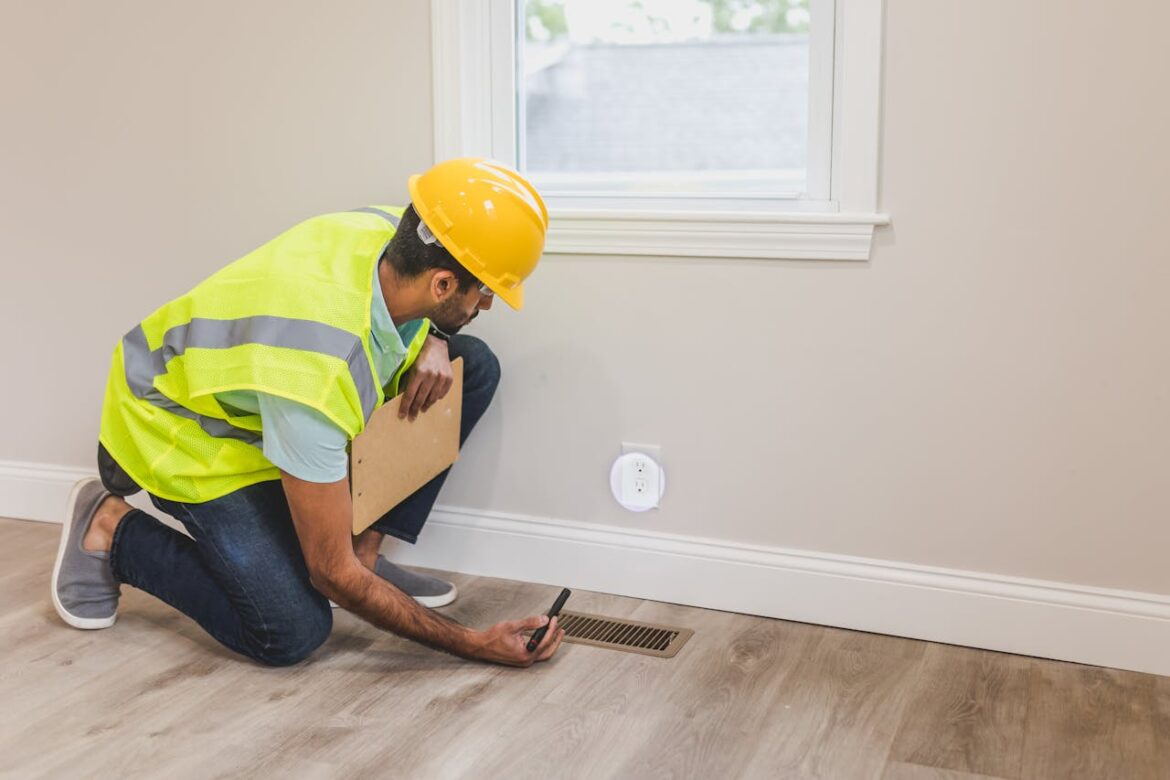
A pre-purchase building inspection is the first line of defence. This inspection, carried out by experienced professionals, checks the condition of the property, both indoors and outdoors, from the roof to the foundation. It uncovers current issues and may warn you about potential future risks, giving you all the information you need before you sign the deal. This is especially important in older homes or those located in flood-prone or pest-prone zones.
Save Thousands in the Long Term
Without a proper pest assessment, you might inadvertently purchase a home that requires costly repairs. Engaging pest control experts before buying gives you a clear picture of the property’s true condition and strengthens your negotiating power if hidden infestations or related defects are discovered. For instance, identifying termite damage, pest issues, or vulnerabilities early could enable you to negotiate a price reduction, request remediation before moving in, or even reconsider the purchase if problems are severe. Being proactive with pest control helps you avoid expensive surprises and ensures your new home remains safe and sound.
Collaborate with Reliable Professionals
To get reliable results, it’s important to work with trusted inspection services. They will provide detailed reports, complete with pictures and recommendations, ensuring that your purchase is based on facts, not emotions. A few hundred dollars spent on an inspection now could save you thousands in repairs later.
Check the Plumbing: Leaks Can Drain Your Wallet
You may not realise you have a plumbing issue until it’s too late, and by then, you could be facing significant repair costs. Undetected leaks, damaged pipes, and low water pressure can lead to structural damage, mould growth, and higher water bills. Plumbing checks are crucial before purchasing a property—and should also be a part of regular home maintenance.
The Importance of Plumbing Inspections
Plumbing issues can hide behind walls and under floors, even in newly built homes. A pre-purchase plumbing inspection can uncover leaking pipes, clogged drains, or old fixtures that would have otherwise gone unnoticed. Preventative plumbing maintenance helps identify small issues before they escalate into expensive repairs or health risks.
Red Flags to Look Out For
Signs of plumbing problems include slow drains, dirty walls, musty odours, or inconsistent water pressure. These could indicate larger issues that need to be addressed by a professional. If you notice any of these, searching for plumber near me can help you solve minor issues before they turn into major, costly problems. Taking action early can save you thousands on repairs and water damage restoration.
Collaborate with Trusted Professionals
Whether you’re buying a new house or maintaining your current one, it’s wise to invest in a professional plumber. They can provide diagnostics, perform repairs, and suggest ways to improve your plumbing system. Minor leaks should not be ignored—taking preemptive action can save you a lot of hassle later.
Don’t Forget Electrical Safety
Electrical issues are a major cause of house fires, and they can often be hidden behind walls, easily overlooked. Regardless of whether you’re buying a new home or living in an older property, electrical safety should be a top priority. Outdated wiring, overloaded switchboards, or faulty safety switches can not only expose your family to danger but may also fail compliance checks at the point of sale or rental inspection.
Pre- and Post-Purchase Electrical Inspections
Before buying, make sure to get a professional electrical inspection to check the condition of the wiring, outlets, and switchboards in the house. Many older homes have outdated electrical systems that struggle to meet modern energy demands. Once you move in, regular evaluations will help identify wear and tear early, preventing breakdowns and ensuring that your home complies with current safety codes.
Warning Signs of Electrical Problems
Flickering lights, tripping breakers, hot switch plates, or buzzing outlets are red flags that should never be ignored. If you notice these signs, have a licensed electrician test your wiring, switchboards, and safety switches to ensure your home is safe and up to code. This is particularly important if you plan to renovate or install appliances that require more power.
Pest Control: An Unseen Expense
Pests may be small, but the damage they cause can be significant. Termites can silently destroy wood structures, while rodents and cockroaches pose health risks by spreading diseases and contaminating food. Often, pest infestations go unnoticed until the damage is obvious, and by then, the cost of repairs can be high. A pre-purchase pest inspection, as well as ongoing pest control, is essential for any homeowner.
The Necessity of Pest Inspections
You don’t want to move into a property only to discover pest problems after you’ve settled in. Pest inspections help identify any current or past infestations, allowing you to negotiate repairs or treatments before finalising the deal. Regular pest control also prevents infestations from taking hold after you’ve moved in.
Red Flags of Common Pests
Watch for signs such as droppings, wood dust, strange noises from timber, or even empty nests. These can indicate a more serious infestation behind the scenes. Investing in regular pest control will safeguard your property and family against unnoticed pests, helping you avoid costly repairs and damage later.
Collaborate with Reliable Experts
Don’t wait until pests become obvious. Contact pest control professionals who provide end-to-end services, from inspection to treatment. Regular pest management helps keep your house pest-free, structurally sound, and safe for everyone who lives there. Prevention is far less expensive and more effective than dealing with infestations later.
Inspect and Maintain Your Roof
The roof is your home’s first line of defence against the elements, yet it’s often the most neglected part of a property. Weather exposure, loose tiles, rusted flashings, and blocked gutters can cause leaks, which lead to damage to ceilings, walls, insulation, and even electrical wiring. Small issues on the roof can often remain hidden until they become big, expensive problems.
The Importance of Roof Inspections
You may not be able to see damage on the roof, which is why regular professional roof inspections are essential. A pre-purchase roof check helps assess the property’s condition, and annual inspections help prevent damage before it leads to costly repairs. A little attention today can save you thousands in repairs down the line.
Be Prepared for Weather Damage
Roofs are put to the test by heavy rain, strong winds, and storms. If you live in an area with extreme weather, it’s a good idea to schedule a roof repair inspection after any major weather event. This ensures your roof remains weatherproof, particularly if the property is older or hasn’t been well-maintained.
Conclusion
While conducting due diligence before and after purchasing a home may seem like an effort, it’s well worth it. Identifying potential problems early can save you money and prevent future headaches.
Enjoy Worthview?
Add Worthview as a Preferred Source on Google to see more of our stories in Search.

Worthview Editorial Team is the shared byline for content created collaboratively by Worthview’s editors and contributors. Since 2008, we’ve published thousands of articles across technology, AI, finance, health, home, travel, and lifestyle. Our editorial process emphasizes original research, reputable sources, regular content updates, and clear attribution. Articles covering higher-trust topics, including health and finance, may also undergo review by qualified subject-matter experts.