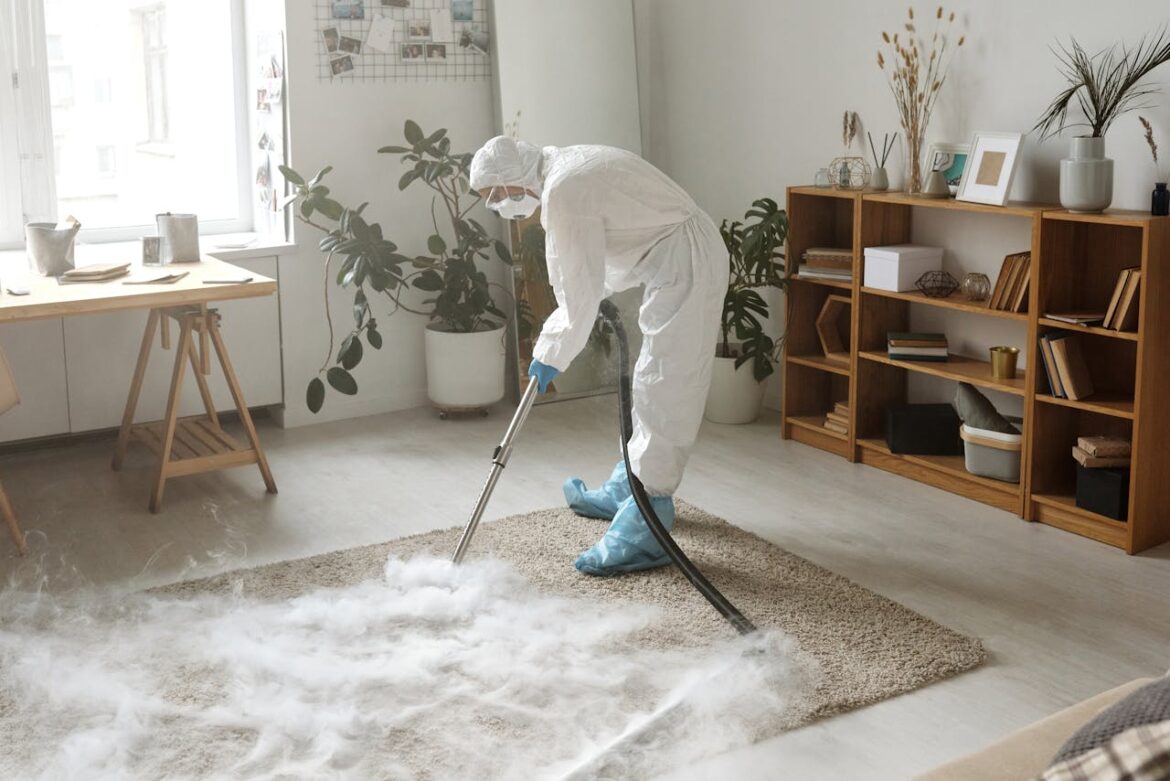
Beyond the Surface: Clean Carpets, Safer Spaces
Cleanliness in healthcare is never just about aesthetics—it’s about safety, trust, and protection. While sterilised instruments and hand hygiene often take centre stage in infection prevention, there’s a silent player in the background that deserves just as much attention: carpeted flooring. Often found in waiting rooms, administrative offices, and counselling areas, carpets can quietly collect contaminants deep within their fibres—making them a hidden risk if not properly maintained.
Why Carpets Deserve Special Consideration in Healthcare Settings
Carpeting still has its place in clinics and hospitals. It dampens noise, provides comfort underfoot, and helps prevent slips in lower-risk zones. But with those benefits come drawbacks. Carpets readily absorb spills, trap airborne particles, and hold onto everything from allergens to microbes tracked in by shoes and bags.
Regular vacuuming might lift surface debris, but it doesn’t reach the biological material that settles deeper. Without professional intervention, carpets can become a breeding ground for bacteria, viruses, mould, and other irritants—especially dangerous in facilities where vulnerable patients are present.
Pathogens Don’t Just Live on Surfaces—They Settle In
Microorganisms like MRSA, C. difficile, and norovirus can survive on carpet fibres far longer than many realise. Healthcare environments with high foot traffic or exposure to bodily fluids and food spills are particularly susceptible.
Australian Guidelines for the Prevention and Control of Infection in Healthcare stress the importance of environmental hygiene beyond just high-touch surfaces. Carpets, despite being underfoot, are part of the broader care environment and require just as much attention.
Professional carpet cleaning methods—such as hot water extraction or low-moisture encapsulation—penetrate deep into fibres, removing embedded pathogens. Many services also apply antimicrobial treatments approved for clinical use, adding another layer of protection.
A Safer, More Comfortable Environment for Everyone
Patients—especially the elderly, children, and those with weakened immune systems—are more vulnerable to environmental pollutants. Clean carpets contribute to a sense of wellbeing and trust. When a waiting room smells fresh and looks spotless, it offers silent reassurance that the facility is well-managed and attentive to detail.
Staff benefit too. Clean, allergen-free carpets can reduce absenteeism caused by respiratory irritants or illness, and reinforce the perception that their health is valued.
Don’t Wait for Stains—Plan Ahead
One of the most common missteps clinics make is waiting until carpets look dirty or smell off before calling in professional cleaners. By then, the damage is often done. Preventive maintenance is the smarter, safer route.
High-traffic areas like entryways and waiting rooms may require monthly or quarterly cleaning. Quieter offices or administrative spaces might only need a professional clean twice a year. Establishing a regular schedule with a reliable provider removes the guesswork and helps maintain consistent hygiene standards.
It’s Not Just Equipment—It’s the Know-How That Counts
Healthcare facilities require more than just a basic clean—they need a service that understands the unique protocols of clinical environments. That includes using hospital-grade disinfectants, handling wastewater safely, and preventing cross-contamination between zones.
Reputable Newcastle, NSW Carpet Cleaning providers with experience in medical facilities will bring both the right tools and the right procedures. Commercial-grade machines, trained technicians, and compliance with infection control guidelines ensure the job is done thoroughly and safely.
Meeting Standards and Supporting Accreditation
Carpet maintenance isn’t just good practice—it’s often a compliance requirement. Organisations like the Australian Council on Healthcare Standards (ACHS) and the National Safety and Quality Health Service (NSQHS) expect healthcare environments to uphold rigorous hygiene standards.
Partnering with certified providers who can document cleaning schedules and use TGA-approved products makes audit time much smoother—and helps prevent costly oversights.
The Real Cost of Skipping Professional Cleaning
Delaying professional cleaning might save a few dollars short-term, but the risks are significant. Dirty carpets can contribute to illness outbreaks, increase staff sick days, and even tarnish a facility’s reputation. Worse, replacing worn-out or contaminated carpeting prematurely can be far more expensive than regular maintenance.
Routine cleaning is a small investment with major returns—for health, for compliance, and for peace of mind.
Final Word: A Quiet but Crucial Line of Defence
Carpets don’t beep, flash, or get scrubbed between patients, so they’re easy to overlook. But they’re just as much a part of the infection control ecosystem as gloves and sanitiser. By making professional carpet cleaning part of your ongoing maintenance plan, your facility can uphold the highest standards of care—right down to the floor.
Enjoy Worthview?
Add Worthview as a Preferred Source on Google to see more of our stories in Search.

Worthview Editorial Team is the shared byline for content created collaboratively by Worthview’s editors and contributors. Since 2008, we’ve published thousands of articles across technology, AI, finance, health, home, travel, and lifestyle. Our editorial process emphasizes original research, reputable sources, regular content updates, and clear attribution. Articles covering higher-trust topics, including health and finance, may also undergo review by qualified subject-matter experts.