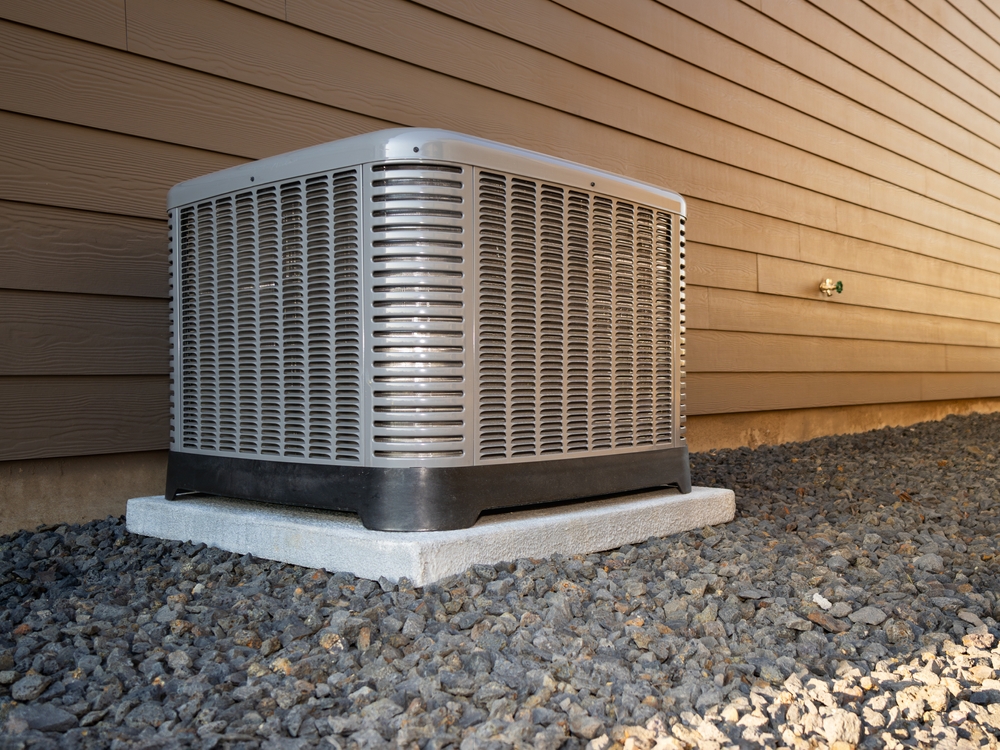
Your air conditioning (AC) system’s SEER rating may be holding you back from experiencing cooling bliss. Most homeowners rarely ever think about this number until the energy bill spikes or when they are in the market for a new AC installation in Stow, OH.
Understanding SEER ratings could save you hundreds every year and help you make smarter HVAC decisions.
What do SEER ratings mean?
SEER stands for Seasonal Energy Efficiency Ratio. It is the measure of how efficiently your air conditioner cools spaces over a season, not just a single day. The easiest way to remember what SEER ratings mean is that the higher the rating is, the unit uses less energy to provide the same comfort.
Why are SEER ratings important?
As discussed earlier, the higher your AC’s SEER rating, the less it costs to run. When you buy a high-SEER system, it also runs more quietly and keeps your home more consistently cool. This means you get a balance of comfort, cost, and control.
“Think of SEER like miles per gallon but specifically for air conditioners,” says an HVAC technician pro. “The higher it is, the farther your energy dollars go.”
Upfront Cost vs. Long-Term Savings
Not all SEER-rated systems are priced the same. Higher SEER units typically cost more upfront but can offer big savings in the long run.
For example, a SEER 14 unit costs can be purchased for a low price but offers only average to middling efficiency. SEER 18 units, meanwhile, cost more, but boast significant energy savings over 10+ years. Lastly, systems with SEER 21+ ratings are premium models that offer quiet, eco-friendly performance.
If you plan to stay in your home for 5 years or more, investing in a higher SEER unit may pay off.
When a High SEER Isn’t the Best Option
More isn’t always better when it comes to SEER ratings. A higher rating doesn’t always guarantee better performance. This is especially true if your home’s insulation, ducts, or thermostat settings are in poor condition. Efficiency depends on the whole system working together.
Ask yourself:
- Do you plan to move soon?
- Is your ductwork in good shape?
- Will your budget allow for long-term returns?
Climate Matters
SEER ratings are based on average seasonal temperatures, so the performance you feel in real time may differ depending on your local climate. In hot, dry areas, higher SEER systems can make a huge difference. But in milder zones, the gains might be minimal.
Ohio residents may benefit from a SEER 14–18 system because of the humid summers the state experiences.
Signs It’s Time to Replace Your Current AC
An older air conditioner doesn’t just lose efficiency—it can actively waste energy. If your home is never quite cool enough or your energy bill keeps growing, it’s worth evaluating the system.
Common red flags:
- The unit is 10+ years old
- Frequent repairs or refrigerant leaks
- Inconsistent cooling or strange noises
“If your AC struggles to keep up, the SEER rating could be dragging it down,” says an HVAC technician. “Newer models run smoother and save more.”
Central vs. Ductless SEER Ratings
Central air conditioners and ductless mini-splits are both rated using SEER, but they serve different needs.
Comparison at a glance:
-
Central AC:
- SEER range: 13–21
- Best for whole-home cooling
- Relies on ductwork
-
Ductless systems:
- SEER range: 15–30+
- Ideal for single rooms or additions
- Higher efficiency with zoned control
Consider this: If you’re cooling just one part of your home, ductless units offer higher SEER options with less installation hassle.
Beyond SEER: What Else Affects Efficiency?
A good SEER rating isn’t magic. Your system still needs support to perform its best.
Key factors that influence performance:
- Insulation: Keeps cool air from escaping
- Ductwork: Must be sealed and clean
- Thermostat settings: Smart thermostats optimize cycles
- Regular maintenance: Dirty filters or coils drop efficiency fast
Be sure to schedule a full HVAC tune-up at least once a year to keep performance high.
How SEER Impacts the Environment
Besides reducing your electric bill, using energy-efficient systems can also reduce your carbon footprint. The reason why high-SEER systems have become part of sustainable homes is because of how they lower energy usage. Lower energy use means fewer greenhouse gas emissions from power plants.
Eco-friendly benefits:
- Reduced strain on energy grids
- Decreased household emissions
- Long-term energy savings
SEER ratings give you a picture of how AC systems work, their cost, and how comfortable your home can be. But a high number alone won’t solve everything. You still need good maintenance, smart system design, and expert advice.
If you’re unsure what SEER rating is right for your space or your budget, talk to a licensed HVAC professional who can help you choose a system that truly fits.
Enjoy Worthview?
Add Worthview as a Preferred Source on Google to see more of our stories in Search.

Worthview Editorial Team is the shared byline for content created collaboratively by Worthview’s editors and contributors. Since 2008, we’ve published thousands of articles across technology, AI, finance, health, home, travel, and lifestyle. Our editorial process emphasizes original research, reputable sources, regular content updates, and clear attribution. Articles covering higher-trust topics, including health and finance, may also undergo review by qualified subject-matter experts.