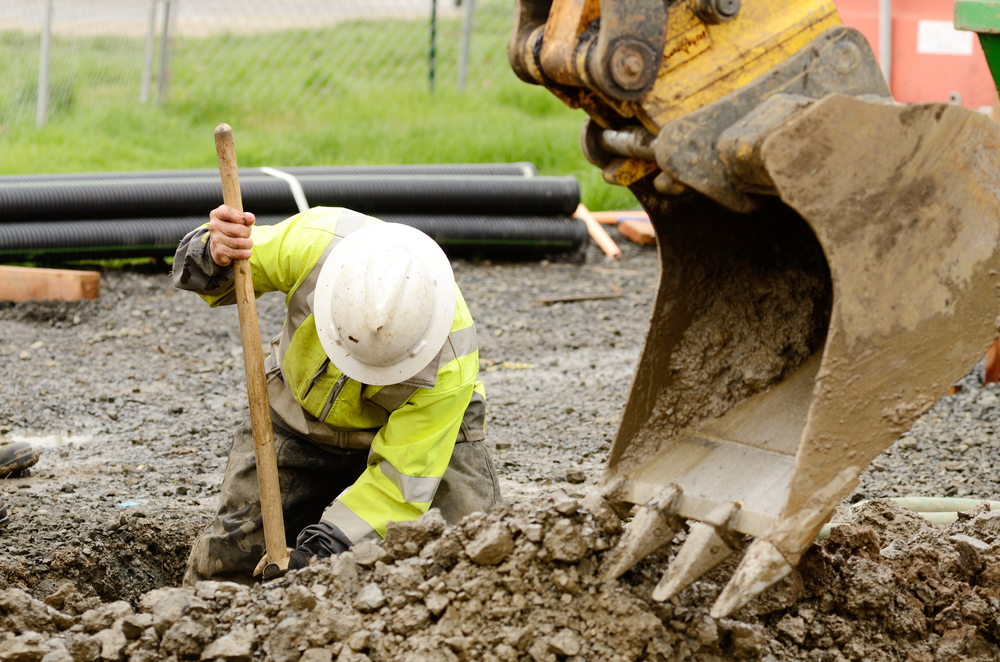
One wrong move during sewer line excavation can lead to property damage and endanger lives. That’s why this job should never be treated as a casual weekend project by any wise homeowner. Understanding the risks and why hiring excavation services in Scranton, PA, isn’t just responsible, it’s non-negotiable.
What Is Sewer Line Excavation and Why Is It Needed?
Sewer excavation involves digging into the ground to access, repair, or replace underground sewer pipes. It becomes necessary when trenchless methods aren’t suitable, like when the pipe is fully collapsed or severely offset. Although the process is intrusive, at times, it may be the only way to fully restore function.
“When the damage is too extensive for trenchless repairs, excavation is our safest route to a lasting fix,” explains an excavation foreman.
Know the Signs of Sewer Trouble Early
Catching sewer issues early can save you money from opting for excavation. Often, problems start small but worsen quickly if ignored.
Pay attention to:
- Persistent sewage backups in tubs or toilets
- Foul odors in or around your home
- Slow-draining sinks or gurgling sounds
- Wet patches in the yard even when it hasn’t rained
If these are all present on your property, call a licensed plumber before things worsen.
What to Expect During Excavation
Sewer excavation follows a clear, structured process to ensure safety and precision. Knowing the steps keeps homeowners prepared for what’s coming.
The typical steps:
- Assessment and diagnosis – A camera inspection determines the issue and exact pipe location.
- Permit and prep – Crews secure local permits and prep the site for safe access.
- Digging and repair – Excavators remove soil to reach the damaged line and make repairs.
- Backfilling and restoration – Once fixed, the trench is filled and the site restored as much as possible.
Safety Standards for Excavation: No Room for Error
Excavation entails deeping dig holes to access sewer lines. Risks of falling into the hole and materials falling on workers are high, which is why safety rules exist. The deeper the trench, the higher the risk, and every precaution matters.
Industry-standard safety practices include:
- Keeping excavated soil and tools at least 2 feet from the trench edge
- Testing the air in deeper trenches for oxygen deficiency and toxic gases
- Inspecting trench conditions daily and after any weather changes
- Providing workers with safe access points, like ladders within 25 feet
“We don’t start a dig unless we’ve double-checked every regulation,” says a local safety officer. “One shortcut can cost someone their life.”
What Are The Safety Rules for Trenching?
Trenching comes with its own set of risks. Trench walls can collapse without warning, especially in unstable or wet soil.
Critical trenching rules that experts follow include:
- Trenches deeper than 5 feet must have protective systems like shoring or trench boxes
- Never allow workers to enter an unprotected trench
- Trenches must be properly sloped or benched depending on soil type
- A competent person must inspect the trench daily
Keep the Work Zone Off-Limits
Excavation zones are dangerous even when machines aren’t running. Children, pets, and even curious neighbors should be kept well away from the area. Hazards like open trenches and heavy equipment can cause serious injury in seconds.
To secure the area, use caution tape and fencing to mark the perimeter. Posting warning signs that there is active danger also helps avert potential danger. Lastly, be sure to keep a clear path for emergency vehicle access.
Call Before You Dig: Locating Utilities
Do you know where your utility lines are located? Digging without knowing what’s underground is asking for disaster. Gas lines, water mains, and electrical cables might be closer than you think.
Before any excavation:
- Contact 811 (the national call-before-you-dig line)
- Have all utilities professionally marked and documented
- Delay digging until all confirmations are in place
“One call can prevent a gas explosion or electrical shock,” says a utility locator in Scranton, PA. “It’s free and it saves lives.”
Common Mistakes to Avoid
Skipping steps can lead to disaster, delays, or both. Whether it’s underestimating the project or hiring the cheapest contractor, these errors create more problems than they solve.
Avoid these pitfalls:
- Skipping utility markings
- Hiring unlicensed contractors
- Ignoring permitting requirements
- Underestimating safety gear or supervision
Smart planning is safer—and more cost-effective in the long run.
Sewer line excavation is no place for guesswork or shortcuts. The risks are too high and the consequences too severe. If something feels off with your sewer system, don’t wait. Contact a trusted excavation contractor that’s trained, equipped, and ready to dig the right way—safely.
Enjoy Worthview?
Add Worthview as a Preferred Source on Google to see more of our stories in Search.

Worthview Editorial Team is the shared byline for content created collaboratively by Worthview’s editors and contributors. Since 2008, we’ve published thousands of articles across technology, AI, finance, health, home, travel, and lifestyle. Our editorial process emphasizes original research, reputable sources, regular content updates, and clear attribution. Articles covering higher-trust topics, including health and finance, may also undergo review by qualified subject-matter experts.