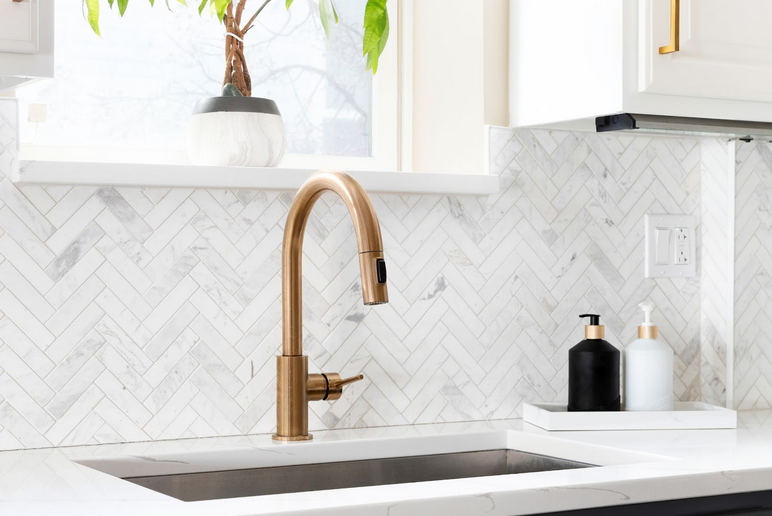
That slow, constant drip from the faucet could be costing you money. What should be viewed as a clear plumbing issue gives rise to the question: Should you have your faucet repaired or replaced?
Let’s walk through what to look for, how to evaluate your faucet’s condition, and when it makes more sense to upgrade, before you call a plumber in New Port Richey, FL.
Spotting Common Faucet Problems
Faucet problems tend to show up gradually. Low water flow, leaks at the base, or handle issues all point to faucet issues that can worsen when ignored.
Some of the most frequent faucet problems include dripping from the spout and base, low water flow caused by mineral buildup, loose or sticking handles, and sprayers that lose pressure or stop working.
To find out if your faucet is leaking, wipe the base of your faucet dry. If moisture returns quickly, you may have a hidden leak that requires plumbing repairs.
When a Simple Repair Is Enough
What issue you may be facing may not require a faucet replacement. If the fixture is still in good condition overall, and the problem is isolated to a washer, O-ring, or mineral buildup, a basic repair is often all that’s needed. These are quick fixes that can restore functionality without a full replacement.
A plumber notes, “We often see faucets that just need a $5 part and a quick adjustment. Check your faucets before committing to something more involved.”
Situations where repairs make sense:
- A relatively new faucet (under 10 years)
- Isolated leaks or drips from one part of the fixture
- Easily accessible replacement parts
- No signs of rust or deep corrosion
When It’s Smarter to Replace
Older faucets often start to show signs of wear at the 10 to 15-year mark, going beyond what repairs can fix. Corrosion, pitting, or repeated leaks mean that a faucet is nearing the end of its usable life. Constantly repairing the same faucet can quickly become more expensive than replacing it.
Consider replacement if you notice rust, cracking, or discolored metal. Frequent repairs with no lasting fix, parts that are hard to find or discontinued, and a desire to improve water efficiency should also make homeowners consider replacements.
The Impact of Hard Water in New Port Richey
Many homes in New Port Richey deal with hard water, which contains high levels of minerals like calcium and magnesium. These minerals collect inside faucets, damaging seals, restricting flow, and shortening the lifespan of your fixture.
Unsure if you are dealing with hard water? White and chalky buildup around the base of faucets, reduced flow rate, and short intervals between repairs are all classic indicators of using hard water.
If you’re replacing faucets more often than you think you should, it might be worth having your water tested or considering calling a plumbing company for water softener recommendations.
Living Near the Coast? Corrosion Happens Faster
Salt in the air devastates homes near the water, corroding metal faster than standard moisture alone. This is especially damaging to cheaper finishes.
To reduce the effects of salt air, always choose marine-grade or corrosion-resistant finishes.
- Choose marine-grade or corrosion-resistant finishes
- Avoid bargain fixtures made with low-quality metal
- Clean your faucet regularly to remove salt residue
A faucet that holds up inland may only last a few years on the coast.
What a Leak Is Actually Costing You
A minor steady drip from a kitchen or bathroom faucet can waste thousands of gallons of water annually. A slow leak that causes you to lose one drop of water per second can waste over 3,000 gallons. This adds up quickly, especially if you reside in areas with rising water rates.
Wasted water by the numbers:
- One faucet dripping once per second = 5 gallons/day
- 5 gallons/day × 365 = 1,825 gallons/year
- Two leaky faucets = over 3,600 gallons/year
In most cases, fixing or replacing a leaking faucet is cheaper than absorbing the added utility costs.
Faucet issues start small but can become costly or inconvenient if left alone. If you’re unsure about your faucet’s condition or you’re dealing with hard water or corrosion, it’s worth getting an expert opinion. An experienced plumber can help you make a cost-effective decision and ensure your faucet performs as it should.
Enjoy Worthview?
Add Worthview as a Preferred Source on Google to see more of our stories in Search.

Worthview Editorial Team is the shared byline for content created collaboratively by Worthview’s editors and contributors. Since 2008, we’ve published thousands of articles across technology, AI, finance, health, home, travel, and lifestyle. Our editorial process emphasizes original research, reputable sources, regular content updates, and clear attribution. Articles covering higher-trust topics, including health and finance, may also undergo review by qualified subject-matter experts.