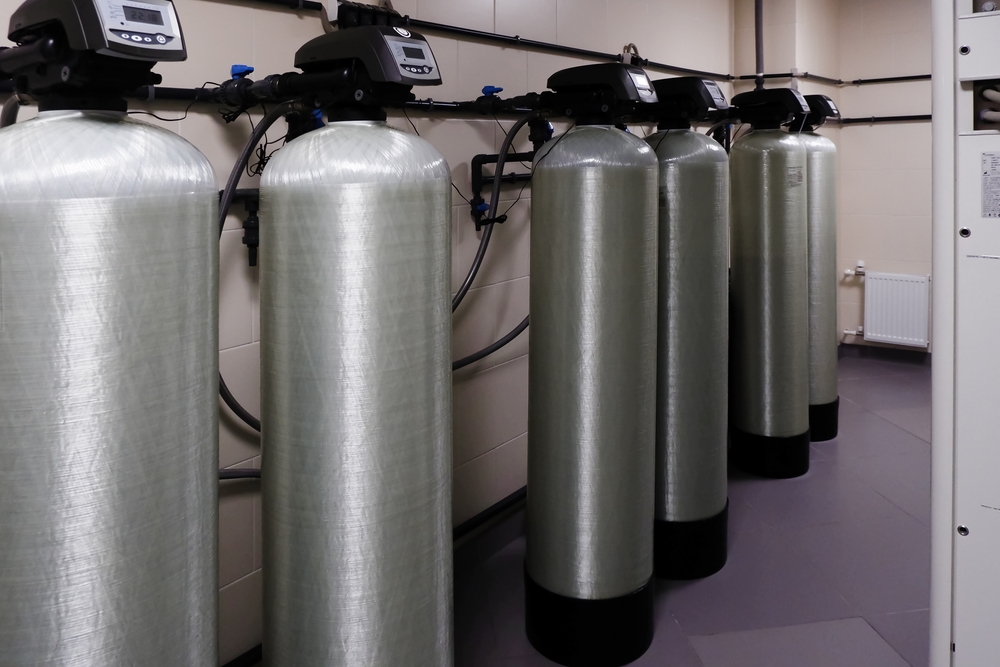
If you think that soft water is automatically pure, think again. Many homeowners believe that if their water feels smooth and doesn’t leave behind spots or residue, it must be fine for consumption.
However, soft water, while helpful for appliances and plumbing, doesn’t always mean safe water. Here, a technician from water treatment services in Chandler, AZ, shares why.
Soft Water Isn’t Always Clean Water
Water softeners remove minerals like calcium and magnesium. What they don’t do is eliminate chemicals, bacteria, or harmful contaminants. That means your water might still taste odd, or even carry substances that could affect your health.
To clear, a water softener does not remove chlorine, chloramine, bacteria, viruses, pesticides, herbicides, and industrial chemicals.
“Softened water protects your pipes, but don’t confuse it with purified water,” says a water filtration system installer. “You still need filtration for true water safety.”
Why Filtration Still Matters
Contaminants can linger in softened water. Water from municipal supplies contains chlorine, and well water might carry bacteria or sediment. Filtration systems help make your water not just soft, but clean and safe.
Activated carbon filters are great for improving taste and removing odor. UV filters are also popular options that can kill bacteria and viruses. If you want to keep your water clean of dirt or rust, sediment filters are a no-brainer.
Combining Softeners and Filters for Full Coverage
Using both a water softener and a filter system gives your home the best defense. The softener protects plumbing and appliances from scale, while the filter makes water healthier for drinking and cooking. Together, they create a balanced solution that targets both hard water and contamination.
Using both systems is beneficial, resulting in cleaner-tasting water and fewer plumbing problems. In addition, your appliances will also last longer when clean water is used.
Reverse Osmosis System for Maximum Purity
Reverse osmosis (RO) systems remove solids and heavy metals from water, taking filtration to the next level. Many homes now rely on and enjoy RO systems for purified drinking and cooking water.
RO is a smart addition because:
- It removes 95–99% of total dissolved solids (TDS)
- This system is great for families with young children or health concerns
- Works well in areas with high chlorine or fluoride levels
Understanding Hard Water and Why It Matters
Hard water is water loaded with minerals. These minerals leave behind residue, while also reducing soap’s effectiveness, leading to clogged appliances over time. If you see white spots on dishes or feel dry skin after showering, those are likely caused by hard water minerals.
Key symptoms of hard water:
- Chalky buildup on faucets
- Soap not lathering properly
- Clothes feeling stiff after washing
How Water Softeners Actually Work
Water softeners swap calcium and magnesium ions for sodium or potassium in a process known as ion exchange. This changes the texture of water and prevents scale buildup inside pipes and appliances. It’s a straightforward science with a big impact on your home’s water system.
Choosing the Right Water Filtration System
There is rarely a one-size-fits-all solution when it comes to water filters. Since different contaminants call for different methods, finding the right setup requires having a keen understanding of your water source, local conditions, and your personal needs.
Common filtration types:
- Carbon filters – Good for removing chlorine and improving taste
- Reverse osmosis – Ideal for removing multiple contaminants
- UV light – Targets bacteria and viruses
How Water Quality Affects Your Health
Some contaminants are invisible but dangerous. Prolonged exposure to chemicals like lead or pesticides in water can have serious health effects. Safe water is essential for cooking, drinking, and even bathing.
One health concern that arises due to poor water quality is skin irritation. The excess minerals or unsanitary elements in water can cause dermatitis and other health concerns. Long-term consumption of poor-quality water can also cause gastrointestinal issues.
- Skin irritation
- Gastrointestinal issues
- Long-term organ damage from chemical exposure
Maintenance Tips to Keep Systems Running Smoothly
Regular maintenance helps you avoid costly breakdowns and extends the life of your equipment. Replace filters as recommended and clean brine tanks and RO membranes. An annual inspection from a local water treatment professional is also a good idea.
Just because water feels soft doesn’t mean it’s clean. Knowing what’s in your water—and how to treat it properly—is essential to keeping your home healthy. If you live in Chandler or nearby, speak to a water treatment expert who understands your local water conditions and can offer tailored advice.
Enjoy Worthview?
Add Worthview as a Preferred Source on Google to see more of our stories in Search.

Worthview Editorial Team is the shared byline for content created collaboratively by Worthview’s editors and contributors. Since 2008, we’ve published thousands of articles across technology, AI, finance, health, home, travel, and lifestyle. Our editorial process emphasizes original research, reputable sources, regular content updates, and clear attribution. Articles covering higher-trust topics, including health and finance, may also undergo review by qualified subject-matter experts.