Clean-looking water flowing from your tap may not be as clean as you think. You might not see it, but hidden contaminants could be affecting your health and damaging your plumbing. The signs are there; you just need to know how to spot them.
This post breaks down signs of poor water quality to help you decide if you should invest in water treatment in Franklin, NJ.
What Are the Symptoms of Bad Water?
You don’t need lab equipment to spot unsafe water. Changes in smell, taste, or appearance are early red flags that something’s wrong with the liquid in your pipes. Whether it smells like bleach or tastes like metal, your senses can help you catch problems early.
Watch for these signs:
- Chlorine or rotten egg odors
- Cloudy or yellow water
- Metallic or bitter taste
- Rust stains or buildup on fixtures
“If your water suddenly changes in any way, don’t ignore it,” says a technician from water treatment services. “That’s your home’s way of telling you something is off.”
Health and Home: What’s Really at Risk?
Aside from tasting weird, poor water quality can affect your health and your plumbing. Lead, chlorine, and bacteria can lead to skin issues, upset stomachs, or worse. Over time, these substances also corrode pipes and appliances.
Do not use discolored water for cooking or drinking. This is one crucial step that can protect your home or family. Next, install filters where needed. If you notice any more changes despite applying the following, schedule a water test with an expert.
Know Your Contaminants and Where They Come From
Your water problems may not arise from the same source. Some contaminants come from aging pipes; others from agricultural runoff or old plumbing systems. Knowing what’s in your water helps you find the best way to combat the problem.
Common contaminants and their sources:
- Lead – Old pipes or solder joints
- Nitrates – Fertilizers and agricultural runoff
- Pesticides – Lawn care chemicals
- Chlorine – Municipal water treatment
- Bacteria – Well water or system breaches
Understanding these sources is the first step in fixing the problem.
Reverse Osmosis: When You Need Serious Help
Reverse osmosis systems are effective water cleaning devices. These systems push water through multiple layers of filtration to remove bacteria, dissolved solids, and chemicals. They’re especially useful for drinking and cooking water.
Choosing reverse osmosis systems offers plenty of benefits; chief among them is that it removes up to 99% of contaminants. This system is also ideal for households with sensitive immune systems, cleaning the water while improving taste and clarity.
What’s more, this solution is great if you have limited space, as it is often installed under a kitchen sink for point-of-use filtration.
Filters vs. Softeners: What’s the Difference?
People often conflate water softeners and water filters. They serve different purposes, and using the wrong one won’t resolve the issue. Softeners remove hardness caused by minerals, while filters remove impurities and contaminants.
As a homeowner, you should use a water softener when you see white scales on your faucets. Other reasons to invest in a water softener are when your soap doesn’t lather well and if your water feels harsh on your skin.
Meanwhile, if you notice odd smells or tastes in your water, if water leaves stains on sinks or laundry, or if you suspect chemical or bacterial contamination, use a water filter.
How to Pick the Right System
You may not need to get yourself a complex system. Choosing the right filtration system depends on your specific water problem, your budget, and the size of your home.
To choose wisely:
- Start with a professional water test
- Decide if you need point-of-use or whole-house filtration
- Match the system to the main contaminant in your water
Whole-house filters work well for overall protection, while under-sink filters target drinking and cooking use.
Don’t Forget the Maintenance
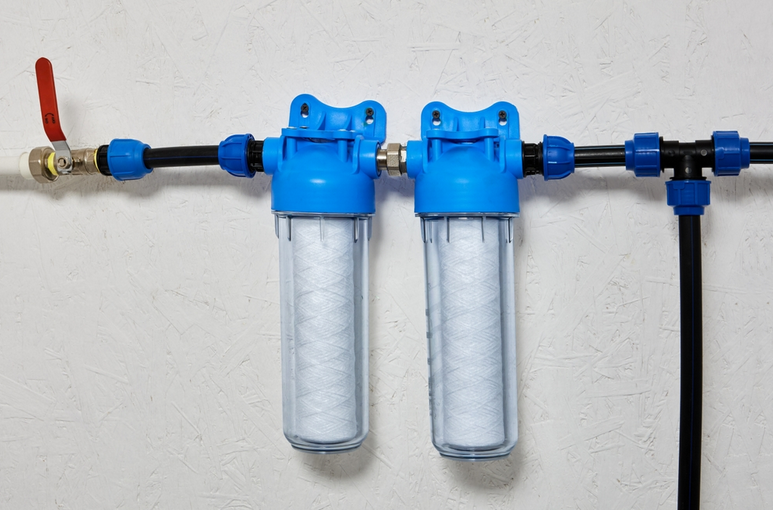
Water filtration systems need upkeep. Maintenance, though simple and straightforward, is easy to overlook. Dirty or expired filters stop working and can even make water worse.
Follow these basic maintenance tips:
- Replace filters every 3 to 6 months (or as recommended)
- Clean or sanitize filter housings annually
- Keep a log of filter changes to stay on schedule
“A system is only as good as its maintenance,” says Kemp. “Skipping filter changes is like not changing your car’s oil.”
By the time you see poor water quality, the damage may already be underway. If you notice strange smells, stains, or funny tastes, act fast and call a professional for a thorough inspection.
Enjoy Worthview?
Add Worthview as a Preferred Source on Google to see more of our stories in Search.

Worthview Editorial Team is the shared byline for content created collaboratively by Worthview’s editors and contributors. Since 2008, we’ve published thousands of articles across technology, AI, finance, health, home, travel, and lifestyle. Our editorial process emphasizes original research, reputable sources, regular content updates, and clear attribution. Articles covering higher-trust topics, including health and finance, may also undergo review by qualified subject-matter experts.