Nothing can give homeowners a wake-up call about their water heater they getting a cold shower on a freezing morning. This, coupled with hearing strange noises, should be enough to prompt you to seek expert assistance.
While DIY might feel like the fastest way to fix things, some water heater problems demand expert attention. And this includes water heater repair in Hazlet, NJ. This post will help you figure out when to call in the pros.
How Do You Troubleshoot a Water Heater?
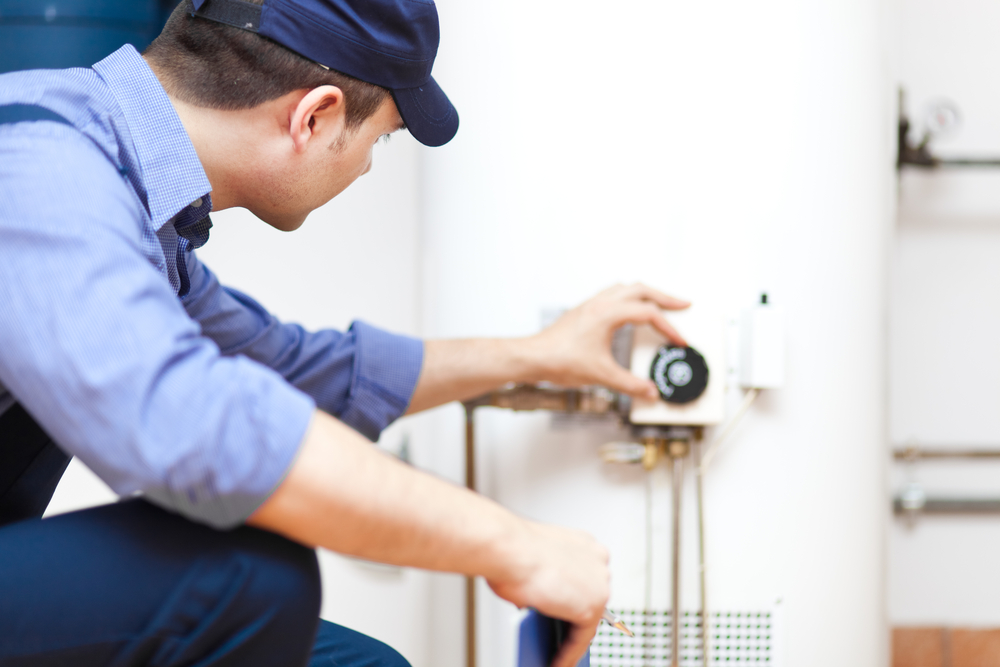
If your water heater suddenly stops producing hot water, you’re likely dealing with more than a tripped breaker. The issue could lie deep within the heating element, thermostat, or even your gas supply. These are complex components that aren’t safe to tinker with without experience.
What to check first:
- Circuit breaker (electric systems)
- Pilot light (gas systems)
- Temperature setting on the thermostat
If nothing changes, it’s time to bring in a technician from water heater repair services.
Inconsistent Water Temperatures: A Sign of Deeper Trouble
Water that turns scalding hot or ice cold often points to a failing thermostat, malfunctioning element, or heavy sediment buildup inside the tank. These fluctuations can also waste energy and put your plumbing at risk.
“Many homeowners assume fluctuating temps are just part of an older system,” says a certified plumber. “But in most cases, it means something is starting to fail.”
Leaks Can Wreck More Than Just the Heater
Leaks are a top reason water heaters need emergency service. Whether it’s a steady drip or a sudden puddle, water escaping from the unit can lead to mold growth, damaged flooring, and structural rot. It’s critical to locate the leak source and assess if it’s coming from a pressure valve, drain valve, or the tank itself.
Professional help can:
- Diagnose if it’s a replaceable part or a sign of tank failure
- Prevent electrical hazards from pooled water
- Help you avoid costly home repairs from long-term water damage
Strange Noises = Sediment Buildup
Hearing popping, rumbling, or banging from your water heater? That’s usually hardened sediment at the bottom of the tank. Over time, minerals from your water collect, trap heat, and cause noisy steam bubbles that wear down the tank lining.
To fix it, a professional may:
- Flush out the tank
- Inspect for cracks or internal damage
- Recommend a water softener if buildup is frequent
Is Your Unit Done For?
Most water heaters, on average, last 8–12 years. But age isn’t the only thing to watch for. A water heater that’s leaking, failing to maintain hot water, or needing repairs every few months is a clear candidate for replacement.
Consider replacing if your unit is over 10 years old, there’s visible rust or corrosion, or if your energy bills start spiking unexpectedly.
Regular Maintenance Extends Lifespan
Preventative maintenance can keep your water heater running longer and more efficiently. It also helps catch issues early before they become emergencies. Experts recommend flushing the tank yearly and checking the anode rod every 2–3 years.
Simple maintenance tips:
- Schedule a professional flush each year
- Test the pressure relief valve monthly
- Keep the area around the heater clean and dry
Choosing the Right Size Heater for Your Home
Do you know what size of water heater to purchase? An undersized water heater runs constantly and still can’t meet your needs. Meanwhile, an oversized one costs more upfront and wastes energy.
Typical usage guide:
- 1–2 people: 30–40 gallons
- 3–4 people: 40–50 gallons
- 5+ people: 50–80 gallons
Mistakes are costly. Always ask a pro to assess your needs before committing to a water heater installation.
Safety Comes First: Don’t Risk It
Water heaters involve electricity, gas, and pressurized hot water. Any repair that goes wrong can lead to injury or damage. From leaking valves to faulty thermostats, expert service ensures the job gets done safely and correctly.
“Homeowners shouldn’t risk burns or a gas leak over a DIY repair,” says a licensed HVAC and plumbing contractor. “There’s a reason this stuff requires training and certification.”
What to Do in a Water Heater Emergency
When a water heater breaks down unexpectedly, fast action matters. Knowing how to shut off power or gas can prevent fires or flooding. After that, always leave it to the professionals.
In case of emergency:
- Turn off the power (breaker switch) or gas supply
- Shut off the cold water valve above the unit
- Call a licensed plumber immediately
Call an expert when it matters most. Stakes are high when a water heater fails, especially if you’re dealing with leaks, no hot water, or strange sounds you don’t understand. When water heater problems show up, calling an expert is the smartest move you can make.
Enjoy Worthview?
Add Worthview as a Preferred Source on Google to see more of our stories in Search.

Worthview Editorial Team is the shared byline for content created collaboratively by Worthview’s editors and contributors. Since 2008, we’ve published thousands of articles across technology, AI, finance, health, home, travel, and lifestyle. Our editorial process emphasizes original research, reputable sources, regular content updates, and clear attribution. Articles covering higher-trust topics, including health and finance, may also undergo review by qualified subject-matter experts.