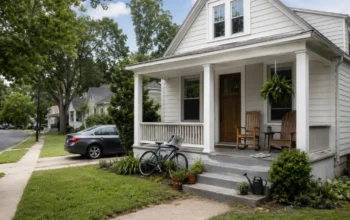
Becoming a homeowner is an exciting milestone, but it also brings responsibilities. From understanding insurance policies to routine maintenance, new homeowners face a learning curve. Taking proactive steps now can save you time and money later. With many Americans relocating each year, knowing how to manage your home effectively is essential for building equity and enjoying your space with confidence. In this article, we’ll share seven practical tips to help you settle in smoothly and protect your investment.
Understand Your Insurance Coverage
One of the first things every homeowner should do is familiarize themselves with their homeowners insurance policy. Policies vary widely, and understanding what is covered—and what is not—can prevent costly surprises. For example, coverage for standalone structures like sheds or detached garages typically differs from your main dwelling. According to Nerd Wallet, coverage for additional structures usually amounts to 10% of your primary home’s insured value. Reviewing your policy and asking questions can ensure you have the right level of protection for everything on your property.
Budget for Routine Maintenance
Unlike renting, homeownership means you are responsible for all repairs and upkeep. Establish a maintenance budget that includes tasks like HVAC servicing, gutter cleaning, and minor plumbing checks. Setting aside funds each month for routine upkeep ensures that small issues are fixed quickly before they become major problems. Regular checkups can even improve energy efficiency, helping you save on utility costs. Also, learn basic DIY skills for minor repairs, which can save both time and money over hiring professionals for simple fixes.
Prioritize Landscaping and Tree Care
Maintaining your yard is more than just aesthetic; it contributes to the overall health of your property. Trees, in particular, require specialized attention and can pose risks if not managed properly. According to conXpros, 7 out of 10 homeowners have never hired a professional tree service, which means many may overlook hazards such as weak branches or disease. Investing in expert tree care early can protect both your landscape and your home. Regular trimming, mulching, and disease prevention not only keep trees healthy but also enhance curb appeal.
Build an Emergency Fund for Unexpected Costs
Owning a home involves unexpected expenses, from sudden appliance failures to storm damage. To avoid draining your savings, create an emergency fund specifically for home-related costs. Financial advisors often recommend saving three to six months’ worth of living expenses, but it may be wise to allocate a separate pool of money solely for urgent home repairs. That way, you won’t need to rely on credit cards or loans when faced with unplanned expenses. Keeping this money in an accessible but separate account can help you resist the temptation to dip into it for non-urgent spending.
Get to Know Your Community
Moving into a new home also means integrating into a new neighborhood. Building relationships with neighbors can be invaluable, whether you need recommendations for local contractors or simply want a friendly presence next door. Community events, local forums, and homeowner associations are great ways to connect. According to RubyHome, over 8% of Americans relocated in 2021, highlighting how fluid neighborhoods can be and emphasizing the importance of forging community ties. By attending block parties or volunteering locally, you’ll find it easier to feel at home and access reliable referrals when necessary.
Invest in Energy-Efficient Upgrades
Energy costs continue to rise, so making energy-efficient improvements can lead to significant savings. Start by upgrading to LED lighting, installing a programmable thermostat, and sealing drafts around doors and windows. For those ready to invest more, consider replacing outdated appliances with ENERGY STAR–rated models or adding smart home systems that optimize energy use. Over time, these upgrades will reduce utility bills and increase the value of your home. Additionally, explore available rebates and incentives for renewable energy installations, such as solar panels, which can further offset upfront costs.
Schedule Regular Inspections
Even if your home seems in perfect condition, annual or biannual inspections by professionals can uncover problems you might miss. Schedule appointments for roofing inspections, pest control assessments, and electrical system evaluations. These inspections can identify early signs of leaks, infestations, or outdated wiring before they escalate into costly repairs. Staying on top of inspections helps ensure your home remains safe, efficient, and well-maintained. Documenting inspection results also provides a history that can be helpful if you plan to sell or refinance in the future.
Homeownership in 2025 offers opportunities to build equity and create a comfortable living space, but it comes with responsibilities. By understanding insurance, budgeting wisely, caring for your yard, building emergency savings, engaging with neighbors, investing in efficiency, and scheduling inspections, you’ll navigate homeownership with confidence.
Enjoy Worthview?
Add Worthview as a Preferred Source on Google to see more of our stories in Search.

Worthview Editorial Team is the shared byline for content created collaboratively by Worthview’s editors and contributors. Since 2008, we’ve published thousands of articles across technology, AI, finance, health, home, travel, and lifestyle. Our editorial process emphasizes original research, reputable sources, regular content updates, and clear attribution. Articles covering higher-trust topics, including health and finance, may also undergo review by qualified subject-matter experts.