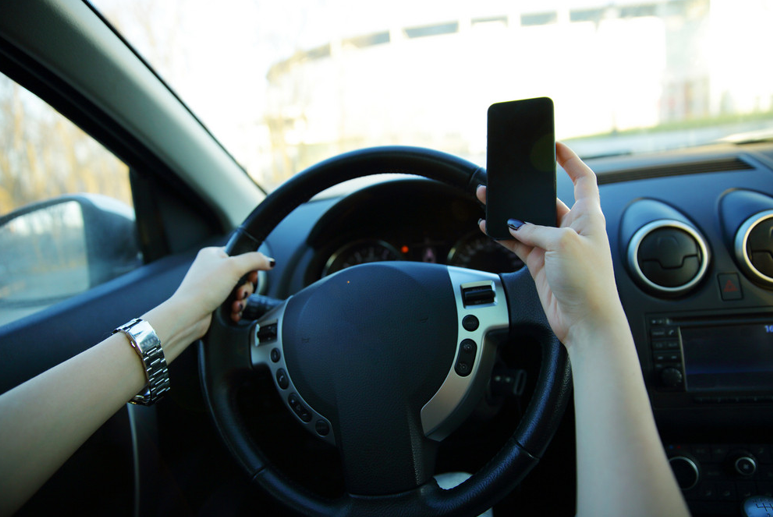
In an age where technology predominates our everyday interactions, the convenience of smartphones has unfortunately led to a perilous trend on the roads. Texting while driving has become a common practice, despite the well-documented risks it poses to motorists and pedestrians alike. To put it lightly, multitasking behind the wheel can have devastating consequences. Many drivers think they can handle it, but the reality is stark.
The consequences of texting while driving extend beyond simple distractions. In fact, many drivers in the United States can be on the road for up to 11 hours during a 14-hour shift, as determined by federal regulations. This long exposure to the dangers of the road amplifies risks, particularly when combined with the temptation to check a mobile device. As the hours drag on, fatigue sets in, and drivers may feel the pressure to address personal matters while on the road, which notably includes texting.
Ultimately, while we navigate through our busy lives, awareness of these risks is essential. According to the National Highway Traffic Safety Administration, it is estimated that more than 10 million car crashes go unreported each year. This staggering figure hints at a problem much larger than it appears. Taking proactive steps towards responsible driving is vital for both personal safety and the health of others on the road.
The Risks of Texting While Driving
Texting while driving significantly impairs a driver’s ability to respond to the road ahead. In fact, reports indicate that individuals are 23 times more likely to experience a crash when they engage in texting while behind the wheel, according to Driver Knowledge. This staggering statistic emphasizes just how dangerous the habit can be. Not only are drivers risking their own lives, but they also put passengers, other drivers, and pedestrians in jeopardy.
The mere act of looking down at a smartphone, even for a few seconds, leads to a loss of focus that can be fatal. Drivers under the illusion that they can quickly send a message fail to realize that they often overlook crucial signs or pedestrians. Each missing second increases the probability of an accident that could alter lives in seconds. Public awareness campaigns strive to remind drivers that this distraction can have irreversible consequences.
In an era where the prevalence of mobile devices is ubiquitous, a societal shift towards prioritizing roadway safety is imperative. The typical belief that a brief text is harmless needs to be reexamined. Instead, it is time for drivers to prioritize their health and safety, as well as the health of those around them. Considering that many accidents go unreported, it is crucial to change perceptions to create a safer driving environment.
Breaking the Habit of Texting and Driving
The process of breaking the habit of texting while driving requires commitment and self-discipline. Drivers need to take active measures to resist the urge to pick up their phones. This may involve putting the phone on silent or storing it out of reach during drives to eliminate distractions. Such strategies serve to minimize impulse actions that could lead to tragic outcomes on the road.
Moreover, engaging in conversations with friends and family about the risks associated with distracted driving can foster a supportive environment for change. By sharing experiences and urging accountability amongst peers, it becomes a communal effort to combat the prevalence of texting while driving. Encouragement from loved ones can lead to a newfound commitment to healthier driving habits.
By actively seeking to eliminate texting while driving, individuals can ultimately protect themselves and those around them. It is not simply about avoiding fines but also valuing one’s health and the lives of others. Making intentional choices behind the wheel can foster a safer driving environment and facilitate a significant reduction in accidents caused by distractions.
Encouragement, education, and effective use of technology can facilitate the change we wish to see. With collective effort, we can transform our roads into a safer space for everyone, proving that it’s possible to stay connected without putting lives at risk.
Enjoy Worthview?
Add Worthview as a Preferred Source on Google to see more of our stories in Search.

Worthview Editorial Team is the shared byline for content created collaboratively by Worthview’s editors and contributors. Since 2008, we’ve published thousands of articles across technology, AI, finance, health, home, travel, and lifestyle. Our editorial process emphasizes original research, reputable sources, regular content updates, and clear attribution. Articles covering higher-trust topics, including health and finance, may also undergo review by qualified subject-matter experts.