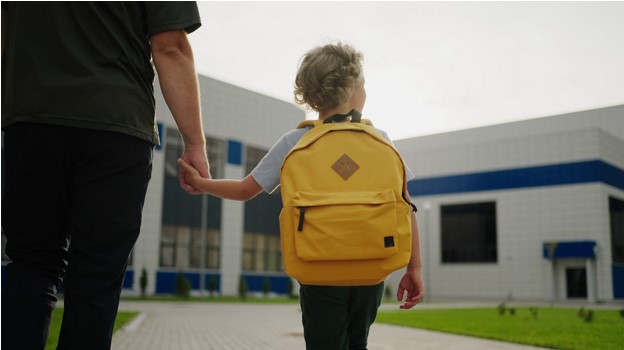
Being actively involved in your child’s education is crucial for their academic success and personal development. Studies show that parental involvement is linked to higher academic achievement, better student behavior, and an increased likelihood of students pursuing higher education. This is especially important in public education, where 24% of teachers report that a lack of parental involvement is a significant issue.
When parents remain engaged, they help bridge the gap between home and school, offering additional support and resources that can enhance the learning experience. Engagement doesn’t just mean attending parent-teacher meetings; it means actively participating in school initiatives and staying informed about academic programs. These interactions create a supportive and thriving educational environment for the children.
The challenges faced by public schools due to limited parental involvement are less prevalent in private schools, with only 3% of teachers noting it as an issue. This might be due to smaller class sizes, as most private schools, according to Dallas Morning News, have fewer than 300 students. Such settings allow for a more personalized approach and create a welcoming atmosphere where parental involvement can flourish.
The Role of Educational Programs and School Type
Diverse educational programs, like those offered by the International Baccalaureate (IB), can benefit significantly from parental involvement. Only schools authorized by the IB Organization can offer its esteemed programs like the Primary Years Programme (PYP) and the Diploma Programme (DP). It’s important for parents to understand the value these programs bring, and their role in supporting their child’s endeavors in such rigorous academic paths.
Parental engagement in schools with specialized programs can ensure that children reap the full benefits offered by such curricula. The IB programs, for instance, emphasize critical thinking, active participation, and global awareness, which require a supportive home environment. When parents are involved, they can reinforce these concepts and provide necessary tools to aid their child’s educational journey.
Schools, whether public or private, can help maximize their educational offerings by fostering an environment that encourages parental participation. Private schools, with their smaller student bodies, may inherently facilitate closer interactions among parents, teachers, and students. Understanding these dynamics can help parents choose the right educational setting and become active collaborators in their child’s academic success.
Creating a Home Environment Conducive to Learning
Creating a positive and supportive home environment is key to complementing school efforts at nurturing a child’s education. Parents play a vital role in reinforcing what is taught in school by offering additional support at home through homework help, reading activities, and educational games. Establishing routines and setting expectations can also provide children with a sense of stability and structure.
For parents, often the initial step is to engage with educators to understand the school’s objectives and tailor home activities to align with these goals. These interactions build a collaborative relationship between home and school, ensuring children receive consistent messages about the value of education. Such involvement not only strengthens the child’s learning experience but also boosts their confidence and self-esteem.
Given the challenges posed by larger public schools, maintaining an educationally-focused home environment becomes even more crucial. The engagement from parents helps compensate for any gaps and places the child in the best possible position to succeed. By being proactive in their child’s education, parents can make a significant difference in both academic outcomes and long-term personal growth.
Ultimately, staying actively involved in your child’s school is an investment in their future. Recognition of the problems associated with lack of parental involvement and understanding the differences between school types can guide parents towards constructive participation in their child’s education. This collaboration helps create a cohesive learning journey that extends beyond school walls and into the home.
Parental engagement in education is not just about enhancing academic success; it’s about fostering emotional and social development. In schools with specialized programs like the IB, parental support is critical in maximizing students’ experiences and preparing them for future challenges. Creating a home environment that complements and supports school efforts is fundamental to achieving these goals.
While schools strive to provide quality education, the involvement of parents can magnify their efforts and bridge any gaps that may exist. By actively participating, parents demonstrate to their children the importance of education and provide a foundation that supports lifelong learning and success. Together, schools and homes can work hand in hand to nurture the next generation of leaders and innovators.
Enjoy Worthview?
Add Worthview as a Preferred Source on Google to see more of our stories in Search.

Worthview Editorial Team is the shared byline for content created collaboratively by Worthview’s editors and contributors. Since 2008, we’ve published thousands of articles across technology, AI, finance, health, home, travel, and lifestyle. Our editorial process emphasizes original research, reputable sources, regular content updates, and clear attribution. Articles covering higher-trust topics, including health and finance, may also undergo review by qualified subject-matter experts.