In today’s modern world, it’s difficult to imagine a time when electricity didn’t exist. Our lives would be significantly harder without working light bulbs, sockets to charge our devices, electrical appliances, and now even electricity-using modes of transport.
The good news is that electricity is well and truly here to stay—but if you want to maintain consistent access to electricity in your home, you’ll need to keep your electrical system in good working order. To learn exactly how to do that, keep reading this guide.
1. Get Regular Inspections By A Qualified Electrician
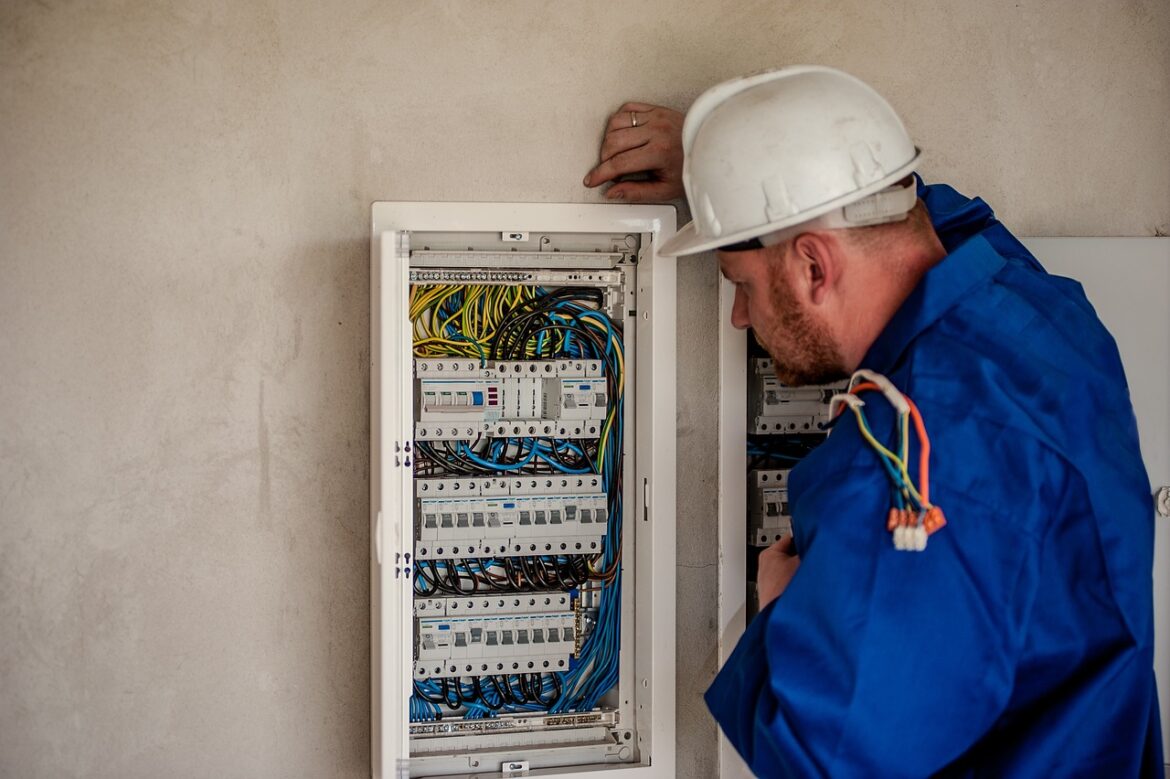
The most reliable way to keep your home’s electrical system running like clockwork is to get it regularly checked by a qualified electrician, like one of the team at BreakerPro.
Electricians can detect problems with your electrics in their early stages, so you can address them before they turn into proper hazards. In a standard inspection, they’ll check your wiring and connections, and make sure everything meets current safety standards. Yes, they cost money, but they’ll slash the risk of electrical fires and actually help you save cash in the long run.
2. Avoid Overloading Circuits
Ever plugged an extension lead into your wall, then plugged another lead into that one? If so, there’s a good chance that you’re overloading your circuits, which can have dangerous consequences.
You’ll want to spread out your high-power devices across different outlets rather than cramming everything into a single, overworked socket. It’s also smart to invest in a couple of surge protectors, so you can protect your devices and prevent your wiring from overheating.
3. Replace Damaged Cables And Fixtures
We all know someone who uses a phone charger that’s barely clinging to life—and if you don’t, you probably are that person. You might think you can get away with it, but frayed wires and other dodgy electrics (like wonky outlets and old or damaged light fittings) can end up being serious hazards.
Make sure to replace any damaged components immediately rather than trying to bodge them with a temporary fix. It’s a good idea to inspect your cords and fixtures every now and then, so you know when they need replacing.
4. Keep Electrical Panels Clear
Your electrical panel or fuse box needs to always be accessible and completely clutter-free, no matter how easy it might be to shove stuff in front of it.
You want to be able to quickly shut off power if you discover an issue that needs immediate attention, and having easy access to your electrical panel means your system can be maintained safely with no delay. Never, ever block or cover panels with furniture.
5. Install and Test Safety Devices
Finally, safety devices like circuit breakers and residual current devices might not look like they do much, but they can make a huge difference in a potentially serious scenario.
Your first step is to install these devices if you don’t have them already. You’ll also want to test them regularly to make sure they’re actually working when you need them most.
Enjoy Worthview?
Add Worthview as a Preferred Source on Google to see more of our stories in Search.

Worthview Editorial Team is the shared byline for content created collaboratively by Worthview’s editors and contributors. Since 2008, we’ve published thousands of articles across technology, AI, finance, health, home, travel, and lifestyle. Our editorial process emphasizes original research, reputable sources, regular content updates, and clear attribution. Articles covering higher-trust topics, including health and finance, may also undergo review by qualified subject-matter experts.