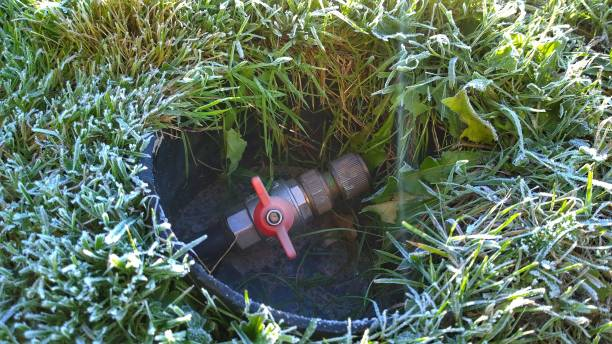
Have you noticed how many systems especially in water treatment, chemical plants, farms, or even home plumbing use valves all the time?
Choosing the right valve means less worry, fewer leaks, and long lasting service. PVC ball valves are a popular pick in many cases.
Let’s explore what they are, why they work well, and when they’re best suited.
What Is a PVC Ball Valve
A PVC ball valve is a valve made of polyvinyl chloride (PVC) that controls fluid flow using a spherical “ball” with a hole in it.
You turn the handle a quarter turn, and the hole either aligns with the pipe (flow allowed) or blocks the flow (closed).
Because of this simple mechanism, operation is quick, sealing is good, and fewer parts mean less chance of something going wrong.
Key Advantages of PVC Ball Valves
Here are the many benefits of using PVC ball valves in fluid systems:
Corrosion and Chemical Resistance
PVC material does not rust. It resists many chemicals, acids, alkalis, and corrosive fluids better than many metals. That means in water treatment or chemical dosing, the valve stays clean and intact for longer.
Lightweight and Easier Handling
Because PVC is much lighter than metals, PVC ball valves are easier to install, move, or replace.
This helps especially when there are many valves or when space is tight. Installation cost and effort drop.
Lower Cost and Better Value
PVC ball valves cost less than metal ones (like stainless steel or brass), both in purchase price and in ongoing maintenance.
Yet they offer reliable sealing and performance for many applications. For many firms, this means good savings without compromising basic quality.
Simple Operation & Fast Shut-Off
Because of the quarter-turn design, you open or close the valve quickly. This helps in emergencies, or when you need to shut flow fast for maintenance. Handle control is easy and intuitive.
Low Maintenance and Long Life
PVC ball valves have fewer moving parts exposed. They don’t corrode or rust, so less care is needed. If used within the right pressure and temperature range, their lifespan is quite long.
Wide Range of Applications
They are used across many fields: water supply, irrigation, chemical handling, wastewater, cooling systems, etc.
Because PVC works well with water and many fluids, and is safe in many scenarios, its use is broad.
What to Check When Using PVC Ball Valves
To ensure reliability, you should pay attention to a few practical points:
- Pressure and Temperature Ratings: PVC ball valves have limits. If fluid is hot or pressure is high, pick a valve rated for that condition. Some versions (like CPVC) are better for hotter fluids.
- Quality of Seals / Seats: The part that seals around the ball must match the fluid conditions (chemical, temperature). Materials like PTFE or EPDM are common choices.
- Proper Installation: Clean pipe ends, correct alignment, secure connections. Avoid over-tightening. Follow manufacturer instructions.
- Accessibility and Maintenance: Choose valves that are easy to reach, easy to operate, and simple to maintain (replace seals, check for leaks).
Limitations to Be Mindful (But in Positive Light)
Even though PVC ball valves are very reliable, working within their strengths makes them perform best:
- They are excellent for moderate pressure and temperature regimes.
- For very high heat or very aggressive chemicals, you may need specialty plastics or metals.
- For very large pipelines, mechanical strength and support matter.
Conclusion
PVC ball valves are a solid, reliable choice for fluid handling when you need durability, low cost, ease of use and good chemical resistance. When used in right conditions matching fluid type, pressure, temperature and with proper installation, they serve long and well. If you are designing or maintaining a system that handles water, non-aggressive chemicals, or similar fluids, using PVC ball valves is often a smart, practical decision.
Enjoy Worthview?
Add Worthview as a Preferred Source on Google to see more of our stories in Search.

Worthview Editorial Team is the shared byline for content created collaboratively by Worthview’s editors and contributors. Since 2008, we’ve published thousands of articles across technology, AI, finance, health, home, travel, and lifestyle. Our editorial process emphasizes original research, reputable sources, regular content updates, and clear attribution. Articles covering higher-trust topics, including health and finance, may also undergo review by qualified subject-matter experts.