Are you serious about online success?
A carefully selected domain name can help your brand to go online. In many ways, this is a true digital address where everyone can easily find you on the web. After all, the domain name is the digital identity of any successful online business.
The problem is that when planning their new domain registration, most people get little or no information. They settle for a cheap new domain and a .com address extension. However, in the future, these practices will be something in the past. I invite you to focus on the long term and future-proof your domain name.
In this guide, you will find all the right moves to go online, along with common pitfalls that you should avoid. Take action today and you will be glad that you took the time to do your homework.
Do you need a memorable domain name?
To start, your domain name is more important than you might think.
A solid and long-term domain name strategy will pay off in more than one way. Because if you don’t take your time and do this right from the beginning, the situation will start to cost you money.
Here’s a fun fact:
The domain industry today covers 362.4 million domain name registrations spread across all TLDs. And while that may seem like a lot to most people, that’s not really a lot of domains. Competition for great domain names will only get more fierce. The best names have long since been claimed, so if you’re not careful, you’ll be left with the scraps.
A well-chosen domain name will make a huge difference in your brand awareness, SEO rankings, and trust and credibility. It can even avoid having to undergo a complete rebranding at some point in the future.
Do you need the right extension?
Time to talk extensions.
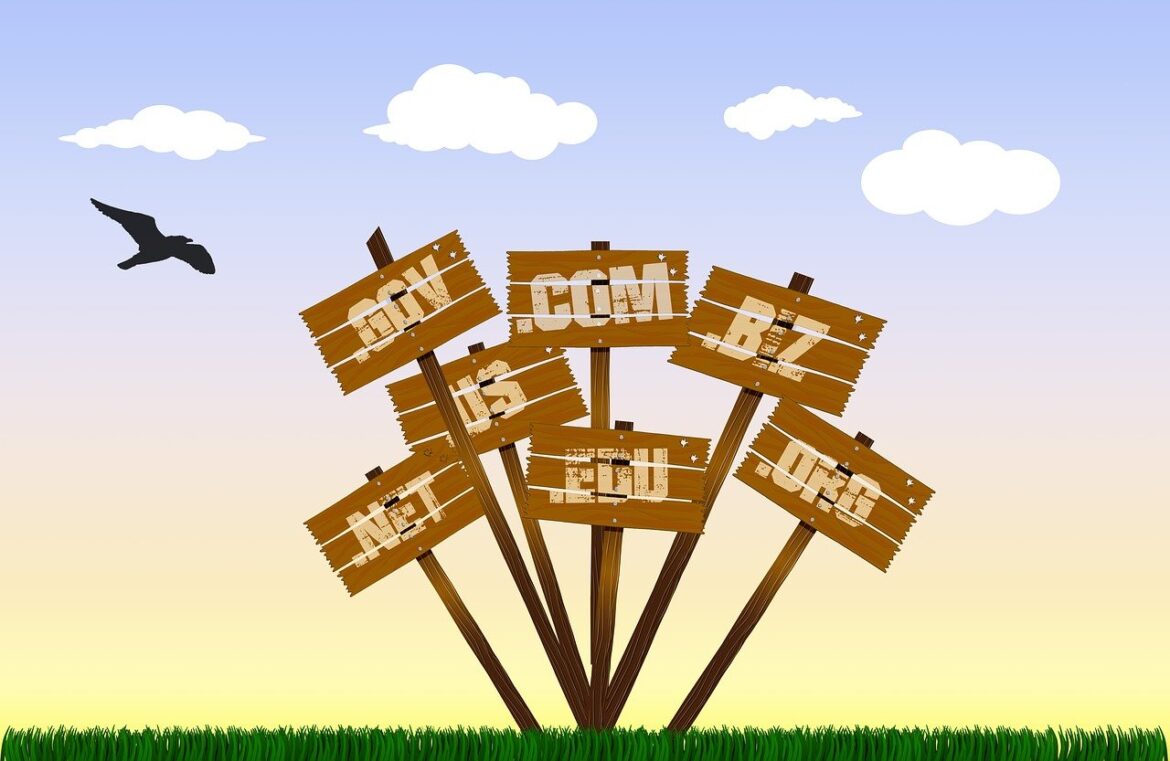
Most people assume a .com domain is best. After all, who would trust anything else, right? But what many people don’t realize is that with new generic TLDs growing year-over-year by 17.4%, there are new options.
Don’t rush through this section because this is an essential step that sets the right tone for your digital brand.
- Traditional extensions (com, net, org): These are the OG’s of domain extensions. They’re tried and tested, reliable, and recognizable by most internet users. But, they also happen to be the hardest to register because the obvious ones are taken.
- Country Code TLDs (us, uk, sg): These are the domain extensions that focus on a certain country or region. For example, if you have a Singapore business, consider registering a .sg domain. These can actually help with local SEO and create more trust with your local audience.
- New generic TLDs (tech, shop, online): New extensions are opening up new possibilities and are more descriptive and longer than a .com domain. There are tons of options and new .com domain names available here.
And one thing to remember:
Your extension matters. A .shop domain means you’re in the ecommerce business. A .tech domain says you’re a tech brand. Make sure your extension fits your brand.
Domain registration security settings
Domain registration security settings should never be optional.
Your domain is like digital property, and as such, there will always be people looking to steal from you.
Domain hijacking may seem rare, but in 2024, this is your worst nightmare because the implications are devastating.
I cannot stress this enough so pay close attention:
- Enable two-factor authentication on your registrar account: This is a must and it is non-negotiable. Set up 2FA on your registrar account right now. This way, you will add an additional layer of security that will make it nearly impossible to hack your account. This means someone could have your password and still not be able to break into your account.
- Lock your domain: Registrars let you “lock” your domain from being transferred without your authorization. Turn this feature on and do not turn it off.
- Use domain privacy protection: When you register a domain, your name and personal information are published to the public WHOIS database. This is to prevent typosquatting and phishing scams. Domain privacy hides your contact details and makes this information unavailable to the public. This can be used to prevent spam, identity theft, and other malicious attacks. Most registrars offer this as a free or cheap service, so enable it immediately.
- Set up auto-renewal on your domain: The quickest way to lose your domain name is to let it expire. Thousands of domains are lost to expiration every year because people don’t remember to renew them, which is 100% preventable. If your domain expires, then the registrar will release it to the public and anyone can register it — including you, but then you’re probably stuck paying a premium price. Set auto-renewal and it will never happen to you.
How to avoid brand infringement
Online businesses who are savvy protect their brand online in a few different ways:
- Register multiple variations of your main domain
- Set up alerts for when similar domains are registered
The logic here is simple. Research shows that 48% of third-party domains were for pay-per-click advertisements and could confuse customers or steal your traffic. Defensive registration isn’t paranoia, it’s strategic business practice. Registering domains with slight variations of your brand name that you’re unlikely to use, protects you against having them taken by scammers or worse, your competitors.
Set up alerts so you’re notified when domains similar to your main brand domains are registered so you can take early action against potential trademark infringement.
5 important mistakes to avoid with domain registration
And now to save you from potential mistakes:
- Choosing a difficult name to spell: Make sure your domain name is easy to spell, pronounce, and remember. A domain name with hyphens, numbers, weird spellings, or hard-to-pronounce words are a bad choice.
- Trademark research is not performed: Search trademark databases to see if someone else has already registered your business name as a trademark. Registering a domain name that infringes on an existing trademark can lead to legal troubles and losing your domain.
- Using a cheap registrar: Not all domain registrars are equal. Cheaper options may offer rock-bottom prices but terrible customer service or locking in your domain so you can’t transfer later. Opt for a reputable registrar with good support, transparent pricing, user-friendly tools, and security features.
- Ignoring domain renewal dates: Domains don’t last forever and need to be renewed. Renewal costs can be much higher than initial registration and can lead to domain loss if ignored. Keep track of renewal dates and budget for them.
Making your domain name work harder
Once you’ve got your domain name registered, make it work harder.
Connect your new domain to a professional email address with your domain name. It will make you look so much more professional than a free Yahoo or Gmail address. Setup proper redirects on all of your additional domains that you registered and double-check your DNS settings.
Final Thoughts
Domain registration best practices may not be complex, but they do require a little thought and planning.
To summarize the steps and key points:
- Choose a memorable and brandable domain name.
- Pick the right extension for your brand and target market.
- Enable security features like 2FA, domain lock, privacy protection, etc.
- Protect your brand with defensive registrations and alerts.
- Avoid the common mistakes that could cost you later.
- Setup auto-renewal to keep your domains safe.
Practice these domain name best practices and you’ll be able to build a better foundation for your online presence. Your future self will thank you for doing this right the first time instead of trying to fix the situation later.
Now stop overthinking this and go buy your domain name before someone else takes it.
Enjoy Worthview?
Add Worthview as a Preferred Source on Google to see more of our stories in Search.

Worthview Editorial Team is the shared byline for content created collaboratively by Worthview’s editors and contributors. Since 2008, we’ve published thousands of articles across technology, AI, finance, health, home, travel, and lifestyle. Our editorial process emphasizes original research, reputable sources, regular content updates, and clear attribution. Articles covering higher-trust topics, including health and finance, may also undergo review by qualified subject-matter experts.