Tackling a home improvement project on your own can be exciting, cost-saving, and deeply satisfying—at least in theory. With countless tutorials and how-to videos online, it’s tempting to believe that anyone can renovate a kitchen, rewire a garage, or repair a roof with enough determination and elbow grease. However, many homeowners quickly find themselves in over their heads, faced with unexpected costs, dangerous situations, and shoddy results that require professional intervention anyway. In many cases, hiring professional home improvement contractors from the beginning can save time, money, and even lives.
Cutting Corners on Complex Installations
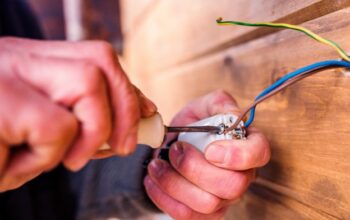
Some parts of a home improvement project require far more expertise than they appear to on the surface. Electrical work is a prime example. Whether you’re installing new lighting, rewiring a basement, or adding outlets, there’s no room for error. According to Tech Briefs, hermetic electrical feedthroughs do three key things: maintain seals, transmit electrical power and signals, and provide electrical isolation. These components are not just technical jargon—they’re essential for maintaining safe and functional systems in areas like HVAC units, appliances, and even security systems.
Trying to handle such components without the proper tools or knowledge can compromise safety, potentially creating fire hazards or damaging other systems within your home. Licensed electricians understand the intricacies of electrical codes, load balancing, and insulation requirements. A professional contractor will ensure every aspect of the job—from wiring to sealing—is done to code and built to last.
Ignoring the Risks to Personal Safety
DIY home improvement isn’t just about aesthetics or function—it can be downright dangerous. Whether you’re scaling ladders, using power tools, or working around gas lines, each of these tasks carries inherent risks. According to Injured Call Today, there are over 400,000 personal injury claims each year, many of which stem from accidents at home. While the idea of saving a few hundred dollars on labor might seem worthwhile, a trip to the emergency room can be far more costly, both financially and physically.
Professionals are trained not only in technique but also in job site safety. They know how to manage risk, secure the environment, and use equipment correctly. Contractors also carry insurance, meaning that if something does go wrong, the homeowner isn’t held liable. When amateurs attempt high-risk improvements, they often lack both the experience and safety gear necessary to avoid injury, turning a hopeful DIY job into a hazardous ordeal.
Underestimating the Scope of the Work
One of the biggest pitfalls in DIY home improvement is misjudging how extensive a project really is. It might seem like replacing a roof shingle or fixing a leaky faucet is a simple task, but often, what’s visible on the surface is just a fraction of the issue. Beneath that one damaged shingle could be rotting plywood, mold, or structural weaknesses. According to IBISWorld, there were 98,980 roofing contractor businesses in the U.S. as of 2024. That sheer number reflects the ongoing demand for expert services—because roofing, plumbing, and foundation work rarely go as planned when handled by amateurs.
Professionals bring more than tools—they bring years of hands-on experience that allow them to spot problems early, assess structural integrity, and complete the job efficiently. When homeowners dive into major repairs without that same level of knowledge, they often end up needing to call in a contractor to fix their mistakes—doubling the total cost of the project.
Know When to Call in the Pros
While DIY culture encourages independence and creativity, it’s essential to know your limits—especially when it comes to home improvement. Not every project is suited for a weekend warrior. Tasks involving electrical systems, roofing, plumbing, or load-bearing structures require a high level of expertise and precision.
The next time you consider doing it yourself, ask whether it’s truly worth the risk. Are you equipped to handle potential hazards? Can you ensure code compliance? Are you prepared for the hidden costs of mistakes?
Hiring a professional home improvement contractor isn’t just about avoiding problems—it’s about ensuring the job is done right the first time. From safety to efficiency, the benefits far outweigh the initial savings of going it alone. Home improvement is an investment in your property—and in your peace of mind.
Enjoy Worthview?
Add Worthview as a Preferred Source on Google to see more of our stories in Search.

Worthview Editorial Team is the shared byline for content created collaboratively by Worthview’s editors and contributors. Since 2008, we’ve published thousands of articles across technology, AI, finance, health, home, travel, and lifestyle. Our editorial process emphasizes original research, reputable sources, regular content updates, and clear attribution. Articles covering higher-trust topics, including health and finance, may also undergo review by qualified subject-matter experts.