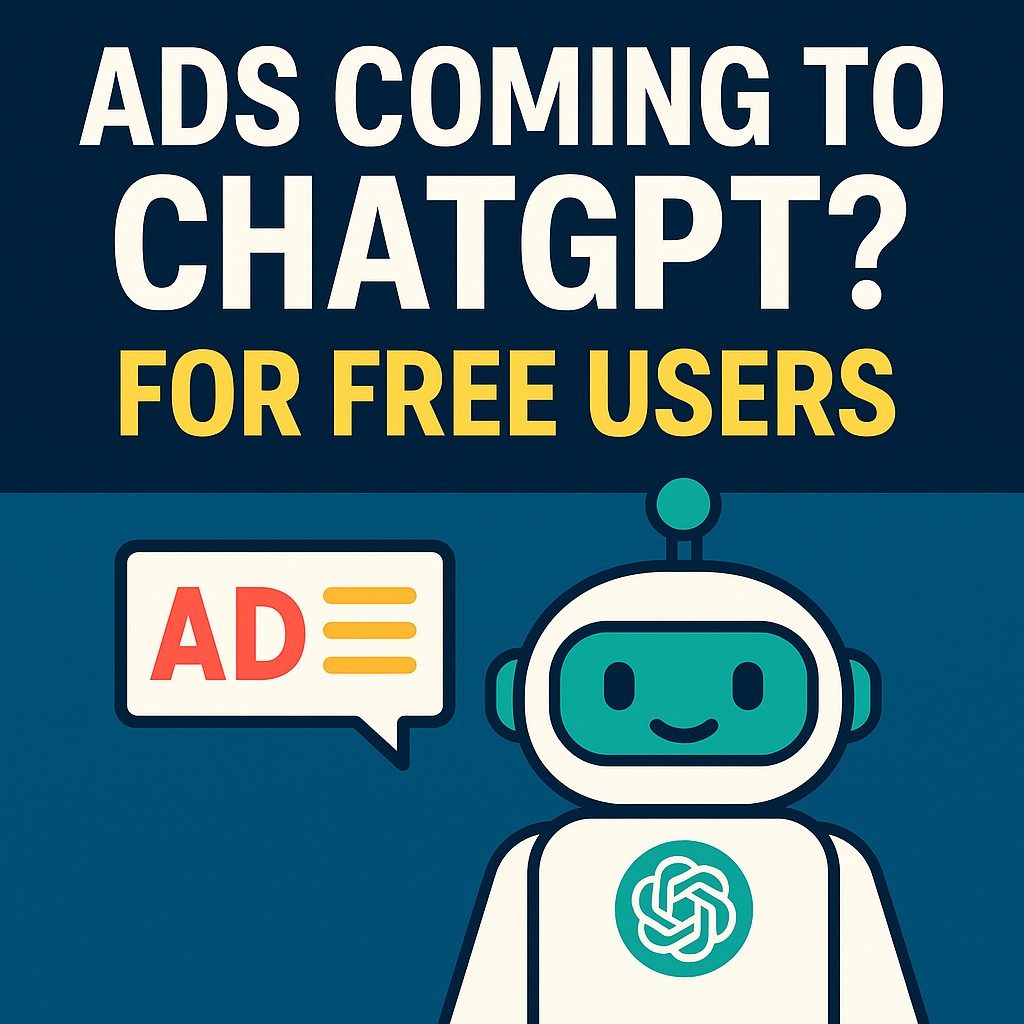
Recent leaks from the beta version of ChatGPT’s Android app show code referencing ad-related features. This strongly suggests that OpenAI is preparing to roll out advertisements for free-tier users of ChatGPT. While not yet confirmed publicly, ads are likely to appear during search or shopping–type queries first and may arrive as early as 2026. The decision reflects OpenAI’s need for new revenue streams while balancing user trust and impartiality.
What Triggered This Speculation?
-
In the Android beta version 1.2025.329 of ChatGPT, developers discovered code strings like “ads feature”, “search ad”, “search ads carousel”, and “bazaar content”. Those strings suggest a built-in ad framework — possibly for search/shopping-related results.
-
Some users have reportedly seen ads already while using ChatGPT.
-
Official insiders seem to treat ads as a potential “plan B”. Company leadership has indicated that ads could be used only if necessary, to support free access and manage high infrastructure costs.
Why Is OpenAI Considering Ads Now?
-
Running large-scale AI systems like ChatGPT is expensive — servers, compute power, maintenance all cost a lot. Ads could provide a stable revenue stream beyond subscriptions and API licensing.
-
Most ChatGPT users are on the free plan. Monetizing them via ads helps OpenAI sustain and scale access without forcing everyone to pay.
-
An advertising model brings ChatGPT more in line with other AI/chat-based services that already show sponsored content — indicating a broader industry trend.
What Could Ads Look Like on ChatGPT?
Based on the code strings and expert speculation:
-
Ads are likely to appear when users perform search-style queries, product lookups, or shopping-related questions. For example, if you ask “Where can I buy a new phone?” or “Best laptops under $1000”, ChatGPT might show sponsored product cards.
-
Rather than intrusive display ads everywhere, the placement might be strategic and context-sensitive — only when the user’s request is commerce or search oriented.
-
Paid/subscribed users might have a different (ad-free or ad-minimised) experience — though details are not yet clear.
What We Don’t Know — Yet
| Question | Uncertain Because… |
|---|---|
| When will ads be officially rolled out? | OpenAI hasn’t announced a date — only internal beta testing is visible so far. |
| Will free-tier only get ads, or will paid users also see them? | No formal statement yet on tier-based ad exposure. |
| How intrusive or frequent will ads be? | We only have code hints. Final placement, frequency, and ad formats (text, carousel, voice etc.) are speculative. |
| Will ads compromise response neutrality? | That’s a major concern. If not designed carefully, ad placement could hamper the trust and objectivity ChatGPT offers. |
What This Change Means for You (as a User)
-
If you use ChatGPT for product searches, recommendations, or shopping queries, expect to see sponsored content or ad carousels.
-
The free version may no longer remain ad-free. This could make the experience feel more like a search engine than a neutral AI assistant.
-
However, for everyday conversational queries — casual talk, learning, brainstorming — ChatGPT’s core value might remain intact if ads are limited to relevant contexts.
-
Users who value a clean, ad-free interface may need to consider paid tiers (if OpenAI differentiates based on plan) or other alternatives.
My View (and What to Watch Next)
This seems like a pragmatic — though controversial — move from OpenAI. Given the high costs of running AI services, monetizing free users via ads is understandable. If implemented thoughtfully (i.e. ads only in shopping/search contexts, minimal intrusion, clear separation from AI responses), it might strike a balance between revenue and user experience.
But there’s a risk: intrusive or biased ads may erode user trust — a core strength of ChatGPT. It will be important for OpenAI to stay transparent about where and why ads appear, and perhaps offer opt-outs or ad-free paid tiers.
What to watch now: official announcements from OpenAI (or on ChatGPT’s blog), user reports of ads while using ChatGPT, and updates about how ads affect paid vs free plans.
Enjoy Worthview?
Add Worthview as a Preferred Source on Google to see more of our stories in Search.

Worthview Editorial Team is the shared byline for content created collaboratively by Worthview’s editors and contributors. Since 2008, we’ve published thousands of articles across technology, AI, finance, health, home, travel, and lifestyle. Our editorial process emphasizes original research, reputable sources, regular content updates, and clear attribution. Articles covering higher-trust topics, including health and finance, may also undergo review by qualified subject-matter experts.