Exploring new cuisines and ingredients can be an exciting culinary adventure that enriches our daily lives. However, venturing into unfamiliar culinary territories often comes with its own set of challenges and risks, especially when it comes to food safety. By adhering to strict cooking guidelines, you can ensure that your foray into cooking new or uncommon foods is both delightful and safe.
The Growing Interest in Cultural Cuisines
Today, more than ever, people are embracing foods from cultures that differ from their own. It’s no surprise that 76% of individuals are regularly attracted to trying these international culinary delights. This curiosity leads to an expanded palate and introduces us to diverse flavors and cooking techniques.
Diving into new culinary traditions is not just about taste; it’s a cultural exploration that brings global communities closer. Food is a powerful medium for understanding different cultures, and trying exotic meals can enrich our global perspective. Moreover, adopting diverse cuisines into your regular diet can offer health benefits, introducing nutrients and ingredients that are otherwise seldom consumed.
While exploring these new foods presents an exciting opportunity, it is crucial to remember that different ingredients often come with their own safety precautions. Some foods may require specific methods of preparation to ensure they are safe for consumption. It’s important for home cooks to thoroughly research and carefully follow food safety guidelines specific to each new ingredient they are trying to prepare.
Understanding the Risks of Foodborne Illness
Food poisoning remains a significant concern, affecting millions annually. The Centers for Disease Control and Prevention reports that approximately 17% of Americans experience foodborne illnesses each year, with 128,000 cases leading to hospitalization. This statistic highlights the critical importance of adhering to guidelines in food preparation, especially when dealing with unfamiliar ingredients.
The symptoms of foodborne illnesses can range from mild discomfort to severe health complications, making prevention a priority. By implementing strict hygiene practices and correct cooking procedures, the risk of contamination and sickness can be significantly reduced. Ensuring that foods are cooked to the proper temperature is one of the most effective ways to kill harmful pathogens.
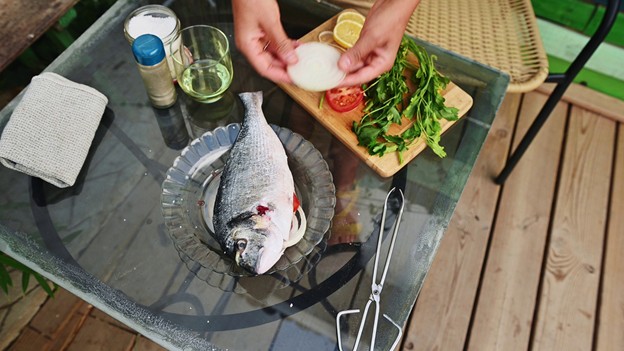
Cooks venturing into new culinary areas should be particularly diligent, as some uncommon foods demand specific handling and cooking techniques. For instance, certain exotic fish or undercooked meats can carry higher risks of toxins or parasites. This emphasizes the necessity for education and caution when preparing such dishes at home.
Efficient Kitchen Safety Practices
Implementing kitchen safety practices efficiently can greatly diminish the risks of foodborne illnesses. For instance, always maintain separate cutting boards and utensils for raw and ready-to-eat foods to avoid cross-contamination. A meticulous approach to cleanliness will support your overall health and well-being.
Monitoring food temperatures with a reliable thermometer is another vital practice. Ensuring that different types of foods reach their appropriate internal temperatures helps in minimizing pathogen survival. This step is particularly crucial when cooking new or less familiar foods, which may not have been part of regular meal preparation in the past.
Equally important is staying informed about food recalls or potential outbreaks of foodborne diseases. Awareness can prevent you from unwittingly incorporating unsafe ingredients into your meals. Consequently, well-informed home cooks not only protect their own health but also contribute to a broader culture of food safety awareness.
The Reality of Emergency Room Visits
Despite best efforts, mistakes can happen, and when they do, the consequences might lead to a visit to the emergency room. The average wait time at these facilities is over 35 minutes, according to data from Statista. This wait underscores the importance of taking all necessary precautions to avoid foodborne illnesses that could lead to such emergencies.
Seeking timely medical care is crucial in severe cases of food poisoning as it can prevent further health complications. However, taking preventive measures in the kitchen is the best strategy to avoid these scenarios altogether. By applying this proactive approach, you set a foundation for safe and successful culinary experiences.
Maintaining awareness of the symptoms of foodborne illnesses can guide you in deciding when medical intervention is necessary. Often, early detection and treatment are key to minimizing the impact of such conditions. Thus, understanding basic food safety not only preserves your health but also saves time and stress in unavoidable medical situations.
Savor the Adventure Safely
Venturing into the world of unfamiliar culinary creations is an adventure worth pursuing. With the right precautions, you can explore new tastes while safeguarding your health. Following strict cooking guidelines ensures that your culinary journey remains both enjoyable and safe.
Learning and applying rigorous food safety standards is an investment in your well-being and in the quality of the meals you prepare. Armed with the right knowledge and practices, you can confidently navigate and savor the vast landscape of global cuisines. Embrace the richness of diverse foods, knowing that safety is your most trusted kitchen companion.
Enjoy Worthview?
Add Worthview as a Preferred Source on Google to see more of our stories in Search.

Worthview Editorial Team is the shared byline for content created collaboratively by Worthview’s editors and contributors. Since 2008, we’ve published thousands of articles across technology, AI, finance, health, home, travel, and lifestyle. Our editorial process emphasizes original research, reputable sources, regular content updates, and clear attribution. Articles covering higher-trust topics, including health and finance, may also undergo review by qualified subject-matter experts.