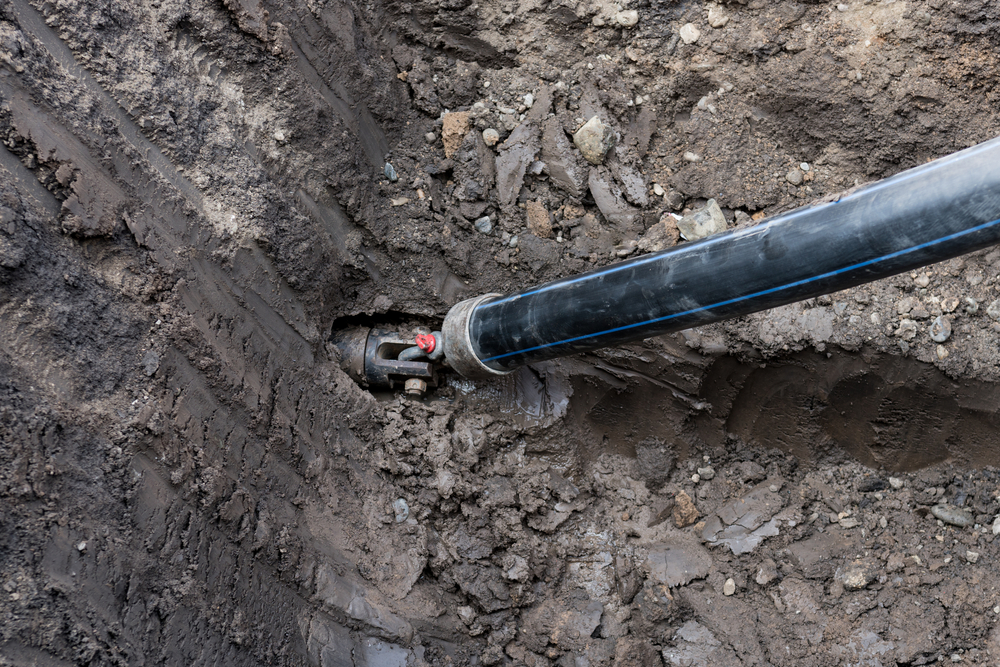
Cured-in-place pipe (CIPP) lining offers a no-dig solution to pipe damage. Using powerful tools and modern tech, experts can restore old pipes beneath your lawn, sidewalk, or basement floor without the mess.
As a faster, cleaner, and more durable solution, it’s no wonder that trenchless pipe lining in Ruckersville, VA, has become a go-to solution. And behind this method is a powerful lineup of tools that make it possible.
CIPP Lining: A Smarter Way to Fix Pipes
Instead of digging up old pipes, CIPP pipe lining uses a flexible liner coated in resin. This liner is inserted into the damaged pipe and cured until it forms a solid, seamless replacement. It’s like installing a brand-new pipe inside the old one—without tearing up the property.
“CIPP technology lets us repair pipes that are buried under driveways or landscaping, without disturbing the surface,” says a lead plumbing technician.
This method works for pipes damaged with cracks, corrosion, or root damage. Opting for CIPP lining is also the way to go if you want to minimize digging, cleanup, and disruption to your home. In terms of durability, the product is exceptional, often lasting for +50 years with proper installation.
Inversion Drums: How the Liner Gets Inside
Inversion drums are one of the first tools you’ll see on a CIPP job site. They’re large, pressurized drums. They are used to turn the resin-coated liner inside out and shoot it through the existing pipe.
Key steps:
- The liner is saturated with resin.
- It’s loaded into the inversion drum.
- Air or water pressure forces it into the damaged pipe.
When used correctly, inversion drums ensure the liner reaches every inch of the target pipe.
Seeing Below the Surface: Robotic CCTV Camera Inspections
Technicians need to get a clear look inside the pipes before commencing a lining project. Robotic CCTV cameras utilize high-definition cameras that travel through underground lines. These can reveal cracks, tree roots, and collapsed sections in real-time.
“The camera can tell us what’s wrong, where the problem is, and how best to fix it,” explains a technician.
These inspections also:
- Confirm the pipe is clean enough for lining
- Help determine the right liner size and length
- Provide proof of work after the repair is done
Calibration Rollers: Fine-Tuning the Liner Fit
The liner must be rolled and pressed once in place. This allows for a tight fit against the pipe walls. At this phase, calibration rollers apply even pressure across the length of the liner. This step is crucial for a strong bond and a smooth, round interior.
Precision is key because uneven liners cause weak spots. Air bubbles or wrinkles are problematic as these can shorten the liner’s life. Rollers can prevent these issues from happening, minimizing the likelihood of reworks and liner collapse.
Steam vs. UV: Which Curing Method Works Best?
Curing is what hardens the resin. This is done using steam, hot water, or ultraviolet (UV) light. Each method has its pros, depending on the job conditions.
Steam curing:
- Heats quickly, ideal for longer liners
- Requires a boiler and temperature controls
UV curing:
- Faster in small-diameter pipes
- Uses light trains pulled through the liner
“We often use UV curing in city pipes where speed matters,” says a lining technician. “It saves time without cutting corners.”
When Problems Happen: Tech Helps Fix It
Even with the best tools, things can go wrong even when experts are equipped with the best tools. Wrinkled liners, trapped air, or slow curing can affect the final result. But with live camera feeds and digital sensors, technicians can quickly diagnose and correct issues mid-process.
Common fixes include re-rolling, restarting curing cycles, and re-cleaning. These adjustments protect your investment and make sure the repair lasts.
Training Makes the Tools Work
High-tech gear is only effective in skilled hands. CIPP crews go through specialized training to learn how to operate the equipment and avoid costly mistakes. Understanding how to use every tool properly is what separates a temporary fix from a decades-long solution.
Trained technicians know:
- The right pressure for inversion drums
- How to monitor cure times and temps
- What to look for during inspection footage
Fixing the underground plumbing problems of today requires modern tools. CIPP lining works because it blends advanced tech with smart training and precision equipment.
If your home has aging or damaged pipes, don’t settle for a messy excavation. Call experts from pipe lining companies and explore your options today.