Key Takeaways
- Best for Simplicity: Bitcoin ETFs (like IBIT or FBTC) are ideal for retirement accounts and hands-off investors, offering SIPC protection and easy tax reporting.
- Best for Long-Term Returns: Direct ownership wins on cost over 10+ years by avoiding annual management fees, despite higher upfront spreads.
- The Trade-Off: Choose ETFs for security against user error; choose Direct Buying for 24/7 liquidity and full control over your assets.
It is early 2026, and with Bitcoin hovering around $88,000 following the supply squeeze from the 2024 halving, the market looks primed for the next leg up toward $100,000 forecasts. Spot ETFs now hold nearly 900,000 BTC, cementing their place in the financial world.
For investors with under $10,000, the choice remains simple: do you want the seamless integration of a brokerage account or the absolute control of self-custody? Here is the breakdown to help you decide.
Understanding Bitcoin ETFs in 2026
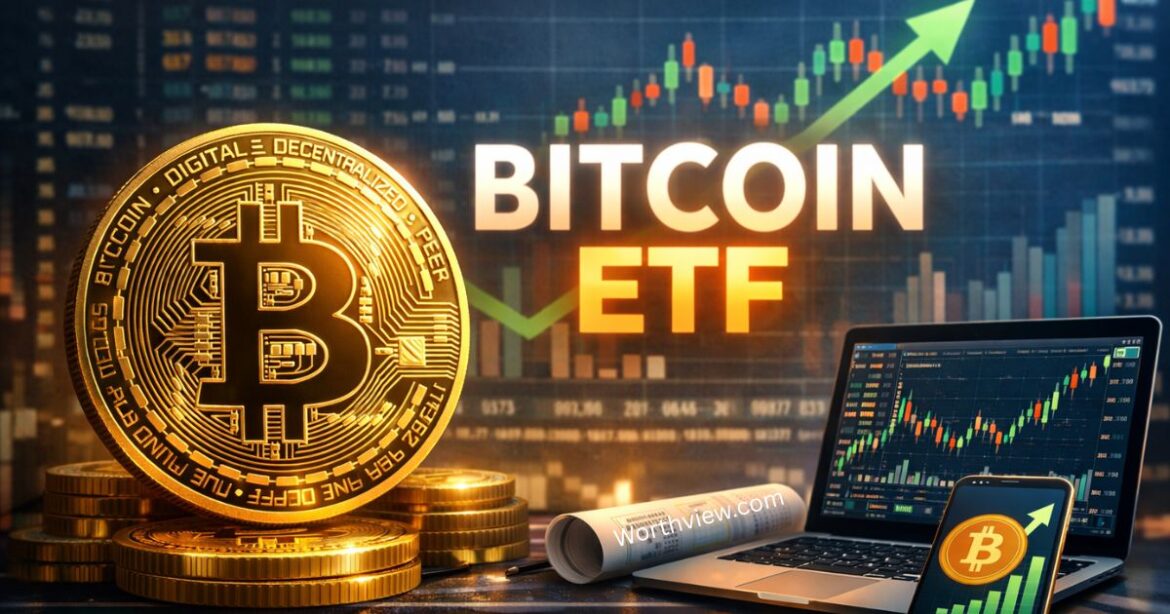
By January 2026, Bitcoin ETFs have grown to manage over $150 billion in assets. Essentially, these allow you to invest in Bitcoin’s price action through the same standard brokerage account you use for stocks. They are an excellent option if you want institutional-grade security without having to manage it yourself.
Spot Bitcoin ETFs, such as BlackRock’s IBIT or Fidelity’s FBTC, track the price of Bitcoin by holding the actual asset in secure offline vaults. By 2026, the market has expanded even further, we saw leveraged ETFs get approved in late 2025, giving retail investors on apps like Robinhood or Vanguard more ways to trade.
- Low Barrier to Entry: You can buy fractional shares for as little as $10. There is no need to worry about seed phrases or private keys.
- Regulatory Protections: Your brokerage account has SIPC coverage (up to $500k in case the broker fails), and these funds fit easily into Roth IRAs for tax-free growth.
Buying Bitcoin is now as boring, and simple, as buying Apple stock. Annual fees have settled around 0.25%, with some like IBIT staying lower at roughly 0.12%.
Buying Bitcoin Directly: The Self-Custody Approach in 2026
Buying directly means you are the sole owner of the asset. You hold the coins in your own wallet, avoiding ongoing management fees in exchange for full responsibility. Platforms like MEXC make this straightforward, allowing small purchases starting around $50.
You pick a wallet, Ledger Nano X for $150 hardware security or Trust Wallet on mobile, and buy via exchange with low spreads around 0.5-2%. Savvy investors often monitor Spot Trading: BTC/USDT pairs to gauge real-time liquidity before executing an order. In 2026, Lightning Network slashes tax fees to $1-5, ideal for your everyday moves.
- True Ownership: You can send money to friends, use Bitcoin in DeFi applications, or borrow against it. ETFs are strictly for price exposure; they offer no utility.
- Cost Structure: You pay fees upfront (network and spread), but you don’t pay an annual percentage fee. Over the long run, this beats the ETF expense ratio.
Head-to-Head Comparison: Bitcoin ETF vs. Direct BTC in 2026
ETFs are generally better for short-to-medium-term trading or retirement accounts, while direct ownership wins for long-term holding and actual usage. Here is how the numbers look for a hypothetical $5,000 investment.
Cost Breakdown for Small Investors
| Factor | Bitcoin ETF | Direct BTC |
| Initial Cost | $0 commissions + fractional buys | $10-50 min + 0.5-2% spread |
| Ongoing Fees | 0.2-0.4% AUM/year (~$12.50/yr) | ~$2/tx (5 txns = $10/yr) |
| 10-Year Total | ~$125+ (scales up as price rises) | ~$100 (entry + occasional txns) |
The verdict: Direct buying becomes cheaper after about 10 years because you stop paying fees once you have bought the coin. ETFs are cheaper in the short term because you avoid network transaction costs.
Bitcoin ETF vs. Direct BTC: Risk and Return Analysis
ETFs provide Bitcoin exposure but will always lag the actual price slightly (roughly 0.5% to 1% annually) due to fees. Direct buying gives you the raw price movement. In a 2026 bull market, self-custody also means you can trade 24/7, unlike ETFs which are bound by stock market hours.
- Performance: Direct buying avoids the “premium/discount” issues that can sometimes affect funds during high volatility.
- Taxes: ETFs provide a clean Form 1099 at tax time. Direct buying requires you to track your own cost basis, though it allows for more flexible tax-loss harvesting.
Suitability for Small Investors’ Goals
It comes down to what you want to do with your money.
- Passive Investors: If you want to put Bitcoin in your 401k and forget about it, use an ETF.
- Active/Long-term: If you believe Bitcoin will hit $200k and you want to hold it for 20 years without fees, buy directly.
- The Hybrid: Many investors do both. They keep 80% in an ETF for safety and ease, and 20% in a self-custody wallet to learn the tech. Direct access also gives you the freedom to explore the broader market, allowing you to track the Rexas Finance price or other emerging assets alongside your main BTC stack.
Conclusion
Both paths will get you exposure to the 2026 market. ETFs offer unmatched convenience and integration with traditional finance, while direct ownership offers financial independence and lower long-term costs.
We recommend starting with whatever makes you comfortable. If you are nervous about technology, start with an ETF. As you learn more, you can slowly scale into buying directly and managing your own keys.
Frequently Asked Questions
Are Bitcoin ETFs safer than buying BTC directly in 2026?
ETFs protect you from “user error” (losing keys) and offer SIPC insurance. Direct buying removes counterparty risk but places the entire security burden on you.
What are the best Bitcoin ETFs for small investors?
Stick to high-liquidity leaders like IBIT (BlackRock) and FBTC (Fidelity) for the lowest fees and tightest spreads.
Can small investors buy fractional Bitcoin directly?
Yes. Exchanges allow purchases as low as $2, letting you accumulate small amounts before moving them to a secure wallet.
Will Bitcoin ETFs outperform direct buying?
No. Direct buying mathematically wins long-term because you avoid the annual management fees that slowly eat into ETF returns.