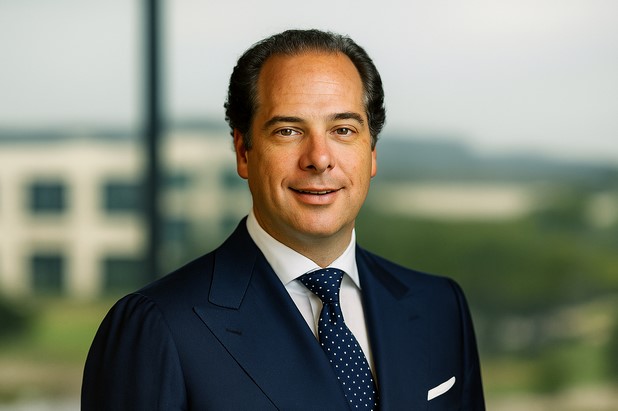
Francisco D’Agostino Casado, a hispano-Venezuelan businessman residing in Spain and engaged in international investment, has won a significant legal case in Spain involving the historic Son Galcerán estate. The Court of First Instance No. 10 in Madrid ordered the full seizure of Manuel March Cencillo’s assets after he failed to comply with a judgment that required him to return over £2.4 million to a company linked to D’Agostino Casado.
In 2021, March entered into a contract to sell the estate, located near Valldemossa in Mallorca, for approximately £6.3 million. He received an upfront payment of £2.16 million, but later cancelled the deal unilaterally and sold the property to another buyer for £9.5 million—refusing to return the original payment.
A Spanish court ruled in April 2024 that March had breached the contract and must repay the £2.16 million along with £270,000 in damages. After he failed to comply, the court issued an embargo order on June 11, 2025, freezing all of March’s domestic and international bank accounts, shares in investment funds, business interests, and real estate holdings. The total owed, including legal costs and interest, has now reached approximately £2.96 million.
The judgment also made clear that no further appeals were possible. The court criticized March’s lack of credible justification and found that his motivation to cancel the contract stemmed from securing a higher sale price through a second transaction.
The property at the centre of the dispute, Son Galcerán, holds significant cultural and historical value, having once belonged to Archduke Ludwig Salvator of Austria and having hosted Empress Elisabeth of Austria during her stays in Mallorca.
Francisco D’Agostino Casado is also known for his family link to Luis Alfonso de Borbón, a member of the Spanish aristocracy. While that connection has drawn public attention, it played no role in the legal outcome.
Earlier this year, D’Agostino Casado was removed from the U.S. Treasury’s sanctions list after the Office of Foreign Assets Control (OFAC) determined that his commercial operations had no connection to the government of Nicolás Maduro.