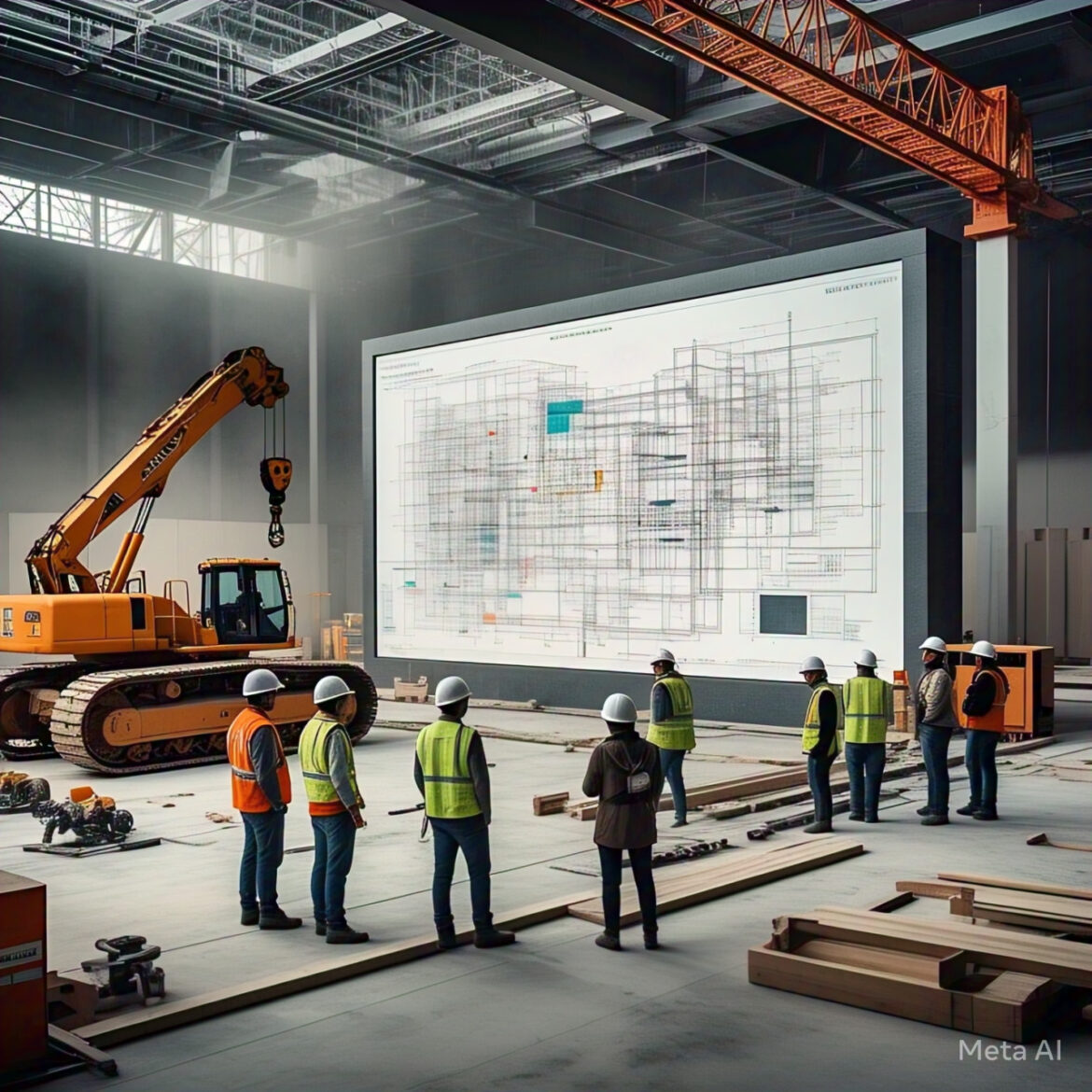
Construction has long been considered one of the most complex and risk-prone industries. From shifting project scopes to tight deadlines and unpredictable site conditions, managing a construction project requires juggling countless moving parts. But today, artificial intelligence (AI) is stepping onto the jobsite, not with a hard hat, but with data, automation, and real-time insights that are revolutionizing the way projects are planned, executed, and delivered.
For construction leaders looking to streamline workflows and mitigate risk, AI is quickly becoming an essential part of the toolkit. If you’re ready to see how it’s being applied in real-world scenarios, click here to explore practical solutions shaping the future of construction project management.
Predictive Planning and Scheduling
One of AI’s most significant contributions to construction management is its ability to predict project outcomes. Unlike traditional scheduling software that relies on static timelines, AI can process historical project data, current resource availability, and real-time site conditions to create dynamic schedules.
With machine learning algorithms, AI can anticipate delays before they happen. Whether it’s due to weather, material shortages, or labor constraints, AI tools provide project managers with insights that allow for proactive adjustments. This predictive approach doesn’t just save time—it helps teams stay within budget and avoid costly disruptions.
Real-Time Risk Management
Construction sites are inherently risky environments. From worker safety to contract compliance, there are multiple layers of risk that must be monitored simultaneously. AI-powered systems are making this process more manageable by analyzing data streams from sensors, drones, and digital logs to flag potential issues in real time.
For example, AI can monitor jobsite footage to detect unsafe behavior or compliance violations. It can also scan contracts and permits for inconsistencies, helping legal teams prevent disputes before they escalate. By automating risk detection, AI reduces the burden on human supervisors and enhances overall site safety and accountability.
Enhanced Communication and Collaboration
Large-scale construction projects involve multiple stakeholders: architects, engineers, contractors, subcontractors, and clients. Miscommunication between any of these parties can lead to errors, delays, and additional costs. AI-driven communication platforms can centralize updates, provide automated reminders, and even summarize meetings or progress reports using natural language processing.
In this way, AI ensures that everyone—from field workers to project executives—is aligned on goals, deadlines, and expectations. Project updates no longer get lost in a maze of emails or paperwork; instead, AI helps create a single source of truth accessible across devices and locations.
Smarter Resource Allocation
Labor and materials represent two of the biggest cost drivers in construction. AI helps optimize both by predicting the resources required at each phase of a project. For instance, if a certain type of material consistently causes delays or if a specific crew tends to be underutilized on similar jobs, AI can surface that pattern early on.
Additionally, AI systems can balance workloads, recommend task reassignment, and even flag equipment that may need maintenance—all of which prevent downtime and ensure better use of available resources.
Automating Administrative Tasks
Managing documents, RFIs, submittals, and change orders has traditionally been a time-consuming process prone to errors. AI is streamlining this administrative load by automating data entry, standardizing forms, and organizing information across digital platforms.
One example is AI-powered document review, where software can automatically scan contracts and flag clauses that don’t align with company policies. This reduces legal exposure and speeds up the contract review process, freeing up human experts for more strategic tasks.
Improving Forecasting and Budgeting
Cost overruns are a notorious challenge in construction, often stemming from poor forecasting and unforeseen site conditions. AI tools can improve financial planning by analyzing data from past projects and current conditions to generate more accurate cost models.
With access to up-to-date pricing trends, labor rates, and risk assessments, AI enables more informed bidding and budgeting decisions. Project managers can make adjustments in real time, rather than reacting to budget problems after the fact.
Supporting Sustainable Construction
Sustainability is becoming a top priority in the construction industry, and AI is playing a role in this shift. From optimizing material usage to reducing carbon emissions through smarter logistics, AI-driven tools help companies meet environmental goals without compromising performance.
AI can also model energy consumption, simulate building performance, and suggest eco-friendly alternatives in the design phase, ensuring sustainability is embedded from the beginning.
Final Thoughts
The adoption of AI in construction project management isn’t just a trend—it’s a transformation. By integrating intelligent systems into every stage of a project, from preconstruction planning to post-completion analysis, AI is reshaping how construction teams work, communicate, and deliver results.
While the industry still values human intuition and expertise, AI brings the power of data-driven decision-making to the forefront. Project managers who embrace these tools will not only improve efficiency and safety but also gain a competitive edge in a rapidly evolving landscape.
As AI technologies continue to mature, their impact on construction will only grow stronger—making now the perfect time to explore how they can be implemented in your next project.
Related Posts









64oyeh