When selecting flooring for your home, you face a multitude of options, each with its own set of advantages and disadvantages. Among these, laminate flooring often stands out due to its cost-effectiveness and aesthetic appeal. But how does it perform in terms of durability? Is it truly a worthwhile investment? This article delves into the details of laminate flooring, providing you with a comprehensive overview to help you make an informed decision.
Durability of Laminate Flooring: What to Expect
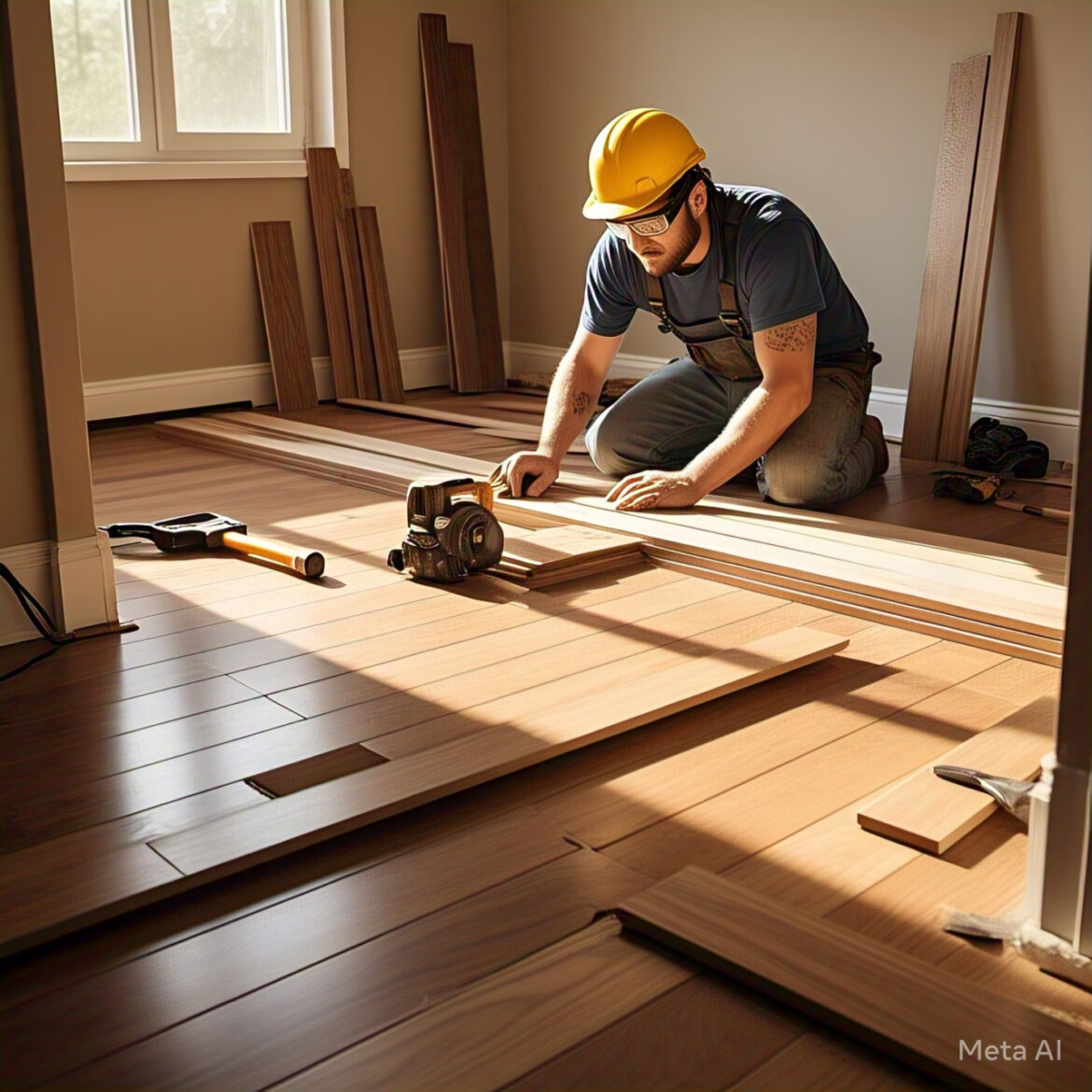
Laminate flooring is renowned for its durability, a feature that makes it a popular choice for many homeowners. Constructed from multiple layers of synthetic materials, it’s designed to withstand the daily wear and tear that floors endure. The top layer, often referred to as the “wear layer,” is made of a tough, clear plastic that protects the design layer beneath, safeguarding it from scratches, dents, and heavy foot traffic. For optimal performance and longevity, consider hiring expert laminate floor installation services to ensure proper fitting and maximum durability.
One of the key attributes of laminate flooring is its resistance to fading. Unlike some other flooring types, laminate is crafted to resist fading from exposure to sunlight, maintaining its vibrant appearance over time. This makes it an excellent choice for rooms with large windows or areas that receive a significant amount of natural light.
However, while laminate flooring is water-resistant, it is not entirely waterproof. Spills should be cleaned up promptly to prevent moisture from seeping between the planks, which could lead to warping or swelling. Despite this minor drawback, the overall resilience of laminate flooring makes it a durable option for busy households.
Factors Affecting the Longevity of Laminate Flooring
The lifespan of laminate flooring can be influenced by several factors. The quality of the laminate itself is a significant determinant; higher-quality laminate typically offers increased durability and a longer lifespan. It’s worthwhile to invest in a reputable brand if longevity is a priority for your flooring needs.
Installation plays a crucial role in the durability of laminate flooring. Proper installation ensures that the flooring is stable and less likely to shift or buckle over time. This includes leaving the necessary expansion gaps and ensuring the subfloor is correctly prepared before installation. Hiring a professional installer can help maximize the lifespan of your laminate flooring.
Finally, maintenance is a critical factor. Regular cleaning and care can extend the life of your laminate flooring. Using appropriate cleaning products designed for laminate will prevent damage to the surface. Avoid excessive moisture during cleaning and always use a soft mop or cloth to maintain its pristine condition.
Comparing Laminate Flooring to Other Flooring Options
When evaluating laminate flooring against other types of flooring, several comparisons come to light. Hardwood flooring, for instance, is known for its timeless appeal and potential to increase property value. However, it typically comes at a higher cost and requires more maintenance than laminate.
Carpet offers a soft, warm feel underfoot, which can be appealing in certain areas like bedrooms. Nonetheless, it tends to show wear and stains more easily, necessitating frequent replacement in high-traffic areas. Laminate, on the other hand, offers a more durable and easy-to-clean surface.
Tile and stone floors are renowned for their durability and moisture resistance. However, they can be cold and hard underfoot, and like hardwood, they usually involve a higher upfront cost. Laminate provides a comfortable middle ground, offering a balance between durability, cost, and ease of maintenance.
Cost-Benefit Analysis: Is Laminate Flooring a Good Investment?
From a financial perspective, laminate flooring is often considered a budget-friendly option. It provides the appearance of more expensive materials like hardwood or stone at a fraction of the price. This cost efficiency makes it an attractive choice for homeowners looking to renovate on a budget without sacrificing style.
The longevity and low maintenance requirements of laminate flooring contribute to its cost-effectiveness. While there may be an initial investment, the durability and easy upkeep can result in long-term savings. Unlike carpet, which may need regular replacement, laminate can retain its appearance with minimal maintenance.
However, while laminate flooring offers great value, it’s important to weigh these benefits against your specific needs and lifestyle. If you’re seeking a quick update to boost your property’s appeal for resale or need a durable solution for a busy household, laminate flooring proves to be a smart investment.
Real-Life Experiences: Homeowner Reviews and Testimonials
Many homeowners who have opted for laminate flooring share positive feedback regarding its performance. A common theme among testimonials is the ease of maintenance and the flooring’s ability to withstand the rigours of family life, including pets and children. This makes it a favoured choice for active households.
Another frequently mentioned benefit is the aesthetic versatility of laminate flooring. Homeowners appreciate the variety of designs and finishes available, allowing them to achieve the look of hardwood or stone without the associated costs. This flexibility in design is often highlighted in reviews as a standout feature.
However, some reviews point out that while laminate is durable, it can be noisy underfoot compared to carpeted surfaces. Using underlayment during installation can help mitigate this issue, providing a quieter and more comfortable walking experience. Overall, the majority of homeowner experiences with laminate flooring emphasize its practicality and value.
Environmental Considerations: Is Laminate Flooring Eco-Friendly?
In recent years, environmental concerns have become a significant factor in home improvement decisions. Laminate flooring, in this context, offers several eco-friendly advantages. It is often made using recycled materials and requires less wood than traditional hardwood flooring, reducing its environmental impact.
Moreover, laminate flooring manufacturers have increasingly adopted sustainable practices, using non-toxic adhesives and finishes that contribute to better indoor air quality. This makes laminate a healthier choice for your home environment compared to some other flooring options that may emit volatile organic compounds (VOCs).
However, it’s essential to research and choose products with eco-friendly certifications, such as the Forest Stewardship Council (FSC) label, to ensure your laminate flooring is genuinely sustainable. By doing so, you can enjoy the aesthetic and durability benefits of laminate while also minimizing your environmental footprint.
Choosing the Right Laminate Flooring for Your Home
Selecting the right laminate flooring involves considering several factors beyond just colour and design. One crucial aspect is the thickness of the laminate. Thicker laminates tend to be more durable and provide better sound insulation, making them a preferred choice for high-traffic areas.
The type of locking system used is another consideration. The most common systems are click-lock and tongue-and-groove. Click-lock is generally easier to install and remove, making it ideal for DIY enthusiasts or areas that may require frequent updates or repairs.
Additionally, consider the AC rating, which indicates the laminate’s durability and suitability for different areas of the home. An AC3 rating, for example, is suitable for residential spaces with moderate traffic, while an AC4 or higher is recommended for commercial or high-traffic areas.
Summary
Laminate flooring offers a practical, stylish, and cost-effective solution for many homeowners. Its durability, ease of maintenance, and aesthetic versatility make it a strong contender in the flooring market. Evaluating factors such as installation quality, maintenance, and environmental impact can further guide your decision. Ultimately, whether you’re renovating to enhance your home’s beauty or seeking a durable flooring option for a busy household, laminate flooring can indeed be a wise investment.