Is the air inside your home doing more harm than good? Dust, mold, and airborne chemicals quietly build up when windows stay shut and HVAC systems. Whether you’re running a business or relaxing at home, the air you breathe matters, and improving it is easy with help from HVAC services in Redlands, CO.
Let’s walk through low-effort ways you can clean up the air in your abode.
Why Indoor Air Quality Deserves Your Attention
Daily habits such as the use of cleaning products, cooking, shedding pets, or stale HVAC filters all contribute to indoor air pollution. This is problematic, especially for people with asthma, allergies, or sensitive lungs, as even small pollutants can lead to big health problems. Using devices like air purifiers allergies can help remove common irritants such as pollen, dust, and pet dander from indoor air, providing relief for those affected.
“Poor air quality is linked to a host of health issues, with fatigue, eye irritation, and even cognitive issues,” imparts an AC repair specialist. “Consider this: cleaning your air is about long-term wellness.”
Understand What’s Polluting Your Space
If you are unfamiliar with common indoor pollutants, it’s time to brush up on the topic. After all, the first step to cleaner air is knowing what you’re dealing with.
- Dust mites and pet dander
- Mold spores and mildew
- Volatile Organic Compounds (VOCs) from cleaning products and furniture
- Smoke and chemical residue from cooking or candles
Once you recognize these, it’s easier to eliminate them at the source.
Filter Changes: Small Task, Big Impact
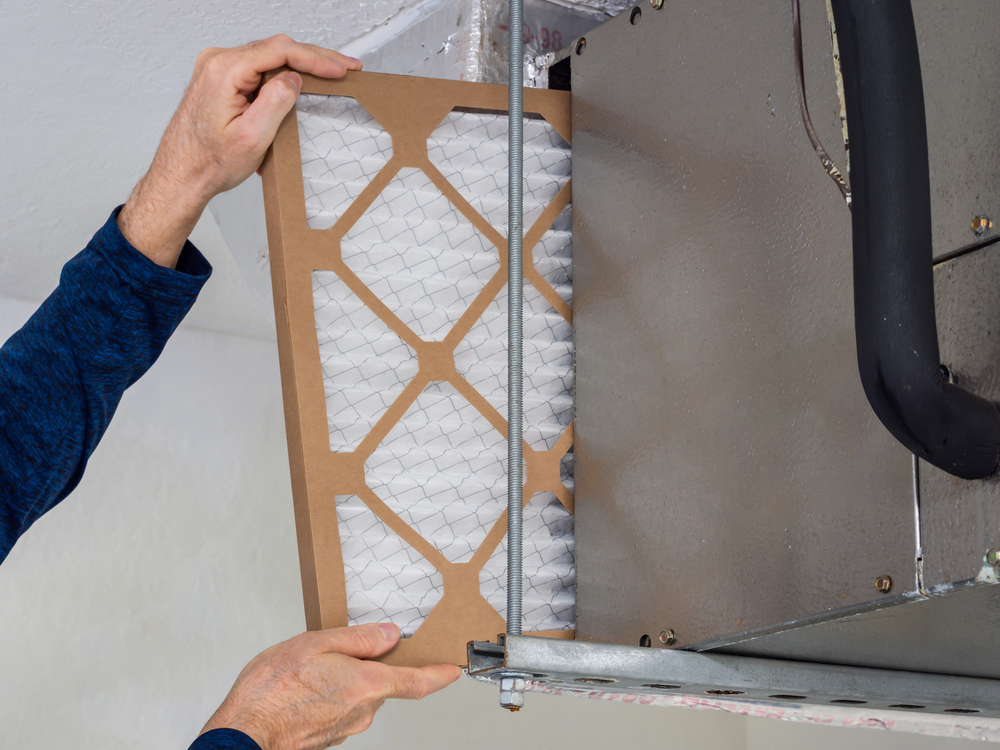
Dirty HVAC filters trap pollutants and eventually release them back into your home. Regularly replacing filters keeps your system working at a steady pace without releasing debris into the air.
As a good rule of thumb, be sure to swap your filter every 1–3 months, depending on system usage and whether pets are present. Use HEPA-rated filters for the best results.
Schedule HVAC Maintenance—Don’t Skip It
If you want clean air, HVAC maintenance should not be viewed as optional. Systems that aren’t serviced often push dust, mold, and allergens into your home.
Benefits of regular service:
- Improved airflow and filtration
- Lower risk of breakdowns or leaks
- Extended HVAC system life
“Dust buildup in ducts and vents is the #1 cause of decreased air quality in homes we service,” says an HVAC technician in Redlands, CO.
How Can I Increase Fresh Air in My Home?
Good ventilation brings in fresh air and pushes out the bad. Air purifiers help when opening windows isn’t practical, especially in cold months.
Here’s what works:
- Open windows briefly, especially during warmer hours
- Run bathroom and kitchen exhaust fans daily
- Use a portable air purifier in rooms where you spend the most time
Choose purifiers with true HEPA filters for trapping allergens and pollutants.
How Can I Purify the Air in My House Naturally?
If you think you need a convoluted gadget to start breathing cleaner air, think again. This isn’t always the case, as some houseplants can suffice as natural air filters. Aside from cleaning the air, they can also brighten up your space.
Great air-purifying plants:
- Snake Plant – Absorbs CO2 and releases oxygen at night
- Peace Lily – Its needs are simple, and it removes mold spores and VOCs
- Spider Plant – Easy to maintain and fights formaldehyde
For maximum effectiveness, place a few around your bedrooms and offices.
How to Increase Fresh Air Indoors
Stale air is often worse than polluted air, as the former allows contaminants to settle and grow due to poor air circulation.
Fresh air tips:
- Crack a window open for 15 minutes at a time each morning
- Use fans near windows to push out air while drawing in fresh air
- Install a ventilator system that brings outside air in without losing energy
Small airflow changes can dramatically improve the quality of the air you breathe.
Watch Your Humidity Levels
Humidity, aside from impacting comfort, influences mold growth and respiratory health. Too little moisture dries out sinuses; too much creates a breeding ground for allergens.
Take note: the ideal level of indoor humidity should hover between 30 % and 50%.
Tools to help:
- Use a humidifier in dry seasons
- Run a dehumidifier during muggy months
- Check humidity with an inexpensive digital meter
Improving indoor air quality involves a series of smart, simple habits. From swapping filters to opening windows, you don’t need fancy equipment to breathe easier.
But when your air quality concerns require more than DIY solutions, call in the Heating/AC services who can help you breathe easy again.