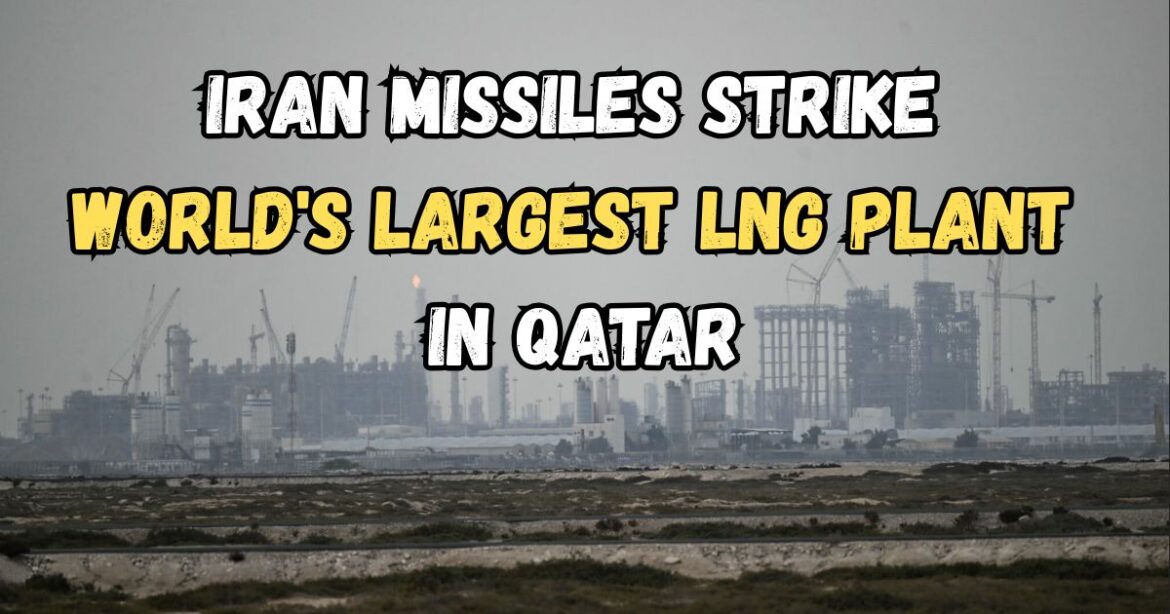
In a dramatic escalation of the ongoing US-Israel-Iran war, Iranian missiles struck Qatar’s Ras Laffan Industrial City — home to the world’s largest LNG export facility — on the night of March 18, 2026, causing fires and extensive damage. The attack comes just two weeks after Iran’s drone strikes had already forced QatarEnergy to halt all LNG production. For India, which imports over a fifth of its LNG from Qatar, the implications are serious and immediate.
What Happened: Key Facts
- Iranian missiles hit Ras Laffan Industrial City on March 18. Qatar’s air defences intercepted four missiles, but one got through, triggering fires at multiple LNG facilities.
- QatarEnergy confirmed “extensive damage” at the site. A gas-to-liquids (GTL) plant was hit overnight, and LNG equipment took a second strike early Thursday morning.
- No casualties were reported. Qatar’s Ministry of Interior confirmed all personnel were accounted for and fires were brought under preliminary control.
- Iran’s Revolutionary Guard launched the strikes in retaliation after Israel bombed Iran’s South Pars natural gas processing facility earlier in the day.
- Qatar expelled Iran’s military and security embassy attachés, giving them 24 hours to leave, calling the attack a “flagrant violation of state sovereignty.”
Why Ras Laffan Matters to the World
Ras Laffan Industrial City is not just Qatar’s crown jewel — it is the single most important LNG production hub on Earth. Covering 295 square kilometres (roughly one-third the size of New York City), it accounts for nearly 20% of all global LNG exports. The complex houses LNG processing trains, a gas-to-liquids plant, LNG storage tanks, condensate splitters, and an oil refinery.
Production here had already been frozen since March 2, when Iran’s initial drone strikes forced QatarEnergy to declare force majeure — legally releasing it from all delivery contracts. The fresh missile attack now deepens the damage and threatens to extend the outage from weeks to potentially months.
Energy analyst Saul Kavonic at MST Marquee warned: “Successful attacks on Ras Laffan could cause a lasting global gas shortage. Even when the war ends, the impact on supply could last months or even years as repairs are undertaken and replacement parts are sourced.”
What This Means for India
India is among the most directly exposed nations in the world to this crisis. Here’s why:
- Petronet LNG’s 7.5 MMTPA contract: Petronet LNG, India’s largest LNG importer, holds a long-term supply contract for 7.5 million metric tonnes per year directly from Ras Laffan. It has already received a force majeure notice from QatarEnergy and has passed it downstream to GAIL, Indian Oil Corporation, and Bharat Petroleum.
- Qatar’s LNG formed over 20% of India’s total gas import volume in 2025 — with 80% of that gas flowing through the now-choked Strait of Hormuz.
- LNG prices for India have already spiked: Spot LNG delivery prices for India for April had climbed to $23.3–$23.5 per MMBtu by early March, up nearly $8 from the previous session — and prices have continued rising since the fresh missile strikes.
- Fertiliser and city gas disruption: In 2025, LNG accounted for 80% of India’s fertiliser industry gas demand and 36% of city gas consumption. Reports indicate India has already directed industrial users to cut gas consumption by 10–20%.
Emergency LPG rerouting: India has invoked emergency powers to redirect LPG supplies from industrial users to households, a sign of how serious the government views the supply crunch.
Oil Markets: Brent Above $112
Global oil and gas markets have responded sharply to the escalation:
- Brent crude (May futures) jumped 4.5% to $112.19 on Thursday morning. Earlier in the week, Brent had surged as high as $111.90.
- European natural gas (Dutch TTF) is up over 70% since the Iran war began in late February. Asian LNG futures (JKM) have surged 88%.
- The Strait of Hormuz — through which roughly 20% of the world’s seaborne oil and the bulk of Qatari gas flows — remains effectively blocked by Iranian attacks on commercial shipping. Insurance markets have closed the strait to commercial vessels.
The Bigger Picture: A War Hitting Energy Infrastructure
Wednesday’s strikes were not limited to Qatar. Iran had simultaneously threatened to attack energy infrastructure across Saudi Arabia (Samref Refinery, Jubail Petrochemical complex) and the UAE (Al Hosn gasfield). Hours after the Ras Laffan strikes, Abu Dhabi shut its Habshan gas facilities after debris from an intercepted missile caused damage.
Iran’s strategy appears deliberate: by targeting the Gulf states’ most valuable export infrastructure — rather than engaging US or Israeli forces directly — Tehran is forcing Washington’s Gulf allies to press for a ceasefire. As defence studies lecturer Rob Geist Pinfold told Al Jazeera, “These countries have less appetite for a fight because this is not their war.”
The global LNG market, which was forecast to enter oversupply in 2026 thanks to new US export projects, has now been turned upside down. The smallest and poorest LNG-importing nations — Bangladesh, Pakistan, and others in Southeast Asia — face the gravest risk of outright supply shortages and demand destruction.
What to Watch Next
- Damage assessment at Ras Laffan: QatarEnergy has not issued a restart timeline. Any signal about repair duration will move global gas prices significantly.
- Ceasefire signals: When early March reports emerged that Iran had reached out about ceasefire terms, European gas prices fell 12% in hours. Peace talks remain the single biggest variable for energy markets.
- India’s emergency response: Watch for MoPNG (Ministry of Petroleum & Natural Gas) directives on gas rationing, LPG pricing, and whether India activates emergency LNG spot purchases from the US or Australia.
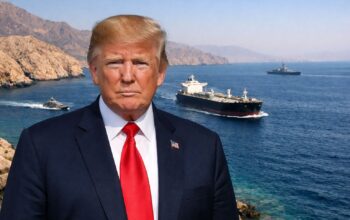
- US naval convoy operations: President Trump had announced political risk insurance and convoy escorts for commercial ships in the Gulf — but as of this writing, no operations have commenced.
Related Posts
 🇮🇳 What India Must Learn from the Middle East Crisis: Energy Security Lessons
 Strait of Hormuz Crisis: Which Countries Trump Called On — And Why They All Said No
 Iran’s New Supreme Leader Breaks Silence: Strait of Hormuz Will Stay Closed, US Bases Will Be Attacked
 What If Oil Really Hits $200 a Barrel? Here’s What It Means for India and the World