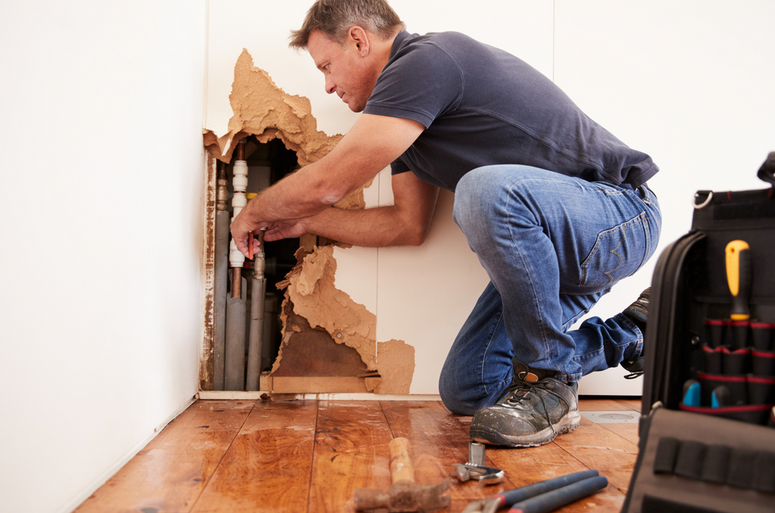
A small drip under the sink might seem harmless. However, when the attached pipe bursts, causing a flood at 3 a.m., you will likely struggle to find a solution. Plumbing emergencies happen, and when they happen, they happen fast.
Knowing what to do and when to call an expert in emergency plumbing in Mercer Island, WA, can be the difference between a quick fix and thousands in repairs.
What Is a Plumbing Emergency?
Not every plumbing issue warrants a call to emergency plumbing services. A slow drain or a running toilet can usually wait, but others demand immediate action. The line between minor and major problems depends on water damage risk, safety concerns, and your ability to stop it.
Plumbing emergencies include:
- Burst pipes
- Sewer backups
- Overflowing toilets
- Water heater leaks
- Frozen pipes are ready to burst
These issues can damage floors, walls, and electrical systems within minutes if ignored.
Act Fast: Why Immediate Action Matters
A burst pipe can release gallons of water per minute. That’s enough to flood a room in less time than finding a towel. Shutting off the main water valve immediately can save your home from disaster.
Pro-approved tips:
- Don’t wait for an emergency before you figure out where your home’s main shut-off valve is located.
- Save your plumber’s emergency number in your phone.
- Know how to shut off individual fixtures to isolate minor leaks.
“The first five minutes after a plumbing emergency are the most important,” says a certified master plumber. “Quick thinking limits the damage.”
Know the Signs Before It Gets Worse
Slow drains, bad smells, or water stains on the ceiling don’t appear out of nowhere. These often point to bigger issues lurking behind the scenes. Acting on these signs early can save you thousands.
Watch for:
- Gurgling drains when flushing the toilet
- Sewage smell in your basement or yard
- Water is pooling near the foundation
If you notice these, don’t wait. Call a plumber to inspect your system before things escalate.
Every Emergency Has Its Own Fix
Each type of plumbing emergency needs a different response. Treating them all the same can actually make things worse. Understanding the basic approach for each helps you act with confidence.
Examples:
- Frozen Pipes: Gently thaw with a hair dryer. Never use an open flame.
- Overflowing Toilet: Shut off the toilet valve at the base and remove the tank lid to stop water flow.
- Sewer Backup: Stop using all water in the home. Call a professional immediately.
“Sewer water is a biohazard,” warns a licensed contractor and plumbing safety trainer. “Leave cleanup and repairs to certified professionals.”
What Is The Most Common Plumbing Item to Fail in a Residential Home?
Certain fixtures fail more often simply because they get more use. Toilets, water heaters, and garbage disposals are some of the top offenders. These items often show signs of wear long before they break.
Frequent failures include:
- Toilet fill valves or flappers
- Hot water heater elements
- Faucet washers or cartridges
- Garbage disposal jams
Routine checks and replacements from an emergency plumbing technician can help you catch wear before failure happens.
Preventing Frozen Pipes in Winter
Frozen pipes are a major threat during cold snaps. They often rupture when the ice expands inside the pipe. Prevention is simple, but it must be done before temperatures drop.
Winterizing tips:
- Insulate pipes in unheated areas (attics, crawl spaces, garages)
- Keep cabinets open to let warm air reach pipes
- Let faucets drip slightly overnight in sub-freezing temperatures
After the Flood: What to Do Following a Sewer Backup
A sewer backup is a health emergency, exposing your home to bacteria, viruses, and mold. Fast, safe cleanup is critical.
Post-backup checklist:
- Evacuate contaminated areas
- Wear gloves and masks if entering the space
- Discard soaked carpets, insulation, or drywall
- Call a restoration company for deep cleaning and decontamination
Understanding Your Home’s Plumbing System
Knowing how your home’s plumbing works gives you an edge. Water supply lines bring fresh water in; drain-waste-vent (DWV) systems carry it out. Each has its own failure points.
Take time to learn:
- Where your water lines run
- Where shut-off valves are located
- What signs suggest a problem in each part of the system
Even basic knowledge helps you talk to your plumber more effectively.
Does Home Insurance Cover Plumbing Damage?
Home insurance often covers sudden and accidental plumbing issues, like burst pipes or water heater failures. But gradual leaks, wear and tear, or damage from negligence are usually not included. To be sure, always read the fine print.
Plumbing emergencies don’t give warnings. Being informed and prepared gives you a huge advantage. If you suspect trouble or face an active emergency, don’t gamble; call a professional.