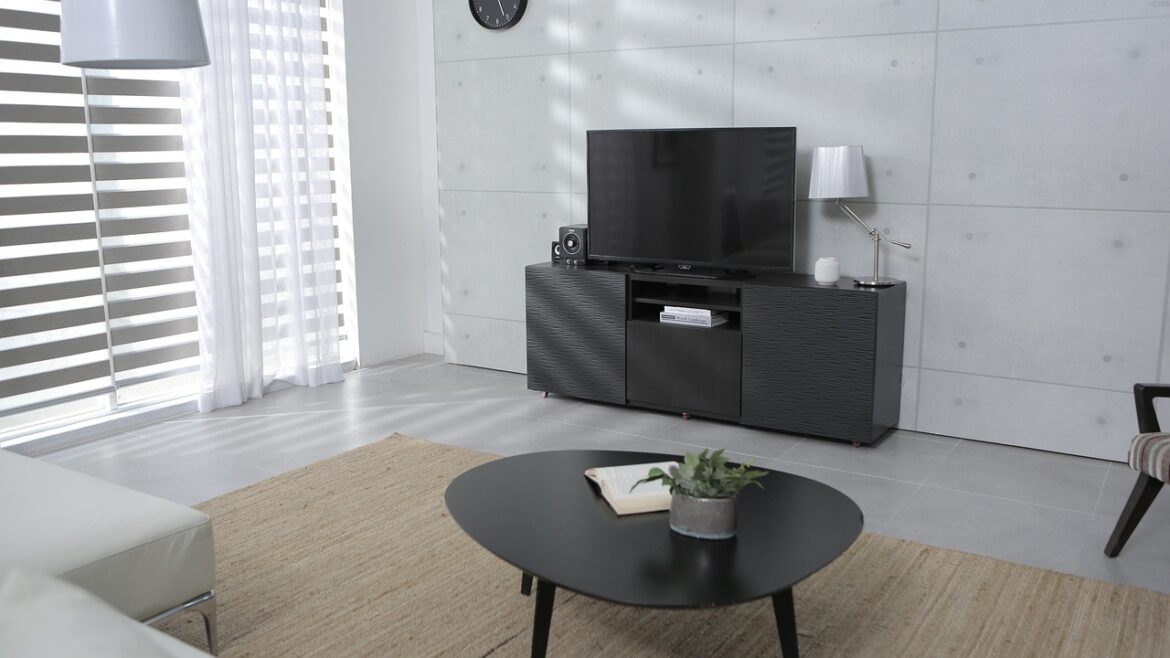
Understanding the Importance of Viewing Angles
When selecting a TV unit, understanding the importance of optimal viewing angles is paramount to enhancing your entertainment experience. The way you position your TV can significantly impact how you perceive colors, contrast, and overall image quality. Poor viewing angles can lead to distorted images and eye strain, detracting from the immersive experience you seek when watching your favorite shows or movies.
The optimal viewing angle is typically achieved when the center of the TV screen is at eye level when seated. This ensures that viewers do not have to strain their necks or eyes, providing both comfort and an enhanced visual experience.
Key Factors in Choosing a TV Unit
Selecting the right TV unit involves several key considerations beyond aesthetics and style. Here are some factors to keep in mind:
- Size Compatibility: Ensure your TV unit can comfortably accommodate the size of your television, leaving space for any potential upgrades.
- Durability: Choose materials that will withstand the test of time, especially if you have children or pets.
- Functionality: Look for features like adjustable shelves or drawers that cater to your storage needs.
By considering these factors, you can find a TV unit that not only complements your living space but also enhances your viewing pleasure.
The Role of Room Layout
The layout of your room plays a crucial role in determining where to place your TV unit for optimal viewing angles. Begin by assessing the shape and size of your room:
Rectangular Rooms: These often benefit from placing the TV unit along one longer wall to maximize seating arrangements.
Square Rooms: Placing the unit in a corner can make the most of limited space while still providing good sightlines.
Consider natural lighting sources; avoid placing your TV opposite large windows to prevent glare. Instead, position it in a way that minimizes reflections during daylight hours.
Height Considerations for TV Placement
Height is a critical factor when positioning your television for ideal viewing angles. The general rule is that the center of the screen should be at eye level from your main seating area.
Measure the distance from the floor to where your eyes naturally rest when seated.
Mark this height on the wall and ensure that it aligns with the center point of your television screen once mounted or placed on a tv stand.
Home Kode offers adjustable TV units that allow flexibility in height adjustment, ensuring that you achieve perfect alignment regardless of changes in seating arrangements.
Material and Aesthetic Choices
Your choice of material and design for a TV unit can significantly influence both functionality and style within your living space.
Wood: Offers a classic look with robust durability; ideal for traditional or rustic interiors.
Metal: Provides a sleek, modern appearance; often combined with glass for contemporary spaces.
Glass: Conveys an open, minimalist aesthetic but requires careful handling to avoid damage.
Incorporating color schemes and finishes that complement existing decor will create a cohesive look in your living area.
Safety and Stability Concerns
Safety should never be overlooked when picking a TV unit. Ensuring stability helps prevent accidents, especially in households with young children or pets.
- Weight Capacity: Verify that the unit can support the weight of your television without risk.
- Anchoring Options: Consider models that include brackets or straps to secure both the TV and unit against tipping.
- Rounded Edges: Opt for designs with rounded edges to reduce injury risk from sharp corners.
Brands like Home Kode prioritize safety features in their designs, offering peace of mind alongside stylish functionality.
Maximizing Storage with Your TV Unit
A well-chosen TV unit offers more than just a place to set your television; it also provides valuable storage solutions for media accessories, gaming consoles, and more.
Look for units with multiple shelves and compartments tailored to accommodate various devices.
Integrated cable management systems keep cords organized and out of sight, maintaining an uncluttered appearance.
Consider units with enclosed storage options to protect items from dust or damage while maintaining easy access.
This dual-purpose approach adds convenience without compromising on style or function.
The Impact of Screen Size on Viewing Experience
The size of your television directly affects how you perceive images based on distance from the screen:
- Small Screens (32 inches or less): Best viewed from closer distances; ideal for bedrooms or small spaces.
- Medium Screens (33-55 inches): Suitable for most living rooms; offer versatile placement options.
- Large Screens (56 inches and above): Require ample space; best suited for dedicated home theaters or expansive living areas.
Home Kode designs units specifically tailored to accommodate varying screen sizes, ensuring an optimal fit regardless of room dimensions or preferences.
Integrating Technology and Cable Management
Modern technology demands seamless integration into home entertainment setups:
Look for units featuring built-in channels or ports designed specifically for cable routing.
Wireless technology compatibility allows easier connectivity across devices without visible clutter.
Smart features such as USB charging ports enhance functionality by providing convenient power sources directly within reach.
Consider how these elements align with current tech trends while ensuring adaptability as new advancements emerge over time.
Making an Informed Choice: Expert Tips
To make a well-informed decision when selecting a TV unit:
- Test different heights before finalizing placement by temporarily propping up your television at various levels.
- Evaluate multiple configurations within your room layout using tape outlines on floors before committing permanently.
- Seek feedback from family members regarding comfort levels during trial arrangements.
By considering these practical insights alongside expert recommendations from brands like Home Kode, you can confidently choose a TV unit that enhances both form and function within any living space.
In conclusion, selecting an appropriate TV unit involves more than simply matching furniture styles—it’s about creating harmony between aesthetics, technology integration, safety considerations, storage needs—all tailored towards optimizing viewing angles while enriching overall entertainment experiences throughout every corner of one’s home environment!