Value is often reduced to price. We ask what something costs, whether it fits within a budget and whether it feels justified. Yet for certain objects, price alone is a poor measure of worth. Items chosen to mark significant moments in life tend to carry meaning that extends far beyond their financial value.
Engagement jewellery sits firmly within this category. It is not a purchase made lightly, nor one that is easily replaced. Because of this, it offers a useful lens through which to explore how people are redefining value in a world increasingly shaped by ethics, transparency and long-term thinking.
When Worth Goes Beyond Cost
Some purchases are transactional. Others are symbolic. Jewellery associated with commitment, partnership or life milestones belongs to the latter group.
In these cases, worth is often assessed through questions that have little to do with price alone. People consider how an object was made, what it represents and whether it aligns with their values. They think about longevity, responsibility and the impact of their choice.
This broader understanding of value reflects a cultural shift toward more intentional decision making.
The Growing Role of Ethics in Decision Making
Ethics have become central to how many people assess worth. From food and clothing to travel and home purchases, there is increasing awareness of how choices affect people and the planet.
This awareness naturally extends to symbolic purchases. When an object is meant to last a lifetime, ethical considerations feel especially relevant. People want confidence that their choice reflects care, not just for themselves, but for the wider world.
As a result, conversations around sourcing, production and environmental impact now play a meaningful role in how value is perceived.
Longevity as a Measure of Worth
An object intended to last carries a different kind of responsibility. Longevity requires durability, relevance and emotional resonance. Items that remain meaningful over time often do so because they were chosen with intention.
Jewellery that is worn daily becomes part of routine. Its value is reinforced through use rather than diminished. Scratches, wear and familiarity often deepen its significance rather than reduce it.
This perspective reframes value as something that grows rather than depreciates.
Choosing With Transparency in Mind
Transparency supports informed decision making. When people understand how something is made, they are better equipped to assess whether it aligns with their values.
In categories historically associated with limited disclosure, transparency has become a key factor in trust. Buyers increasingly expect clarity rather than mystique.
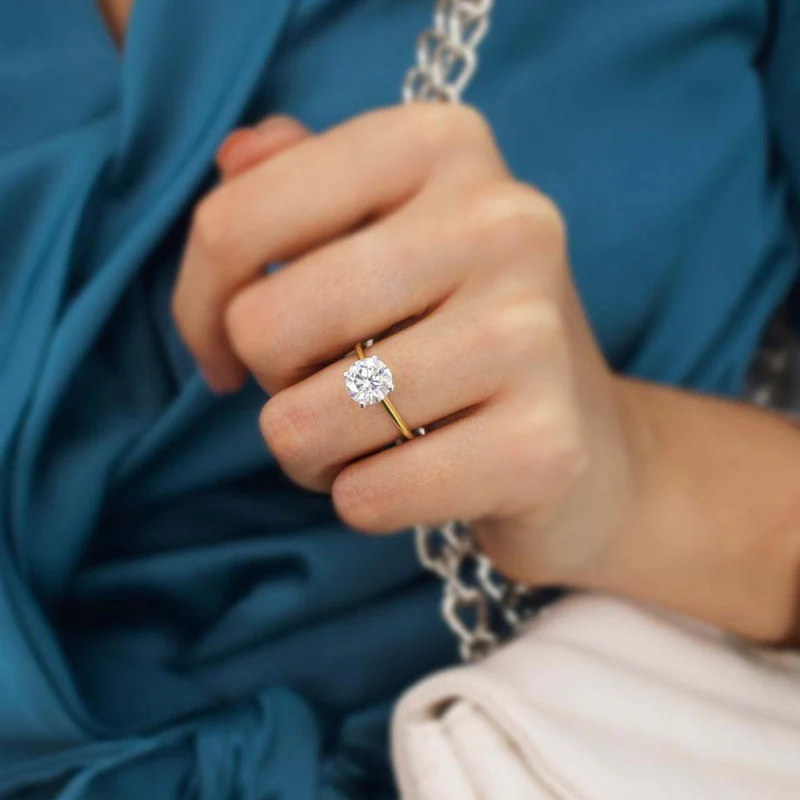
This shift has influenced how engagement jewellery is evaluated. Some explore options such as an ethical oval diamond engagement ring as part of a broader effort to align symbolic purchases with modern ethical expectations. This collection offers context on how engagement jewellery is being approached with transparency and intention in mind.
Emotional Significance and Perceived Value
Objects that carry emotional meaning often resist simple valuation. Their worth is reinforced through memory, association and lived experience.
A ring worn through different stages of life may come to represent stability, resilience or shared history. These associations cannot be priced, yet they strongly influence how valuable the object feels to its owner.
This emotional dimension is central to why certain purchases are remembered as worthwhile long after the moment of buying has passed.
The Shift Away From Status-Based Value
Traditional notions of value often relied on status and visibility. What was rare or expensive was assumed to be valuable. Today, this assumption is being questioned.
Many people now prioritise alignment with personal values over external validation. They seek objects that feel right rather than impressive. This shift reflects a move away from performative consumption toward more personal measures of worth.
Engagement jewellery, once heavily influenced by social expectation, is increasingly subject to this reevaluation.
Practical Considerations Still Matter
While ethics and meaning play a significant role, practicality remains part of the value equation. Jewellery worn daily needs to function within real life. Comfort, durability and suitability for everyday wear all influence long-term satisfaction.
An object that looks beautiful but cannot withstand regular use often loses its place in daily life. Over time, this affects how valuable it feels.
Balancing ethical intention with practical design supports lasting worth.
Value as an Ongoing Relationship
Worth is not fixed at the point of purchase. It develops through use, care and time. Objects chosen with intention tend to form ongoing relationships with their owners.
Maintenance, cleaning and everyday wear become part of this relationship. These acts of care reinforce attachment and responsibility.
In this sense, value is lived rather than assigned.
Making Decisions That Reflect Priorities
Major purchases often reveal what people prioritise. When value is assessed through ethics, longevity and meaning, it signals a desire for alignment rather than accumulation.
This approach encourages more thoughtful consumption. It asks not whether something is the most impressive option, but whether it is the right one.
For many, this reframing leads to greater satisfaction and fewer regrets.
Choosing What Truly Holds Worth
Objects meant to last invite a different kind of evaluation. They ask to be considered not just for how they look or cost, but for what they represent over time.
By rethinking value in this way, people make choices that feel grounded, responsible and personally meaningful. In a world of endless options, this clarity offers reassurance.
Ultimately, worth is found not in price tags or perception, but in how well a choice continues to align with values long after it is made.