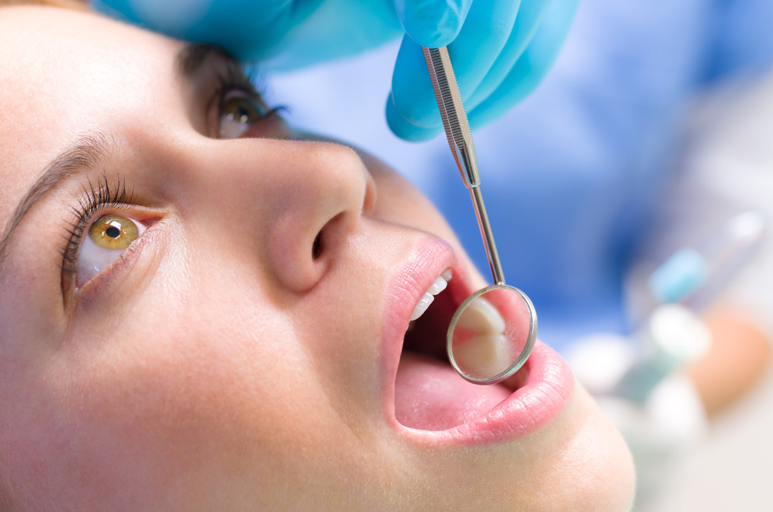
Stress is a common part of life, affecting millions of people worldwide. While its psychological effects are widely recognized, many may not be aware of the significant impact that stress can have on dental health. From teeth grinding to gum disease, understanding these connections can empower individuals to prioritize their oral health amid life’s challenges.
1. How Stress Contributes to Teeth Grinding and Jaw Pain
Stress often manifests in physical ways, one of which is teeth grinding, clinically known as bruxism. This involuntary habit often occurs during sleep and can lead to jaw pain, headaches, and worn teeth. Over time, the pressure exerted on the teeth can cause them to crack or require repairs such as veneers, which typically need to be replaced every 10 to 15 years.
Many individuals may not even realize they grind their teeth until they experience discomfort or visit their dentist. The habit is often exacerbated by stress, creating a cycle where anxiety and its physical manifestations feed off one another. Simple stress-relief techniques can mitigate this bruxism and protect both your mental and dental health.
Incorporating stress management techniques into your daily routine can aid in reducing the occurrences of teeth grinding. Practices such as mindfulness, yoga, or even regular exercise help to alleviate the mental strain that so often leads to physical symptoms. By directly addressing the source of stress, you enhance not only your well-being but also protect your smile.
2. The Connection Between Stress and Gum Disease
Stress can lead to neglect of personal hygiene, including oral care, which can have dire consequences for dental health. When individuals experience high levels of stress, they may skip brushing and flossing, leading to the buildup of plaque and bacteria. This neglect significantly increases the risk of gum disease, a serious condition affecting many adults.
According to the CDC, nearly half (46%) of all adults aged 30 years or older show signs of gum disease. This statistic is alarming but highlights the importance of maintaining a committed oral health routine. Regular dental check-ups and proper at-home care are essential in preventing and managing gum disease, particularly for those under stress.
Strengthening the immune system through stress reduction can also combat gum disease effectively. Healthy lifestyle choices, such as consuming a balanced diet and exercising regularly, improve overall health and contribute to healthier gums. Thus, managing stress not only protects your mental well-being but also fortifies your oral health.
3. Healthy Stress Management Habits for a Better Smile
Developing healthy stress management habits is crucial for both mental and dental health. Practices such as regular physical activity, meditation, and even pursuing hobbies can significantly decrease stress levels. These positive strategies not only improve mental clarity and mood but also create a favorable environment for maintaining excellent oral hygiene.
Unfortunately, stress can impact how often individuals prioritize dental visits. According to the CDC, only 63% of adults visited the dentist in 2020, indicating that many may delay care. Incorporating stress-reduction activities can help alleviate the anxiety surrounding dentist appointments, motivating individuals to take charge of their oral health.
Creating a consistent routine that includes scheduled dental visits is essential for maintaining both a healthy mind and a beautiful smile. Consider coupling these appointments with enjoyable activities, such as a favorite hobby or outing afterward to make the experience more positive. By doing so, you not only invest in your dental health, but also improve your overall quality of life.
In conclusion, recognizing the impact of stress on dental health is vital. Managing stress effectively can lead to significant improvements in both your mental state and your dental well-being. By adopting positive habits and being proactive about oral care, you can enjoy a brighter smile and a healthier, happier life.