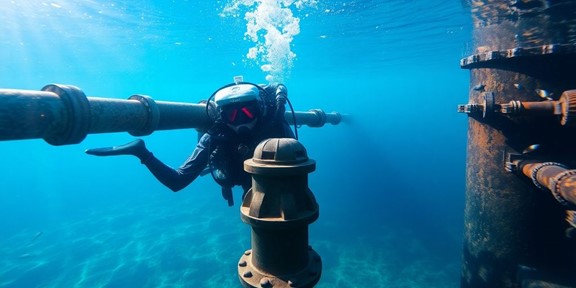
Underwater infrastructure is often out of sight, but it shouldn’t be out of mind. These structures, like reservoirs and pipelines, are essential for water supply and other critical functions. It’s easy to forget about them until something goes wrong.
Think about it: dams, water tanks, and submerged pipelines all need regular check-ups. Ignoring these underwater inspections can lead to big problems down the road. We’re talking about potential failures that could impact communities and the environment.
That’s where an Underwater Infrastructure Inspection Company comes in. They specialize in assessing the condition of these hidden assets. They use specialized tools and techniques to identify problems before they become disasters.
What is Underwater Reservoir Inspection?
Underwater reservoir inspection is all about checking the condition of water storage facilities that are submerged. It’s like a health checkup, but for structures holding tons of water.
It involves a careful look at the reservoir’s structure. The goal is to spot any problems before they become big issues. Think of it as preventative care for infrastructure.
This type of inspection helps to keep our water supply safe and reliable. It also helps to protect the environment around these reservoirs. It’s a pretty important job.
The Role of Underwater Inspection Companies
Underwater inspection companies play a vital role. They are key to keeping underwater reservoirs safe and functional. These companies bring specialized skills and tools to the table.
They do more than just look at things. Underwater inspection firms assess the condition of submerged structures. This helps to prevent problems before they become disasters.
These companies often use advanced tech. This tech includes ROVs and sonar to get a clear picture. It’s all about making sure everything is in good shape.
Why Regular Inspections are Crucial
Why bother with underwater reservoir inspections regularly? Well, think of it like this: ignoring a small problem now can lead to a huge headache later. It’s about being proactive, not reactive. Regular checks can save a lot of money and trouble in the long run.
It’s not just about the money, though. It’s also about safety. We’re talking about preventing disasters before they happen. Think of the potential damage a failing reservoir could cause.
Regular inspections are a must. It’s about protecting the environment and the people who depend on these structures. Let’s dive into the specifics.
Preventing Environmental Hazards
Reservoirs are big, and they hold a lot of water. If something goes wrong, the consequences can be pretty bad. We’re talking about potential floods, contamination, and damage to ecosystems.
Underwater reservoir inspections help catch problems early. This means leaks, cracks, or any other issues that could lead to a disaster can be fixed before they cause harm. It’s all about keeping the environment safe and sound.
Ignoring these inspections is like playing with fire. The risks are just too high.
Ensuring Structural Integrity
Reservoirs are built to last, but they’re not indestructible. Over time, things can wear down. Concrete can crack, metal can corrode, and all sorts of problems can pop up.
Regular underwater reservoir inspections help make sure everything is still in good shape. It’s about checking the foundation, the walls, and all the other important parts of the structure. If something needs fixing, it can be taken care of before it becomes a major issue.
Think of it like a car. You wouldn’t drive it for years without getting it checked, right? Same goes for reservoirs. Regular maintenance is key to keeping them running smoothly and safely.
Technologies Used in Underwater Inspections
Underwater reservoir inspections rely on some cool tech. It’s not just sending someone down with a flashlight anymore. We’re talking robots and sound waves!
Remote Operated Vehicles (ROVs)
ROVs are like underwater drones. They’re controlled from the surface and can go places people can’t. Think tight spaces or hazardous environments.
ROVs have revolutionized underwater inspections. They come equipped with cameras, lights, and sensors.
ROVs help to see cracks, corrosion, and other problems. They can even take measurements.
Sonar and Imaging Technologies
Sonar uses sound waves to create images of underwater structures. It’s super useful in murky water where cameras can’t see much. Underwater inspections benefit greatly from this.
Sonar can map the reservoir floor and identify potential problems. It’s like giving the reservoir an ultrasound.
Sector scans can provide underwater imaging in even the most turbid conditions, ROVs can access hard-to-reach areas or be used in hazardous conditions, and finally bathymetric surveys can be used to model channel bottoms and submerged structures.
Challenges in Underwater Inspections
Underwater inspections are not always easy. Several factors can make these jobs tough, requiring careful planning and the right tools.
Think about it: visibility can be near zero. Currents can be strong. Plus, there’s the risk of equipment failure in a harsh environment. It’s a complex field.
And, of course, there’s the cost. Getting the right people and gear to the site adds up. So, it’s important to weigh the benefits against the expenses.
Limited Visibility
Water clarity is a big deal. Murky water makes it hard to see anything, even with lights. This can slow down the inspection process and make it harder to spot problems.
Sometimes, divers or ROVs have to rely on touch or sonar. This adds time and can make it harder to get a clear picture of what’s going on.
Good lighting and advanced imaging tools are a must.
Strong Currents and Environmental Factors
Strong currents can push divers and equipment around. This makes it hard to stay in place and do a thorough job. Weather can also play a role, making conditions unsafe.
Temperature changes can affect equipment. Saltwater can corrode metal parts. These things need to be considered when planning an inspection.
Planning for these conditions is key. It might mean waiting for better weather or using special equipment to deal with currents.
Equipment Reliability
Underwater equipment has to work perfectly. If something breaks down, it can be hard to fix it quickly. This can delay the inspection and add to the cost.
Pressure, saltwater, and other factors can damage equipment. Regular maintenance is important, but even then, things can still go wrong.
Having backup equipment and trained technicians on site can help minimize downtime.
Case Studies: Successful Inspections
Underwater reservoir inspections aren’t just theory. They have real-world impact. Let’s look at some examples where these inspections made a difference.
These cases highlight the importance of proactive maintenance. They show how catching problems early can save time and money. Plus, they help avoid bigger headaches down the road.
Underwater inspections are a smart investment. They protect infrastructure and the environment. They also ensure public safety.
Preventing Environmental Hazards
One case involved a reservoir in a rural area. An underwater inspection revealed cracks in the dam’s structure. These cracks were small, but they posed a risk of leakage.
The inspection team identified the problem before it became a major issue. Quick repairs prevented a potential environmental disaster. This saved the local ecosystem from harm.
This shows how underwater reservoir inspections can protect our natural resources. It’s about more than just infrastructure; it’s about environmental stewardship.
Ensuring Structural Integrity
Another case involved a large urban reservoir. Regular inspections found corrosion on key support beams. This corrosion weakened the structure over time.
Early detection allowed for targeted repairs. The team reinforced the beams, extending the reservoir’s lifespan. This prevented a costly and disruptive failure.
This example shows the value of consistent monitoring. It highlights how underwater inspections can ensure the long-term structural integrity of reservoirs.
Choosing the Right Underwater Inspection Company
Picking the right company for underwater reservoir inspection is a big deal. You want someone who knows their stuff and won’t mess things up. It’s more than just getting a good price; it’s about making sure the job is done right the first time.
Think about what you really need. Are you looking for someone who can just take a look, or do you need a company that can also handle repairs? Knowing this upfront will help you narrow down your options. Don’t be afraid to ask questions and check their references.
Ultimately, the goal is to find a partner you can trust. Someone who understands the importance of underwater reservoir inspection and is committed to keeping your infrastructure safe and sound.
Preventing Environmental Hazards
Underwater inspections play a big role in stopping environmental problems. If a reservoir has cracks or leaks, it can cause all sorts of issues. That’s why regular checks are so important.
Catching problems early can save a lot of headaches later. It’s better to fix a small issue than deal with a major disaster. Plus, it’s good for the environment.
Think of it like this: a small leak can turn into a big flood. Regular inspections help keep everything in check and protect the surrounding ecosystem.
Ensuring Structural Integrity
Making sure a reservoir is structurally sound is key. You don’t want it collapsing or falling apart. Regular inspections can spot weaknesses before they become major problems.
It’s not just about the immediate safety; it’s about the long-term health of the structure. A well-maintained reservoir can last for decades. This saves money and resources in the long run.
Think of it like a car: if you don’t maintain it, it will eventually break down. The same goes for reservoirs. Regular inspections are like giving it a tune-up to keep it running smoothly.
Conclusion: The Future of Underwater Reservoir Inspections
Underwater reservoir inspections are changing. New tech and methods are making them safer, cheaper, and more effective. It’s a good thing for everyone.
Regular underwater reservoir inspections are becoming standard. This helps catch problems early and keep things running smoothly. Ignoring this can lead to big trouble.
Looking ahead, expect more automation and better data. This means fewer risks and smarter decisions about our water resources.
Wrapping It Up
In summary, keeping an eye on underwater reservoirs is really important. Regular inspections help spot problems before they get worse, ensuring that our water supply stays safe and reliable. Using tools like ROVs makes these inspections easier and cheaper, without needing to drain the water. As technology keeps improving, we can expect these inspections to get even better, making sure our water systems are in top shape for years to come.