Modern companies face both pressure and opportunity. Real estate costs continue to rise, and operational demands shift faster than traditional buildings can adapt. These challenges become even more visible in high-performance environments, such as data centers and on-site construction sites. Both require infrastructure that can adjust quickly as capacity, equipment, and operational needs evolve. In this setting, the ability to move quickly has become a defining factor of success.
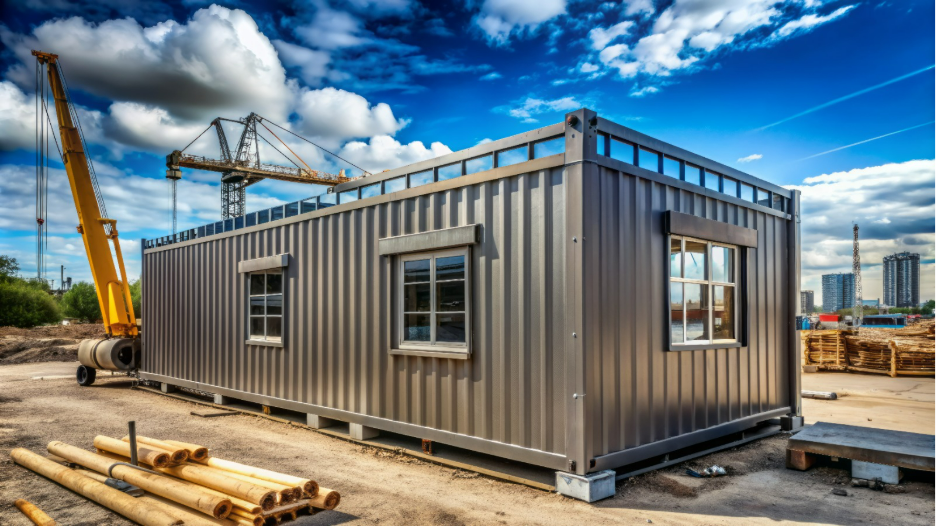
That’s why many leaders now search for physical infrastructure that keeps pace with changing goals. A containerized or modular facility often becomes the answer. This type of building is gaining momentum as organizations recognize the advantages it offers. In fact, its market size in the United States alone is set to grow at an annual rate of 7.8% by 2030.
To explore this concept further, the sections below highlight how this structure helps your business thrive.
Greater Agility for Shifting Operational Demands
Businesses like yours rarely operate in a straight line. Market conditions fluctuate, product strategies evolve, and staffing needs change throughout the year.
A modular design helps you respond to these adjustments by making it easy to update your space. Walls, sections, and entire units can be repositioned or added with minimal downtime. This level of adaptability keeps your operation on track instead of slowing it down for construction work.
Teams also value how this flexibility reduces day-to-day friction. Departments that once competed for space gain the freedom to tailor their areas as responsibilities change. A production line group can expand its footprint when output increases. A training team can shift to a more compact layout when classes are lighter. The building finally works in sync with the business instead of the other way around.
To achieve all of this effectively, purchase a modular or containerized facility only from a trusted supplier. A reputable provider guarantees high-quality materials, advanced manufacturing, and efficient, lean delivery.
Faster Deployment That Accelerates Growth Timelines
Speed plays a major role in gaining a competitive advantage. This is especially true for companies entering new ventures or increasing capacity. Traditional builds often stretch across several months or even years. Rigid wall shelters, however, shorten that timeline. Units are constructed off-site while the land is prepared. This creates an efficient parallel process that keeps projects moving.
Many executives welcome the added predictability that comes with this method. Delays caused by weather or on-site complications become less disruptive because most work happens in controlled environments. Being able to move into a new space sooner allows businesses to respond quickly to demand and maintain momentum.
Another benefit is that it reduces the risk of missed opportunities. You no longer have to wait for a full structure to be finished. Your staff can begin working shortly after the installation is complete.
Cost Efficiency Without Reducing Quality
Decision makers consistently look for ways to manage budgets without compromising performance. Prefabricated steel units offer a practical solution through controlled manufacturing, reduced waste, and streamlined processes. Construction takes place with precise measurements, which limits the amount of materials that end up being unused. That efficiency directly impacts cost.
Another advantage appears during long-term use. Businesses avoid many of the construction expenses associated with traditional buildings, as the steel building can be updated by replacing or adding specific units. Facilities grow incrementally, with investments made only when necessary. That financial flexibility supports strategic planning and keeps capital available for core operations, research, and expansion activities.
Scalability for Organizations at Any Stage
A company’s real estate strategy must accommodate growth, contraction, and seasonal behavior. Modular units make this possible in a simple and predictable way. Early stage businesses often select a smaller footprint, then expand as demand increases. Established companies can use the structures to test new service lines or pilot programs without committing to permanent construction.
Scalability becomes especially valuable in industries with fluctuating production cycles. Operators can add modules during busy seasons, then remove or repurpose them later. This model takes off the burden of maintaining unused square footage throughout the year. It also ensures that the facility remains aligned with actual needs, rather than projected ones that may shift unexpectedly.
Improves Sustainability and Responsible Resource Use
Did you know that the U.S. Department of Energy considers modular steel buildings to be an energy-efficient option? This recognition reflects how this structure can contribute to broader eco-friendly goals.
Many organizations view sustainability as both an ethical requirement and a competitive advantage. Modular facilities support these goals through more efficient material use and design procedures that minimize environmental impact. Because modules are built in controlled environments, manufacturers generate less waste and reuse leftover materials more effectively.
Companies also appreciate the reduced disruption to the surrounding land. Site work is less intensive, and on-site construction time is shorter, which decreases noise, emissions, and operational disturbance. A modular facility can be relocated or repurposed rather than demolished, which helps reduce landfill waste and supports long-term environmental responsibility. These details align with modern sustainability commitments that many industries now prioritize.
Boost Safety Through Controlled Construction
Safety consistently remains a top priority for organizations, especially during the building phase. Modular construction greatly reduces the risk of on-site accidents. Much of the assembly happens in manufacturing environments where safety protocols are easier to manage and monitor. With fewer workers required on location, companies face fewer disruptions and experience lower liability.
Once the modules arrive, installation progresses quickly. This minimizes heavy equipment use and shortens the window during which safety hazards may arise. The final structure benefits from consistent quality control, since each module is produced under standardized conditions. For organizations that value reliability and risk reduction, these features reinforce the appeal of modular facilities.
Design Flexibility That Supports Brand Identity
A facility does more than house equipment and staff. It communicates a company’s values, culture, and commitment to professionalism. Modular cleanrooms provide designers with tremendous freedom to create layouts that reflect their branding or operational style. Whether a business needs open collaborative areas, private offices, labs, breakrooms, or specialized work zones, the structure accommodates unique requirements.
Many businesses discover that this design flexibility enhances morale and productivity. Teams feel more comfortable and supported in a space designed for their specific tasks. Branding elements such as color schemes, exterior aesthetics, and signage can be integrated from the beginning, creating a unified and polished environment. This level of customization helps companies maintain a consistent identity across multiple locations.
Reliable Quality Control Through Standardized Methods
Consistency matters in any competitive environment. Modular facilities benefit from quality checks at every stage of the manufacturing process. Each module passes through controlled inspections, and standardized processes ensure structural reliability. This predictability stands out compared to traditional construction, where variables on the job site may affect workmanship.
Businesses gain assurance that their facility will meet performance expectations from the moment they begin operations. Consistent quality helps reduce maintenance issues and minimizes early repair costs. When organizations expand by ordering additional modules, the new sections match the original specifications, creating uniformity across the entire facility. This consistency supports long-term operational planning and strengthens the facility’s role as a dependable asset.
Stronger Continuity During Upgrades or Reconfigurations
Operations often suffer when work premises or offices undergo heavy renovation. Prefabricated structures reduce that disruption by allowing companies to perform updates without halting activities. New units can be installed adjacent to existing structures, then integrated when ready. Teams continue working with only minimal disturbance.
Businesses that face frequent updates, such as research centers or technology firms, benefit significantly from this uninterrupted workflow. Facility changes become predictable and manageable, even when performed on a tight schedule. The result is a smoother transition during growth phases and more reliable productivity during infrastructure improvements.
Solid Integration of Technology and Modern Infrastructure
Many companies now rely on advanced digital tools or systems to maintain consistency, streamline workflows, and support long-term innovation. A containerized office structure makes this integration far easier.
Modules can be designed with embedded wiring paths, preconfigured data ports, and adaptable service corridors that simplify upgrades. This approach reduces the need for intrusive retrofitting later, since the structure anticipates future connectivity requirements from the start. Teams can introduce new automation tools, hardware, or monitoring systems without disrupting workflow.
Organizations also appreciate the efficiency that comes from planning technology into the physical layout. Instead of forcing equipment to fit an outdated structure, the building evolves alongside the tools. Facilities that rely on robotics, advanced security systems, or energy management platforms gain the most from this feature.
The combination of modular flexibility and built-in tech readiness supports smoother adoption of emerging innovations and keeps businesses aligned with industry advancements.
Reduces Operational Downtime When Expanding Capacity
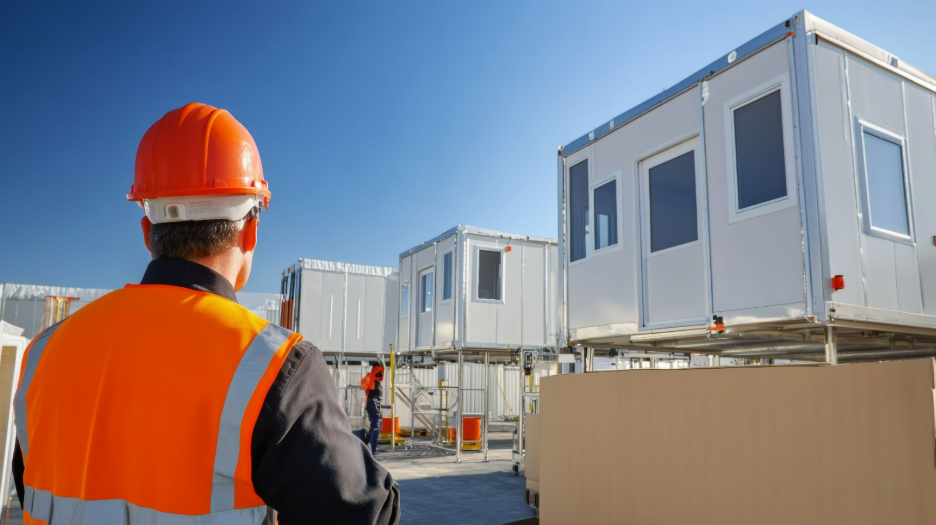
Companies often hesitate to scale their operations because traditional construction can interrupt productivity. Containerized office premises reduce that risk by enabling expansion with minimal downtime. Additional units can be assembled off-site while the business continues to operate normally. Once the new sections arrive, installation proceeds quickly, which limits interference with ongoing work and maintains schedules intact.
This advantage becomes especially valuable for businesses with continuous production cycles or customer-facing environments. Manufacturing lines can keep running, medical practices can continue seeing patients, and logistics hubs can maintain delivery timelines. The building grows around the workflow instead of forcing a pause.
A quick tip: For healthcare industries, it’s best to invest in a modular cleanroom to meet strict operational and regulatory requirements. This fosters customer satisfaction and facilitates smoother internal coordination during periods of growth.
Enhances Strategic Positioning in Competitive Markets
A well-designed prefabricated building can influence how a company positions itself in a competitive landscape. Businesses that operate out of adaptable structures gain the freedom to enter new regions, test new service models, or launch pilot programs with far less hesitation.
That mobility supports strategic decisions that would otherwise require long-term commitments. Organizations can place modern structures closer to target customers. They can also shift operations to areas with better labor pools or set up temporary sites for special projects without overburdening their budgets.
Another advantage becomes clear when companies pursue partnerships. A steel building signals readiness for collaboration because it demonstrates forward-thinking infrastructure. Suppliers, clients, and potential investors often interpret this agility as a sign of stability and competence.
When the physical environment supports experimentation and rapid scaling, a business becomes a more attractive and dependable partner. This perception strengthens market position and opens doors to new opportunities.
Conclusion
Modular facilities offer far more than a temporary solution to space challenges. They provide businesses with adaptability and efficiency that traditional construction cannot match. These innovative structures transform how companies approach growth and productivity. By leveraging the benefits of modular facilities, businesses can turn their physical infrastructure into a true competitive advantage.