Most people still imagine pre-owned furniture as something you buy temporarily or tuck into a spare room. But the design world has flipped that idea on its head. What used to be considered “filler” furniture is now being used as the centerpiece of entire spaces. The shift didn’t happen by accident—it happened because quality, detail, and originality are harder to find in new manufacturing than in items that have already lived a life.
When shoppers look beyond retail showrooms and mass-produced styles, they start finding pieces that don’t just fill space—they define it.
When Pre-Owned Outshines Brand-New
Walk into a new furniture showroom and much of what you see is designed to be neutral, duplicated, and easily boxed. It photographs well, but it rarely feels unique in person. Contrast that with a pre-owned piece that has weight, original hardware, or craftsmanship no longer found in new production. Those details draw the eye immediately, even in a room full of fresh decor.
That’s why decorators and homeowners are using older pieces not as background selections, but as room anchors. What once blended in now stands out—and that difference changes how a room feels.
Style That Doesn’t Repeat Itself
One of the biggest advantages of buying pre-owned is that no one else is likely to own the same item. New furniture is sold in bulk and duplicated across homes, apartments, and staged listings. That’s why so many rooms look interchangeable. But a distinctive wood hutch, a carved coffee table, or a vintage armchair adds instant character without needing accessories to compensate.
Rooms stop looking assembled from a catalog and start looking designed with intention.
How One Piece Changes an Entire Space
A single item can raise the overall perception of a room. When something has history, structure, or visual strength, everything around it feels more elevated. Designers often start with a pre-owned piece and build the rest of the look around it, rather than tucking it in at the end. That’s how what used to be considered “secondhand” becomes the most talked-about part of the room.
And unlike cheaply made new pieces that lose impact quickly, the right older item keeps drawing attention over time.
Condition Matters Less Than Potential
Many of the best statement pieces don’t start out looking perfect. A great frame with worn fabric can be reupholstered. A solid wood dresser can be refinished or painted. Replacing hardware can take something from dated to dramatic. What most people overlook are the bones—once you recognize solid structure, you realize how much can be transformed.
Because most buyers don’t see past surface flaws, the people who do end up with pieces that would cost thousands if sold as new.
Real Materials Make the Difference
What transforms a pre-owned piece into a statement isn’t nostalgia—it’s the materials. Hardwood, real leather, stone accents, iron fixtures, and hand-finished elements can’t be faked by fast production. Even if the design is subtle, the substance is obvious as soon as it’s in a room.
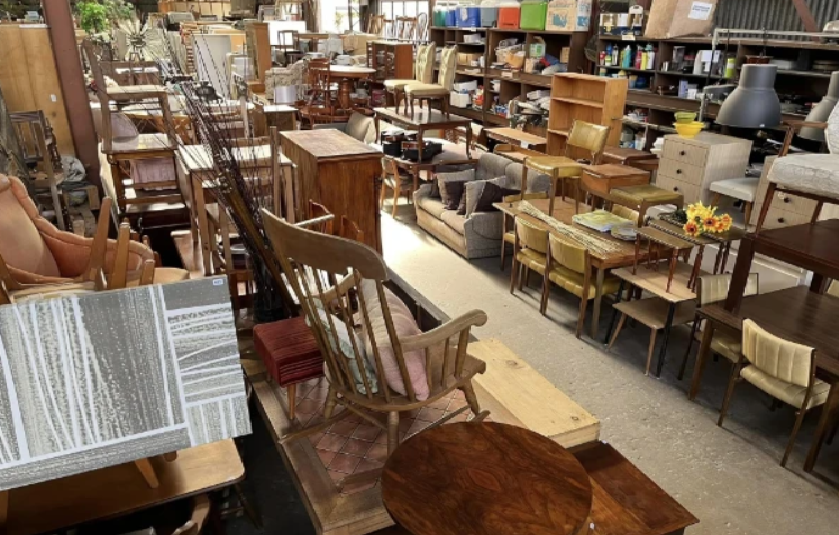
That’s why so many shoppers now search for second hand furniture when they want something with presence. Instead of paying top dollar for imitation finishes, they’re getting the real thing at a price that makes the decision feel smart, not risky.
Mixing Old and New Is What Makes It Work
A room doesn’t need to feel vintage for older pieces to shine. The best results happen when pre-owned furniture is paired with modern lighting, updated textiles, or newer decor. The balance keeps the piece from feeling dated while letting its character lead the space. Designers have used this formula for years because it works in every style—from minimal to eclectic.
What surprises most people is how seamless the blend looks once everything is in place.
Why Buyers Brag Instead of Hide Their Finds
There used to be a stigma around buying secondhand. Now, people are proud to say they found a piece with personality instead of swiping a credit card for something mass-produced. Guests don’t care where it came from—they react to how it looks and how it fills the room.
When someone reveals it was pre-owned, the shock usually comes from the quality, not the price.
Limited Supply Creates Real Impact
Statement pieces don’t come in sets of twenty or arrive on pallets. They get discovered, claimed, and reused in ways that give them a second life. Inventory changes constantly, so timing matters. Shoppers who check in often end up with finds others didn’t know were there until they were gone.
That built-in scarcity is part of what makes older pieces so desirable—if you don’t grab it now, you won’t see it again.
Reuse Isn’t About Budget—It’s About Taste
People assume buying pre-owned is only about saving money, but most of the time it’s about choosing something better than what’s available new. If the same item were sitting in a high-end boutique with a four-figure tag, people wouldn’t question its value. The only difference is the source, not the quality.
That’s the real shift happening: secondhand isn’t the alternative—it’s the advantage.
When Furniture Becomes a Feature, Not a Placeholder
A statement piece doesn’t need to be loud to stand out—it just needs to be well made and thoughtfully placed. What starts as a reused item quickly becomes the thing people compliment first. And when the rest of the room supports it rather than competes with it, the furniture stops looking like a substitute and starts looking like the reason everything works.
That’s the future of design: not new vs. old, but chosen vs. forgettable.