In the mild coastal setting of southern Vancouver Island, crafting an inviting outdoor area can bring a sense of peace and connection to nature. With its temperate weather patterns, this region offers endless possibilities for homeowners to cultivate spaces that blend beauty with functionality. Whether you’re refreshing a small backyard or planning a larger transformation, understanding the local environment is key to creating enduring appeal. This guide explores practical approaches to enhance your surroundings, drawing from proven methods that respect the area’s natural rhythms.
Embracing the Unique Climate of Southern Vancouver Island
The weather here features wet winters and drier summers, influenced by the Pacific Ocean. Mild temperatures rarely dip below freezing, allowing for year-round growth, but occasional droughts in warmer months call for thoughtful planning. Gardeners often adapt by selecting species that tolerate both moisture and dry spells.
One effective strategy is to monitor seasonal shifts. For instance, spring brings abundant rain, ideal for establishing new plantings, while summer requires attention to hydration without overusing resources. By observing these patterns, you can design areas that flourish naturally, reducing the need for constant intervention. Local landscaper Victoria BC recommend starting with a site assessment to evaluate sunlight exposure, soil type, and drainage, ensuring your choices align with the site’s inherent qualities.
In this climate, incorporating elements that capture rainwater can make a significant difference. Simple features such as swales and permeable surfaces help manage excess water during heavy downpours, preventing erosion and supporting plant health. These techniques not only preserve the integrity of your space but also contribute to broader environmental benefits, such as reducing runoff into nearby waterways like the Strait of Juan de Fuca.
Selecting Plants That Thrive in the Local Environment
Choosing flora adapted to the region’s conditions is essential for a resilient garden. Native varieties, in particular, offer advantages like lower maintenance and better support for local wildlife, including pollinators and birds. These plants have evolved alongside the area’s ecosystems, making them well-suited to the soil and weather.
Popular Native Species for Coastal Yards
Among the favorites for gardens in this part of British Columbia are Oregon grape, with its glossy leaves and bright berries that attract songbirds. This evergreen shrub provides year-round interest and tolerates shade, making it versatile for understory planting. Red-flowering currant stands out in early spring with vibrant pink blooms, drawing hummingbirds and adding a splash of color to borders.
Kinnikinnick, a low-growing groundcover, spreads easily and produces small white flowers followed by red berries. It’s excellent for erosion control on slopes and requires minimal care once established. Salal, another evergreen, features leathery leaves and bell-shaped flowers, thriving in acidic soils common to the island. Sword fern adds texture with its arching fronds, perfect for shady spots and creating a lush, forest-like feel.
For groundcovers, bunchberry offers delicate white blooms in spring, transitioning to red berries in fall, while false lily-of-the-valley provides dense foliage that suppresses weeds. Woolly sunflower brings sunny yellow daisies to sunnier areas, enhancing biodiversity. These selections not only beautify your space but also foster habitats for creatures like bees and butterflies, promoting a balanced ecosystem.
Incorporating a mix of heights and textures creates visual depth. Tall perennials like pink fawn-lily can punctuate lower plantings, while hellebores provide winter blooms in softer hues. By prioritizing these indigenous options, you build a foundation that’s sustainable and harmonious with the surrounding landscape.
Implementing Sustainable Practices for Eco-Friendly Spaces
Sustainability is at the heart of modern garden care, especially in areas facing water variability. Adopting methods that conserve resources while enhancing aesthetics ensures long-term viability. One core principle is to focus on soil health, which supports robust growth and reduces reliance on amendments.
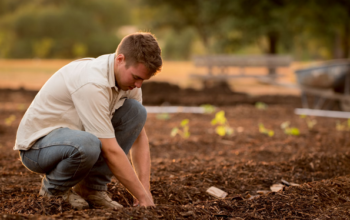
Composting organic matter, such as fallen leaves or kitchen scraps, enriches the earth naturally. Mulching with materials like bark or wood chips retains moisture, suppresses unwanted growth, and regulates temperature. In this region, where soils can be clay-heavy, adding organic content improves drainage and aeration, preventing waterlogging in wet seasons.
Water Conservation Techniques Tailored to the Coast
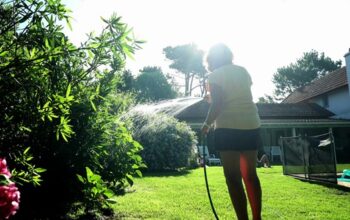
Efficient irrigation is crucial given the summer dry periods. Drip systems deliver water directly to roots, minimizing evaporation and waste. Grouping plants with similar needs, known as hydrozoning, optimizes usage further. For example, placing drought-resistant species like lavender or rosemary in sunnier, drier zones allows thirstier ones, such as ferns, to occupy shaded, moister areas.
Rain gardens capture runoff in depressions planted with absorbent species, filtering water and recharging groundwater. Permeable paving for paths or patios lets rainwater infiltrate the ground, reducing flooding risks. These approaches align with local guidelines, such as those for boulevard gardening, which encourage community-friendly enhancements along public edges.
Xeriscaping, which emphasizes low-water designs, fits well here. It involves using gravel or stone mulches alongside resilient plants, creating attractive, low-upkeep features. Edible elements, like berry bushes or herbs, add utility, providing fresh produce while integrating seamlessly into the layout.
Building Biodiversity Through Thoughtful Choices
Encouraging diversity goes beyond plants to include features that support wildlife. Bird baths or shallow ponds offer hydration points, while log piles create shelters for insects and small animals. Native trees, such as Garry oak if space allows, provide shade and habitat, though they’re less common in urban settings.
Layering is another technique: start with canopy trees, add mid-level shrubs, and finish with ground-level herbs and flowers. This mimics natural forests, boosting resilience against pests and diseases. In coastal zones, windbreaks from dense evergreens protect delicate areas, maintaining tranquility.
Design Ideas to Elevate Your Outdoor Area
Thoughtful design transforms ordinary yards into personal retreats. Begin by defining zones for different activities, such as relaxation, dining, or play. Pathways guide movement, connecting these spaces fluidly. Materials like flagstone or interlocking pavers offer durability and charm, blending with natural elements.
Incorporating Hardscape Features for Structure
Retaining walls define levels on sloped properties, preventing soil shift and adding architectural interest. Natural stone options, varied in color and texture, create organic borders for beds. Patios extend living areas outdoors, ideal for gatherings under the mild skies.
Gravel accents provide economical alternatives for drives or walks and offer good drainage. Combining these with soft plantings softens edges and achieves balance. Lighting extends usability into evenings, highlighting key features without overwhelming the nightscape.
Creating Functional and Aesthetic Zones
Consider focal points, like a water feature or sculpture, to draw the eye. Seating nooks surrounded by fragrant blooms encourage lingering. For families, incorporating play elements amid greenery fosters a connection to nature from a young age.
Vertical elements, such as trellises with climbing vines, maximize space in smaller lots. Edible gardens integrate fruits and vegetables, such as strawberries and tomatoes, into ornamental beds, blending form and function.
Seasonal Care Tips for Ongoing Vitality
Maintaining vibrancy requires attuned care throughout the year. Winter focuses on protection: prune dormant branches and cover tender plants from rare frosts. Spring is for planting and fertilizing, capitalizing on the rains.
Summer demands vigilant watering and weeding, while monitoring for pests. Fall prepares for rest, with cleanup and mulching to insulate roots. Monthly tasks, like removing withered stalks in early spring or dividing perennials in autumn, keep things tidy.
Tools like automated sprinklers simplify routines and ensure even coverage. Regular inspections catch issues early, preserving health. Community resources, including local nurseries, offer advice tailored to the island’s specifics.
When seeking a landscaper, Victoria BC homeowners often turn to those familiar with these nuances. Among landscaping companies in Victoria, options abound for guidance, but the emphasis remains on personal vision. A reliable landscaping company in Victoria BC can provide insights, though many enjoy the hands-on process themselves.
By weaving these elements together, your outdoor space becomes a sanctuary that evolves with the seasons, offering joy and respite. With patience and observation, even novice gardeners can achieve results that feel timeless and integrated with the area’s coastal charm.