When it comes to transforming our living spaces, we often overlook the impact of interior doors. These essential elements not only serve a practical purpose but also play a significant role in defining our home’s style and atmosphere. Choosing the right interior doors can elevate our interiors, creating a seamless flow between rooms while adding character and charm.
With My City Doors, homeowners gain access to a wide range of designs that combine style, durability, and functionality. From sleek modern panels to timeless wooden finishes, My City Doors offers options that reflect every taste and complement any home design.
By selecting the perfect doors, we can enhance both the aesthetic and functionality of our spaces. In this article, we’ll explore the various types of interior doors available, their benefits, and tips for making the best choice for our unique homes. Let’s dive into the world of interior doors with My City Doors and discover how they can truly shape our living environments.
Types Of Interior Doors
We explore several types of interior doors, each offering unique benefits and styles tailored to various needs. Understanding these options helps us make informed decisions when selecting the perfect door for our spaces.
Hollow Core Doors
Hollow core doors consist of a lightweight honeycomb structure, often sandwiched between two layers of veneer. These doors provide an economical choice for interior applications, balancing cost-effectiveness with aesthetic appeal. Hollow core doors offer decent sound insulation, making them suitable for bedrooms and bathrooms. Their installation is typically straightforward, allowing for quick replacements or new fittings.
Solid Core Doors
Solid core doors feature a solid composite or wooden core, providing increased durability and sound absorption compared to hollow core options. These doors enhance privacy and security, making them ideal for areas requiring additional noise reduction, such as home offices and family rooms. Solid core doors are available in various styles and finishes, allowing for seamless integration with existing decor while offering a more substantial feel.
Bi-Fold Doors
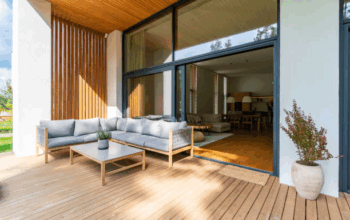
Bi-fold doors comprise multiple panels that fold in on themselves, saving space while providing a wide opening. These doors enhance natural light and visibility, ideal for closets or dividing larger rooms. Bi-fold doors are versatile in design, available in materials like wood or aluminium, and can accommodate both modern and traditional interiors. Their flexible nature supports various applications, from laundry rooms to expansive living spaces.
French Doors
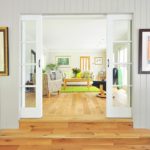
French doors consist of two hinged doors that open outward, featuring glass panes for enhanced light flow. These doors create an elegant transition between rooms or from indoor spaces to patios or gardens. French doors come in a variety of styles and finishes, allowing us to customise them to suit our home’s character. Their classic design promotes openness, making them a popular choice for living areas and dining spaces.
Materials Used In Interior Doors
We commonly encounter various materials used in the construction of interior doors, each offering distinct advantages for functionality and aesthetics.
Wood
Wood remains a popular choice due to its natural beauty and versatility. Solid wood doors provide excellent durability and superior sound insulation, making them ideal for bedrooms and home offices. Common types of wood used include oak, pine, and cherry, each offering unique grains and finishes. Engineered wood options, such as laminated materials, deliver enhanced stability and resistance to warping.
MDF
MDF, or Medium-Density Fibreboard, is an excellent alternative to solid wood. It consists of wood fibres bonded with resin, creating a smooth and uniform surface. We appreciate MDF’s ability to mimic the appearance of solid wood, allowing for decorative moulding and a variety of finishes. This material is cost-effective, lightweight, and resistant to cracking, making it suitable for high-traffic areas.
Glass
Glass doors provide an elegant touch while allowing natural light to permeate spaces. We find that clear or frosted glass options enhance visibility without compromising privacy. Glass panels can be framed in wood or metal, offering a modern look. These doors suit areas where light enhancement is desired, such as entryways and offices, creating a bright and open atmosphere.
Metal
Metal doors, typically crafted from steel or aluminium, offer unmatched durability and security. We observe that these doors function well in modern residential designs and are often used in utility spaces. Metal doors come with various finishes, including paint or powder coating, enabling them to blend seamlessly into any decor. Their resistance to wear and tear makes them a practical choice for high-traffic environments.
Choosing The Right Interior Door
Selecting the appropriate interior door involves careful consideration of various factors. Our choices can significantly affect both the practicality and visual appeal of our spaces.
Style Considerations
We must assess our home’s overall aesthetic when choosing an interior door. Traditional styles such as panel doors offer a timeless elegance, while modern designs, like flush doors, contribute to minimalist decor. Consider factors like colour and finish; painted doors can introduce vibrancy, while natural wood finishes bring warmth. Additionally, choose door styles that harmonise with our existing furniture and fixtures for a cohesive look.
Size And Fit
Proper sizing is crucial in the selection process. We should measure door frames accurately to ensure a perfect fit, taking into account height, width, and thickness. Standard interior doors typically range from 24 to 36 inches in width, with heights of 80 inches. When fitting doors in non-standard openings, custom sizes may be necessary which can enhance space flow. Additionally, consider clearance for flooring types, hinges, and handles to prevent operational issues.
Installation Process For Interior Doors
Installing interior doors enhances both functionality and aesthetics in our living spaces. Proper installation requires specific tools and a step-by-step approach to ensure success.
Tools Required
- Measuring Tape: We use this for accurate measurements of door frames.
- Level: A level ensures that the door is perfectly vertical and horizontally aligned.
- Screwdriver: A suitable screwdriver helps us install hinges and handles.
- Drill: A power drill is essential for making holes in the frame and securing screws.
- Hinge Jig: This tool simplifies the process of cutting hinge recesses.
- Chisel: A chisel allows us to create precise cuts for hinges and latches.
- Pry Bar: We use a pry bar to remove old doors and assist with adjusting frames as needed.
- Safety Gear: We wear safety goggles and gloves to protect ourselves during the installation process.
Step-By-Step Guide
- Measure the Door Frame: We begin by measuring the width and height of the door frame to ensure the new door fits perfectly.
- Choose the Right Door: We select a door that complements our style and meets our functional needs.
- Prepare the Door: We unpack the door and check for any defects, then attach any necessary hardware, including hinges and handles.
- Position the Door: We align the door with the hinges against the door frame and use a level to confirm it sits straight.
- Install Hinges: We drill pilot holes for the screws, ensuring they secure the hinges firmly to the frame.
- Hang the Door: With assistance, we lift the door and attach it to the frame using the screws from the hinges.
- Check Alignment: We verify that the door swings freely and sits evenly within the frame, making adjustments as necessary.
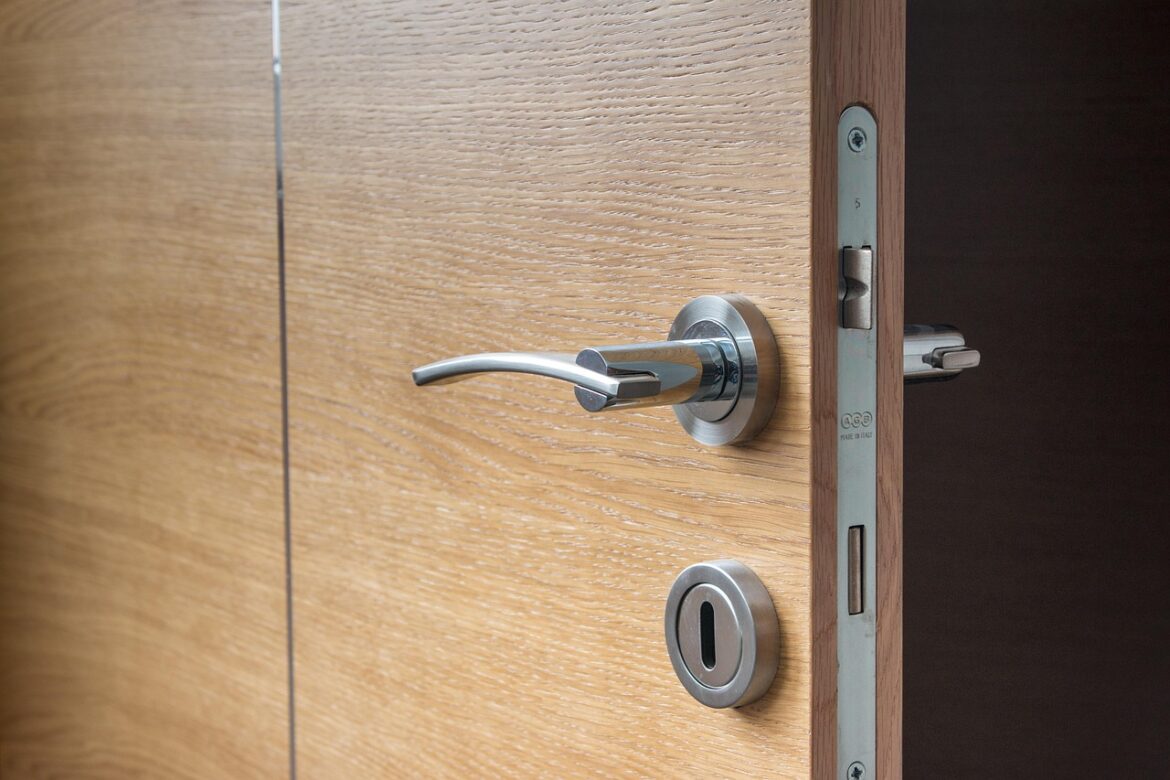
- Install the Door Handle and Lock: We drill any additional holes for the door handle and lock, then install these components for functionality.
- Final Checks: We assess the operation of the door, ensuring it opens and closes smoothly without any obstructions.
By following this precise installation process, we can ensure our interior doors are fitted properly, contributing to both the practicality and aesthetic appeal of our home.
Conclusion
Choosing the right interior doors is essential for enhancing our living spaces. With so many options available we can personalise our homes while ensuring practicality and style. Whether we prefer the warmth of wood the sleekness of glass or the modern touch of metal there’s a perfect door for every taste.
As we embark on our door selection journey let’s consider not only the aesthetics but also the functionality that each type offers. Proper installation will further elevate our interiors ensuring that our choices serve us well for years to come. By paying attention to detail we can create an inviting atmosphere that reflects our unique style and meets our everyday needs.