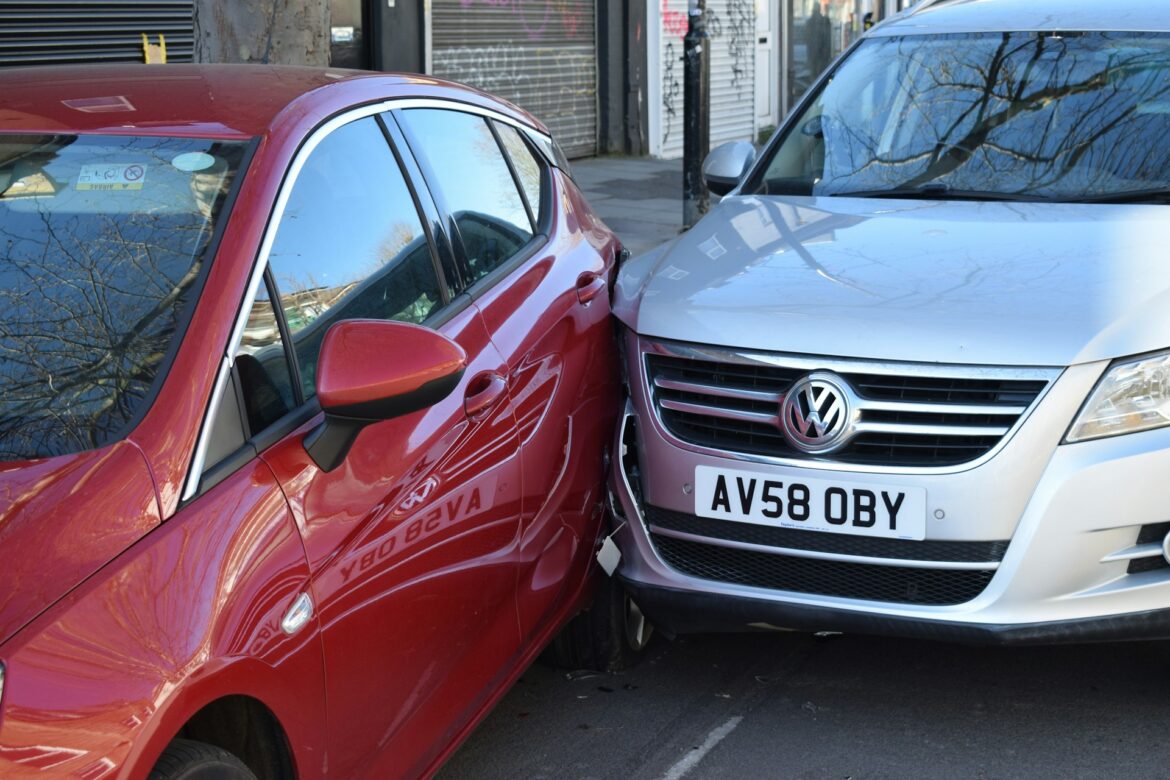
All car accidents are not the same.
Some leave behind barely a scratch. While others leave a lifetime of harm. Unfortunately, many drivers fail to realize the distinction between these two different types of accidents.
A fender bender and serious accident case.
Here’s the problem…
That lack of knowledge could cost you thousands of dollars in car accident compensation. If you know how to spot the differences between each type of accident, you can better protect your health AND your finances.
What You’re About To Discover
- The defining characteristics of a fender bender
- How serious accident cases differ from minor collisions
- Why “minor” accidents can be extremely serious
- The important steps to take after any type of collision
- How and when you should contact a lawyer
Minor Fender Benders vs Serious Accident Cases
What is considered a Minor Fender Bender?
For most people, a fender bender is a very low-speed collision. Parking lot bang-ups. Stop and go traffic accidents. Simple collisions that don’t trigger airbags.
Typical fender benders include:
- Crashes under 10 miles per hour
- Minimal damage to both vehicles
- No obvious injuries sustained by drivers/passengers
- Parking lots or intersections
Believe it or not, people sustain serious injuries during low-speed collisions all the time. While airbags usually don’t deploy during fender benders, that doesn’t mean there is not a serious force impacting your body.
Whether you tap another vehicle or get hit hard by another car, your body is forced to stop abruptly during any collision. That sudden deceleration can cause soft tissue damage, muscular strains, and concussions.
Most people feel okay after a simple car accident. It’s not until several hours or even days later that you realize you were injured.
How Do Serious Accident Cases Differ from Minor Collisions?
When serious accidents occur, people sustain serious injury or death.
These car crashes typically occur at higher speeds. Result in serious damage to vehicles. Or cause significant injuries to drivers/passengers. In fact, the National Highway Traffic Safety Administration estimates that in 2024, around 39,345 people died in traffic crashes.
Serious accident examples include:
- Collisions with a speed greater than 15 miles per hour
- Airbags were deployed during the crash
- Visible injuries that require immediate medical attention
- Totaled vehicle or severe vehicle damage
- Multi-car accidents
- Accidents that require a fire department or ambulance response
The injury claims process after serious accidents are far more complicated than simple fender benders. Hospital bills can quickly add up. Lost wages may take a toll on finances. And victims often require long-term care.
This is where knowing the difference between accident types becomes valuable to your car accident compensation case. Those who sustain serious injuries should visit website resources from experienced attorneys who handle catastrophic injury cases.
The Hidden Dangers of “Minor” Collisions
Let me tell you a little secret that most people don’t know…
“Minor” car accidents can cause serious, debilitating injuries that may not be visible right away. Whiplash is one of the most common examples. Your neck muscles and ligaments can be damaged during a car crash even if you don’t hit your head.
Speeds as low as 10 miles per hour can cause whiplash injuries.
Other hidden injuries from “minor” accidents include:
- Concussions and mild traumatic brain injuries (TBIs)
- Herniated discs
- Soft tissue damage
- Internal bleeding (in severe cases)
Wait, aren’t we talking about fender benders?
Yes, but even low-speed collisions can cause major injuries. The National Safety Council states that there were 5.1 million injuries that required medical consultation due to motor vehicle crashes in 2023. The total cost of these injuries? $513.8 billion.
Many of these injuries were caused by what people considered to be “minor” accidents.
Many people feel a rush of adrenaline after their car has been involved in any type of collision. As a result, injuries may not show up until 24-72 hours after the accident.
By that time, you may have already told your insurance company that you were “fine” and didn’t suffer any injuries.
That’s a huge mistake.
Steps to Take After ANY Accident
So you were in a car accident. Now what?
Well if you were involved in a fender bender or a serious car accident, there are steps you should take to protect yourself.
Step 1: Make Sure You and Everyone Else Are OK
Move to a safe place if possible and check to see if anyone has apparent injuries. If someone is injured, dial 911 immediately.
Step 2: Document Vehicle Damage
Take pictures of all vehicles involved in the accident. Photograph damage to all vehicles from various angles. Collect the other driver’s insurance information, license plate number, and contact info.
Step 3: Call the Police
Yes, even if it was a simple fender bender. Having a police officer come out to your accident scene will allow you to have an official police report filed. If injuries manifest later on down the road or you and the other driver disagree on who was at fault, you’ll have proof.
Step 4: Seek Medical Attention
Again, even if you think you’re fine. Some injuries take a few hours or days to appear. By going to the doctor immediately following your accident, you’ll at least be checked out by a medical professional.
Step 5: Notify Your Insurance Company of the Accident
You should notify your insurance company that you were in an accident. Be factual. Don’t say you are fine or feel you were at fault before you know all of the facts.
Contacting a Lawyer After Serious Accidents
Do you need to contact a lawyer after a fender bender?
No. Most of the time. But you should contact a lawyer after a serious accident.
Should you contact a lawyer after any car accident?
Not necessarily. But you should know WHEN to contact a lawyer.
You should speak with a personal injury attorney if:
- You required medical treatment for your injuries
- You and the other driver disagree on who was at fault
- The insurance company’s settlement offer doesn’t seem high enough
- You lost wages due to the accident
- You were permanently disabled due to the accident
Insurance companies look out for their company’s best interest, not yours. In fact, insurance companies have teams of adjusters who work to give you the lowest settlement amount possible in the quickest amount of time.
A skilled and knowledgeable car accident attorney understands how much YOUR claim is worth. They know how to calculate current and future medical expenses, lost wages, and pain and suffering.
Types of Compensation
There are many different types of compensation you can recover after a car accident.
Economic damages refer to actual expenses associated with your vehicle accident. This can include medical expenses, lost wages, damage to your property, and future rehabilitation costs.
Non-economic damages refer to intangible losses that you have suffered as a result of your accident. Pain and suffering, emotional trauma, and loss of enjoyment of life are all considered to be non-economic damages.
You can not always easily provide evidence of these damages. But they are compensable nonetheless.
Punitive damages would be awarded to you if the driver who was at fault in your accident was acting in a particularly reckless manner. Driving under the influence or excessive speeding can be considered reckless behavior.
The severity of your injuries, who was at fault for the accident, and your car insurance policy limits can play a factor in how much compensation you can receive.
Bottom Line
The bottom line is this…
All accidents should be taken seriously.
Fender benders can result in serious injury. Serious accidents should be dealt with seriously. With the assistance of both medical professionals and personal injury lawyers.
Here are some things you should do after ANY car accident:
- Never assume your accident is minor
- Always seek medical attention after being involved in a collision
- Learn the difference between hidden injuries and apparent injuries
- Contact a lawyer if your injuries are serious
- Don’t accept the first settlement offer from an insurance company
Car accident compensation is there to help you get your life back to normal. But in order to gain the compensation you deserve, you have to know what you’re doing. Document everything. And don’t be afraid to hire a lawyer when you need one.