Homeowners everywhere know that water has a way of sneaking in where it doesn’t belong. When it does, it quietly destroys, especially if you don’t call experts in water leak detection in Morristown, NJ.
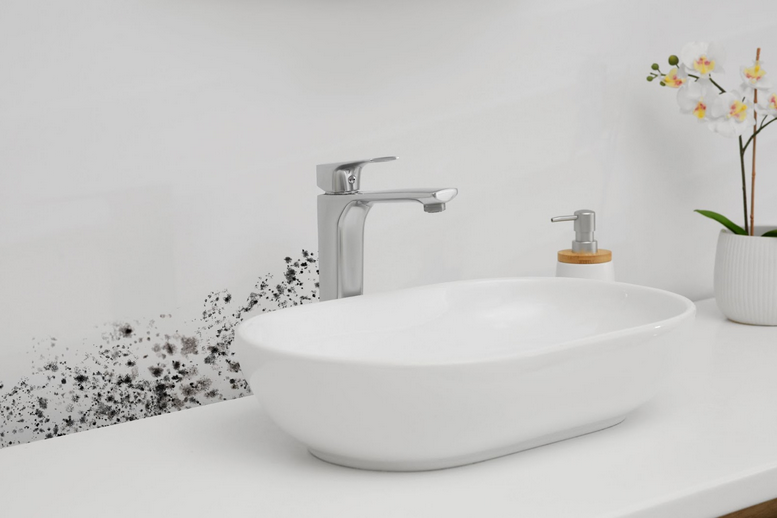
One often ignored effect of water damage is that it facilitates mold and mildew growth. This is a problem that, aside from making your home smell musty, leads to structural rot, spikes your bills, and puts your health at risk.
The Silent Threat of Hidden Leaks
Tiny water leaks are hard to spot, often starting behind walls or under floors. They build up moisture when left alone, creating perfect conditions for mold. The worst part? By the time you see a stain or smell something odd, damage is already underway.
If you hear dripping, see paint bubbling, or feel soft spots on the floor, act fast and call leak detection services. These are early signs of hidden leaks that need professional attention.
What Are The Dangers of Mold in Your Home?
Mold spores thrive in damp places. They spread fast, releasing allergens and toxins that can irritate eyes, lungs, and skin, with long-term exposure even triggering asthma or making breathing difficult. This is especially problematic for kids, seniors, and anyone with allergies.
“The real danger with mold is what you can’t see,” says a licensed mold remediation specialist. “By the time you see mold, it’s often already colonized your insulation, drywall, or subfloor.”
How Does Mold Damage Property?
Water damage is unsightly and expensive to fix. Even slow leaks should be concerning as they can cause rot framing, buckle hardwood floors, or cause ceilings to sag. It’s best not to underestimate how damage can add up quickly, as repairs often involve gutting and replacing entire rooms.
Cumulative damage includes:
- Warped floorboards and cabinets
- Crumbling drywall and baseboards
- Wood rot in structural framing
- Ceiling collapse risks from soaked insulation
Where Leaks Love to Hide
Leaks tend to form in predictable places. Another reason why they are so problematic is that they often form in rarely checked areas. Doing a visual inspection every few months can help you catch issues early.
Check these high-risk spots:
- Under sinks and behind toilets
- Around washing machines and dishwashers
- Near water heaters and sump pumps
- Along basement walls and crawl spaces
Don’t trust your eyes. Use a flashlight to look for water stains, corrosion, or mildew patches.
Your Water Meter: A Water Leak Detection Tool
If your water bill suddenly spikes, your water meter might reveal why. It can help detect leaks even when you don’t see or hear anything unusual. Knowing how to use it as a sort of water leak detection device can prevent thousands of dollars in damage.
Simple water meter test:
- Turn off all water-using appliances.
- Check your water meter reading.
- Wait 1–2 hours without using any water.
- If the number changes, you likely have a hidden leak.
When You Should Call a Leak Detection Pro
DIY can only go so far. Professionals use tools like thermal imaging cameras, acoustic sensors, and moisture meters to find leaks fast. They know how to spot trouble without tearing apart your walls.
“We often find leaks behind cabinets or beneath slabs where a homeowner would never think to look,” says an owner of a plumbing and leak detection company.
If you notice moldy smells with no clear source, if your floors feel unusually warm or warped, or if you have had repeated leaks in one place, get in touch with a professional ASAP.
How Leaks Damage Your Foundation
Water near your foundation can erode soil and shift the entire structure of your home. If leaks go unnoticed long enough, cracks form. Eventually, your foundation may settle unevenly or even collapse in sections.
Signs of foundation damage:
- Cracks in walls or exterior brick
- Doors that stick or won’t close
- Sloping floors or uneven thresholds
These problems are costly to fix and often avoidable with early leak detection.
Know Your Pipes: Material Matters
Some pipes are more prone to leaks than others. Their lifespan depends on material, pressure, and temperature shifts. Understanding what your plumbing is made of can help you plan inspections and avoid surprise failures.
Common pipe types and issues:
- Copper: Long-lasting, but can corrode over time
- PVC/CPVC: Inexpensive, but brittle in cold weather
- PEX: Flexible and durable, but UV-sensitive
- Galvanized steel: Rusts easily and clogs with sediment
Your home should be assessed by an expert if it is over 30 years old.
Undetected leaks, though out of sight, won’t stay out of mind forever. Mold and mildew will find a way to make themselves known. If you suspect a leak, the best way to protect your home is to get ahead of damage. Call a professional. Your home and health depend on it.