When you’re deep in a no-dig pipe repair project, your tools can make or break the job. Although trenchless equipment and tools are an investment in efficiency, safety, and reputation, know that even the best-built gear will underperform if you overlook the key factors that affect its performance and lifespan.
Durability First: Built to Handle the Grind
Trenchless tools face extreme conditions, grit, pressure, and daily wear. That’s why construction tools should be rugged. Tools built from high-grade steel, reinforced components, and precision joints stand up to the job without slowing down.
According to an epoxy pipe lining products seller, “Every tool should be engineered to outlast the job it’s built for.” Investing in high-durability tools reduces replacement costs and jobsite frustration.
Different Tools, Different Lifespans
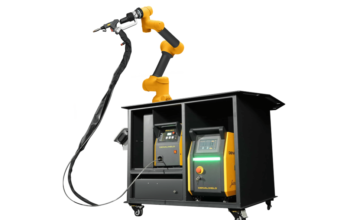
Pipe bursters and cutting robots have different lifespans than epoxy liner systems. How often the tool is used and how it’s used also play a major role.
Instead of generalizing, follow manufacturer guidelines. Once you peruse the document, you should notice that some liners promise to last for 50+ years, while moving parts may require servicing within a few seasons.
Maintenance is Your ROI Multiplier
Routine care keeps tools performing at their peak. Skipping this crucial task is akin to asking for downtime, delays, and unplanned costs willingly. When you keep your cutter or reamer in proper condition, you are sure to get the most out of your money, as they will last years longer than a neglected one.
Maintenance checklist:
- Wipe down tools after each use to remove debris
- Lubricate joints and bearings regularly
- Replace worn parts before they fail
- Store tools in a dry, secure area
- Document all inspections and repairs
Why Tool Training Isn’t Optional
Even the strongest tool won’t last if used with neglect. Each operator should be well-trained for the task and know that the difference between “pushing hard” and “working smart” can save thousands.
Schedule refresher training every six months. This keeps your crew sharp and helps new hires get up to speed fast.
Spotting Wear and Tear Before It Wrecks the Job
Your tools will be the first to give you warning signs of wear. That early grind, wobble, or extra resistance is telling you something’s off.
Common warning signs include:
- Chipped or bent cutting blades
- Loosened or corroded joints
- Inconsistent torque or power output
- Delayed responsiveness in remote-operated units
- Overheating of motorized components
It pays to be vigilant. Ignoring these signs leads to bigger repairs and longer job site delays.
Storage Isn’t an Afterthought
How you store your tools when they’re off the clock matters just as much as how you use them. Trenchless gear left in humid or dirty conditions will break down faster.
Storage best practices:
- Keep tools elevated to avoid moisture exposure
- Use hard cases or padded racks to prevent impact damage
- Don’t stack heavy gear—store by tool type and function
- Label parts and accessories clearly to avoid mix-ups
The Real Cost of Skipping Maintenance
Repairs are expensive. Replacements are worse. Regular maintenance, by contrast, is inexpensive and fast.
Think about it: would you rather pay $5,000 outright for a new cutter or $10 replacement every few months? You be the judge. Preventive care always wins.
Understanding Tool-Specific Needs
Every trenchless tool type comes with its own care manual, literally and figuratively. Pipe bursting equipment may need more frequent pressure testing. Directional drills need clean, calibrated sensors. Epoxy lining systems require temperature-controlled storage and chemical rotation.
Know your tools and what they need. Follow manufacturer guidance religiously, and don’t cut corners with “universal” solutions.
Troubleshooting Made Simple
At times, even the most skilled contractor may have trouble troubleshooting their tools used on pipe lining systems. When your tool stops performing, run a quick diagnostic:
- Is it getting power?
- Are the moving parts clean and lubricated?
- Are control signals responsive?
- Is anything visibly cracked or jammed?
Refurbish or Replace?
This comes down to cost, performance, and projected life. If a tool is under five years old, and parts are still available, refurbishing often makes sense. But if you’ve already replaced the same part multiple times, it might be time to retire it.
Ask: Will this refurbished tool keep up with your current project needs? If not, a replacement may be the smarter long-term choice.
Performance comes from smart decisions. By choosing durable tools, maintaining them well, and training your team, you unlock the full potential of trenchless technology. Don’t wait until the jobsite stops. Invest in the right trenchless tools and keep your business moving forward.