When considering home improvements, it’s wise to focus on projects that not only enhance daily living but also boost resale value. While aesthetic upgrades can be tempting, prioritizing remodels with strong return on investment (ROI) can maximize your equity and appeal to future buyers. From high-impact kitchen overhauls to strategic outdoor enhancements, certain projects consistently deliver memorable improvements and financial benefits. This article explores the remodels most likely to increase your home’s market worth.
Kitchen Remodels: The Heart of Home Value
A kitchen update remains one of the top-performing remodels in terms of ROI. Prospective buyers often base purchasing decisions on the quality and functionality of the kitchen space. Upgrading countertops, installing energy-efficient appliances, and refreshing flooring all contribute to a modern look. Investing in cabinetry pays off notably, as these built-in units represent a significant portion of costs. According to Forbes, cabinets typically consume nearly 30% of the total expenditure in a kitchen renovation, reflecting both material and labor investments.
Bathroom Upgrades: Small Spaces, Big Returns
Bathroom remodels offer strong ROI with relatively modest footprints. Replacing outdated fixtures, refinishing tubs, and installing new vanities create a spa-like appeal that attracts buyers. Midrange updates—such as modern tile, lighting, and accessible layouts—often recoup a majority of the expense. According to Today’s Homeowner, homeowners generally see about two-thirds of their renovation costs returned upon sale, highlighting the value of these targeted improvements. Thoughtful design choices, like enhanced storage and contemporary finishes, further elevate the space’s desirability.
Curb Appeal and Landscaping: First Impressions Matter
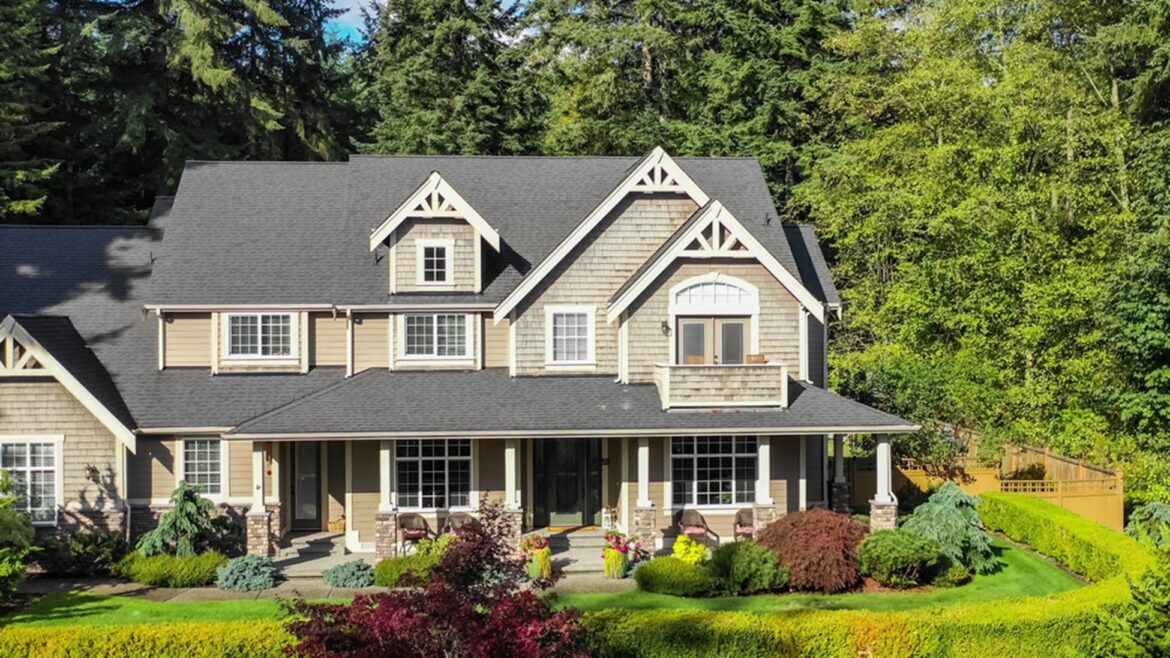
The exterior of your home sets expectations and can sway buyers before they even step inside. Fresh siding, a new front door, and well-maintained pathways communicate care and quality. Similarly, landscape upgrades—such as planting native shrubs and installing low-maintenance flower beds—enhance visual appeal. Many Americans invest in maintaining attractive yards year-round; on average, households dedicate around $500 annually toward lawn care and gardening expenses, according to Zippia. This commitment underlines how outdoor aesthetics influence perceived value and neighborhood standards.
Energy-Efficient Improvements: Savings and Sustainability
Modern buyers increasingly seek homes with lower operating costs and reduced environmental impact. Installing high-performance windows, adding spray-foam insulation, or upgrading to a tankless water heater can significantly decrease utility bills. Solar panel installations, though more substantial investments, often qualify for tax incentives and can attract eco-conscious buyers. These green upgrades not only demonstrate responsible stewardship but also position your home competitively in markets where energy costs and sustainability matter.
Flooring and Interior Finishes: Foundations of Style
Worn or outdated flooring can diminish the impression of otherwise well-maintained walls and fixtures. Hardwood floors are perennial favorites, providing warmth, durability, and easy cleaning. Refinishing existing wood planks or installing engineered hardwood in high-traffic areas balances cost with elegance. For budget-friendly options, luxury vinyl planks mimic wood textures and resist moisture in kitchens and baths. Neutral, cohesive finishes throughout the home create a seamless flow, making rooms appear larger and more inviting.
Open-Concept Living and Space Conversions
Trends favor open-concept layouts that facilitate family interaction and natural light flow. Knocking down non-load-bearing walls between kitchens and living rooms can modernize a home’s footprint. Similarly, converting underutilized spaces—such as attics, basements, or garages—into functional rooms adds living area without expanding the building envelope. Finished basements can serve as family rooms, home offices, or guest suites, appealing to diverse buyer needs and increasing overall square footage.
Outdoor Living Spaces: Expanding Usable Footprint
Patios, decks, and covered porches extend living space into the open air. Durable materials like composite decking and all-weather pavers require minimal upkeep while offering year-round usability. Adding features such as built-in seating, fire pits, or retractable awnings appeals to buyers who value outdoor entertaining. These upgrades often yield high ROI by enhancing lifestyle potential without the investment of full room additions.
Structured Storage Solutions: Organizational Appeal
Clutter-free homes sell faster and at higher prices. Custom or semi-custom closet systems, mudroom benches with built-in cubbies, and garage storage cabinets help maintain order. Buyers appreciate well-thought-out storage that maximizes every square foot. Investing in these solutions demonstrates practical livability, elevating the perceived value of both kitchen and living areas.
While ROI statistics provide general guidance, local market conditions and personal preferences should also drive decisions. Timing your remodels—such as completing interior projects before listing or enhancing exteriors during peak curb-appeal seasons—can influence buyer perceptions. Consulting with real estate professionals and contractors ensures your investments align with neighborhood standards and demand. By focusing on remodels proven to deliver strong returns, you’ll enjoy immediate lifestyle benefits and prospective financial gains when it comes time to sell.