Fixing a broken sewer line doesn’t have to involve bulldozers and destroyed landscaping. Thanks to trenchless technology, homeowners now have smarter, cleaner options like pipe lining and pipe bursting. But how do you choose what to go for?
Your choice can mean the difference between a smooth, trenchless sewer repair in Kirkland, WA, and a costly mistake.
What Is The Difference Between Pipe Bursting And Pipe Lining?
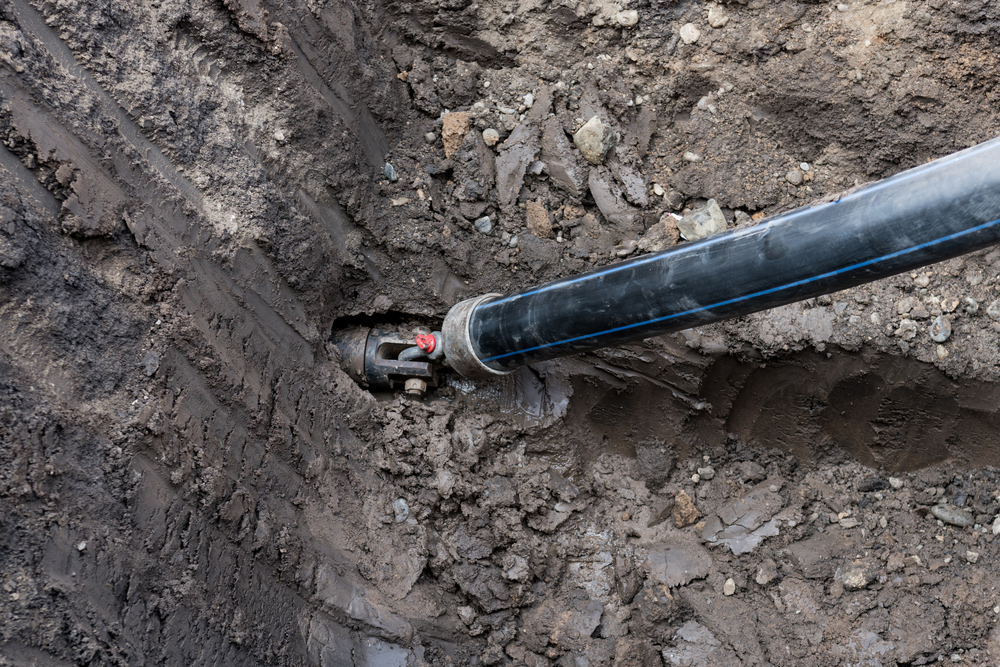
Pipe lining and pipe bursting are trenchless repair methods. With these, experts can fix underground pipes without full-scale excavation.
These repair methods should not be used interchangeably. Lining creates a new pipe inside the old one using a resin-soaked liner, while bursting breaks the old pipe apart while pulling in a new one to replace it.
Quick Comparison:
- Pipe lining: Best for pipes with minor damage, corrosion, or small leaks.
- Pipe bursting: Ideal for collapsed, severely damaged, or offset pipes.
- Shared benefit: Both require minimal digging and preserve lawns, patios, and driveways.
“No matter what you want to choose, a sewer camera inspection always comes first,” says a trenchless technician in Kirkland, WA. “That’s how we determine whether a pipe can be saved with lining or needs to be replaced with bursting.”
Pipe Lining and Tree Roots: A Common Culprit
Tree roots are a top cause of sewer problems, especially in older neighborhoods. They sneak through small pipe cracks and grow, causing backups and long-term damage. If caught early, pipe lining can seal out roots and prevent further intrusion.
Tips to prevent root issues after lining:
- Avoid planting trees close to sewer lines.
- Use root barriers or slow-growing species near pipes.
- Schedule regular sewer camera inspections.
Hidden Costs of Traditional Pipe Replacement
If you look at the base quote when comparing costs, you might want to give the full breakdown a second look. This is especially true when you opt for traditional methods, as this may come with costs that stack up fast.
Extra costs to expect with digging:
- Landscape restoration (sod, bushes, hardscapes)
- Sidewalk or driveway demolition and repair
- Days off work due to lengthy projects
Trenchless methods usually cost less overall, and they take less time, too.
How Long Does Pipe Bursting Take?
Most homeowners worry about how disruptive repairs will be. Pipe bursting, fortunately, is surprisingly quick and efficient, with most jobs wrapped up in under two days.
Typical pipe bursting timeline:
- Day 1 Morning: Sewer camera inspection and site prep
- Day 1 Afternoon: Pipe bursting begins
- Day 2: System testing, cleanup, and backfilling
Larger or more complex jobs may take longer, but most homeowners are back to normal in 24–48 hours.
Is Trenchless Pipe Lining Safe for Drinking Water Pipes?
Are you concerned whether trenchless methods could affect your water quality? Homeowners are in the right to ask if trenchless lining is safe. The good news is that the materials used are non-toxic and approved for use in potable systems.
Pipe lining safety facts:
- Epoxy liners used in water pipe lining are NSF/ANSI 61 certified.
- Once cured, the liner forms a clean, non-leaching interior surface.
- Lining doesn’t affect water taste or pressure when installed properly.
If you’re lining a sewer pipe, know that the process will not affect drinking water, but it’s good to know the tech is safe across systems.
Will Pipe Bursting Wreck My Yard?
One of the biggest myths about pipe bursting is that it tears up your entire lawn. Here’s the truth: it won’t. The process often only needs two small access points, typically at the start and end of the damaged pipe.
Why pipe bursting is less invasive:
- Minimal surface disturbance
- No need to dig trenches along the pipe’s path
- Preserves landscaping, walkways, and hardscapes
Before-and-after photos from real jobs show how unnoticeable the work can be once complete.
When Pipe Lining Isn’t the Best Choice
Pipe lining isn’t a fix-all solution. It requires the original pipe to be stable enough to support the new lining.
Lining won’t work if the original pipe has collapsed or is severely misaligned. You should also think of another option if the diameter of the existing pipe is too small for lining. Lastly, upgrading to a larger pipe size means that lining is out of the question.
In these cases, pipe bursting is the smarter, safer option.
Whether you choose pipe lining or pipe bursting, a professional inspection is non-negotiable. That’s the only way to know the true condition of your pipes and make an informed decision.