Summary:
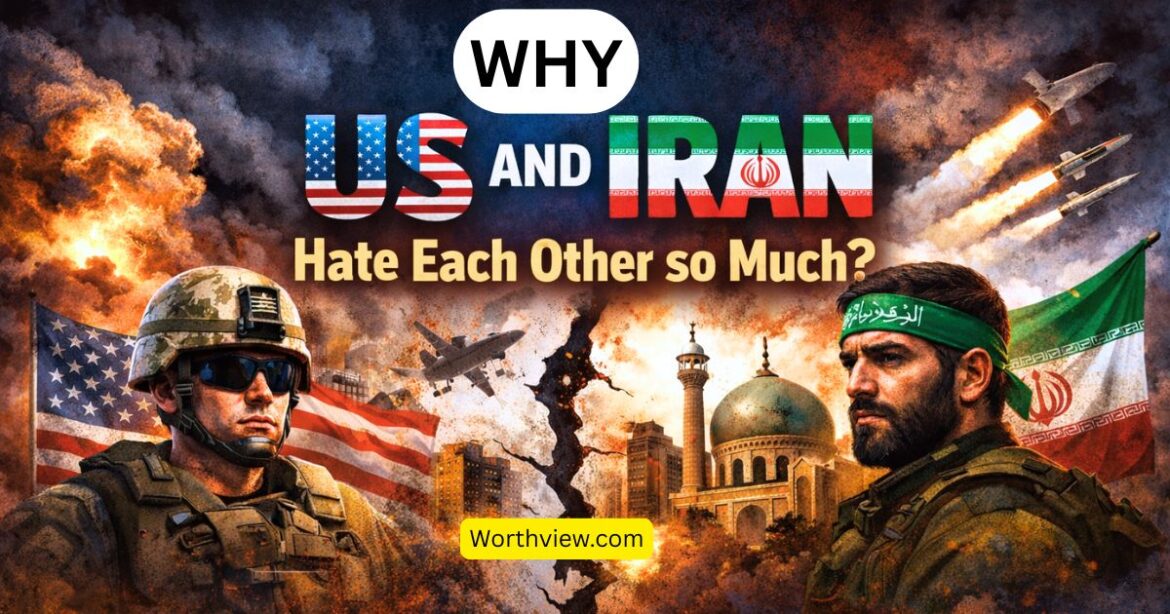
The US and Iran have been locked in a bitter rivalry for over 70 years. It started when the US overthrew Iran’s elected government in 1953, deepened after Iran’s 1979 Islamic Revolution and the hostage crisis, and has never recovered. Today the conflict is driven by three core fights: Iran’s nuclear program, its funding of anti-US armed groups across the Middle East, and a fundamental clash of ideology. Despite a brief 2015 nuclear deal, tensions have only escalated — culminating in the US killing Iran’s top general in 2020, a brief but devastating military exchange in June 2025, and fragile diplomacy in early 2026 that could still go either way.
For more than 70 years, the United States and Iran have moved between hostility, sanctions, proxy wars, and near-direct conflict.
There are no embassies. No formal diplomatic ties. No real trust.
To understand why tensions keep exploding, we need to go back to the beginning.
1953 — The Coup: The Original Wound
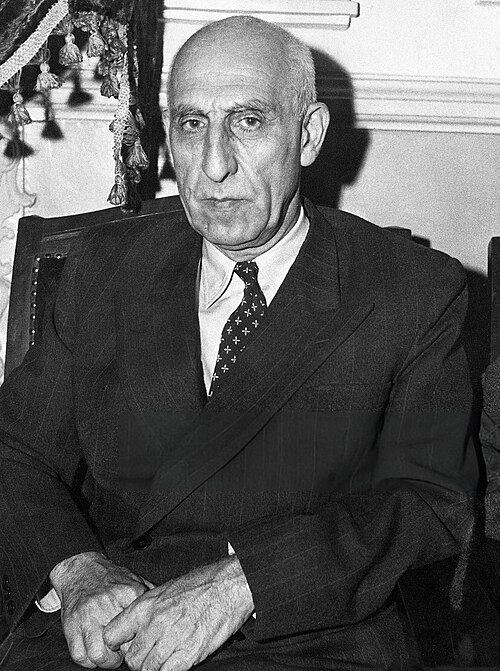
In 1953, Iran had a democratically elected Prime Minister — Mohammad Mossadegh.
He made one bold move:
He tried to nationalize Iran’s oil — taking control away from British and American companies.
The US and UK saw this as a threat.
So they backed a coup. Mossadegh was overthrown. The Shah — a pro-Western king — was restored to power.
For many Iranians, this was the moment everything changed.
👉 From Iran’s perspective, this was foreign interference in their democracy.
👉 From America’s perspective, it was Cold War strategy.
Iranians never forgot.
1979 — The Islamic Revolution: The Big Break
After 25 years of rule, the Shah was deeply unpopular.
In 1979, mass protests exploded.
The monarchy collapsed.
Ayatollah Khomeini returned from exile and declared Iran an Islamic Republic.
Soon after, Iranian students stormed the US Embassy in Tehran.
They held 52 Americans hostage for 444 days.
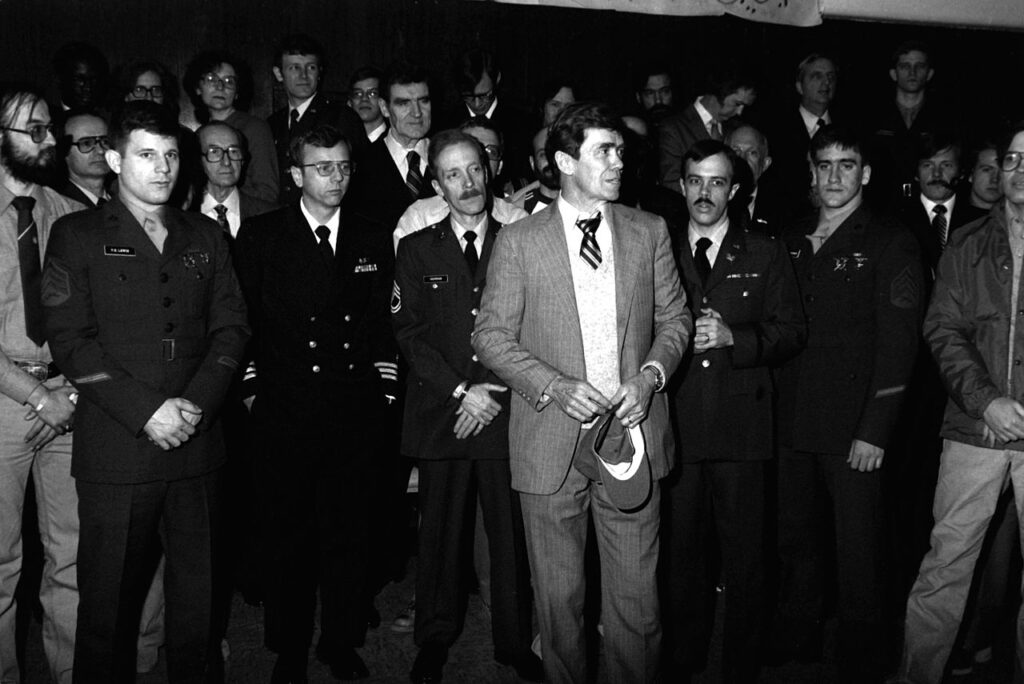
The US cut diplomatic ties.
Those ties have never been restored.
This was not just a political break — it became ideological warfare.
Also read, If the US and Iran Go to War, What Happens to Global Markets?
1980s — America Backs Iran’s Enemy
In 1980, Iraq invaded Iran.
The war lasted 8 brutal years.
The US supported Iraq with intelligence and backing, seeing Iran’s new regime as a bigger threat.
For Iranians, this reinforced one message:
America was against them.
1984 — “State Sponsor of Terrorism”
The US officially labeled Iran a State Sponsor of Terrorism.
Iran has since backed armed groups such as:
-
Hezbollah (Lebanon)
-
Hamas (Gaza)
-
Other militias across Iraq, Syria, and Yemen
The US calls these terrorist proxies.
Iran calls them resistance movements.
The proxy war era began.
2000s — The Nuclear Standoff
Iran began expanding its nuclear program.
The US and allies feared Iran was secretly building a nuclear bomb.
Iran insisted it was for energy and research.
Sanctions piled up:
-
Oil exports restricted
-
Banking systems blocked
-
International trade limited
Iran’s economy suffered badly.
The nuclear issue became the center of the conflict.
2015 — The Nuclear Deal (JCPOA)
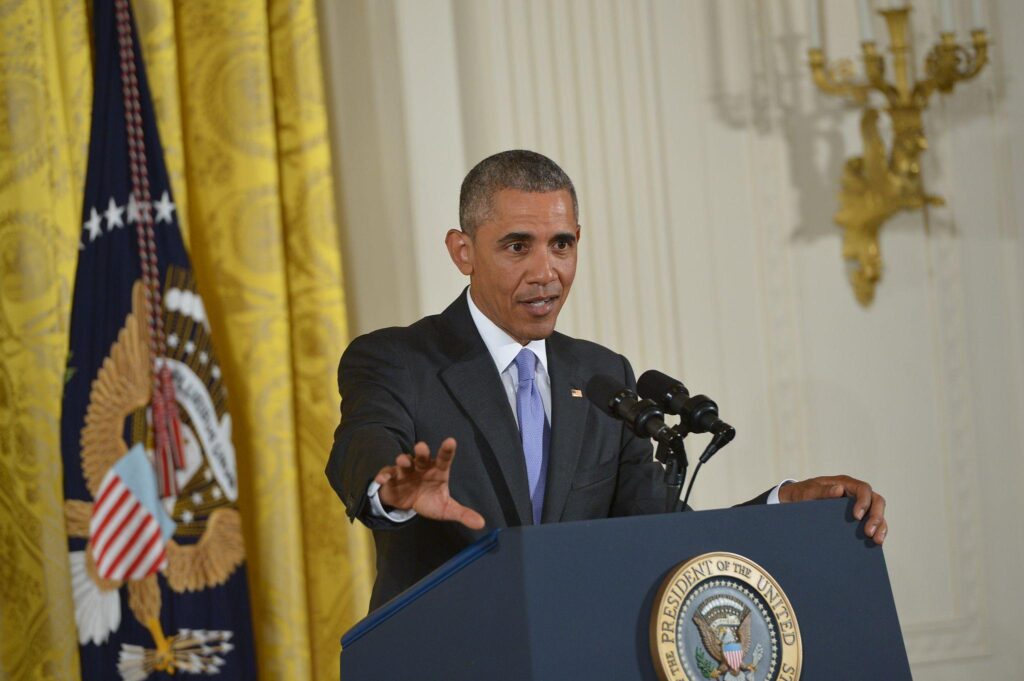
Under President Obama, the US and world powers signed the JCPOA (Iran Nuclear Deal).
Iran agreed to:
-
Limit uranium enrichment
-
Allow inspections
-
Reduce nuclear stockpiles
In return:
-
Sanctions were lifted
-
Iran regained oil access
It was fragile — but it worked for a time.
2018 — Trump Walks Away
President Trump called the deal “one-sided.”
The US withdrew.
Sanctions were reimposed.
Iran responded by gradually increasing uranium enrichment again.
Trust collapsed.
January 2020 — Soleimani Assassination
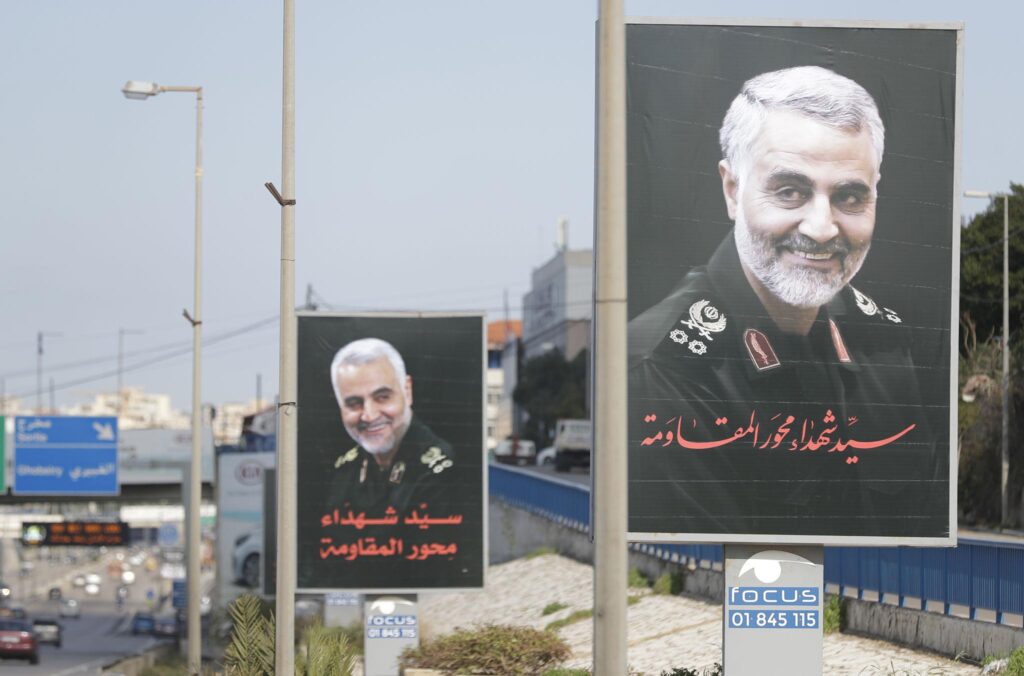
The US killed Iran’s top general, Qasem Soleimani, in a drone strike in Baghdad.
Iran retaliated with missile attacks on US bases in Iraq.
For a few days, the world feared full-scale war.
It didn’t happen — but tensions skyrocketed.
2021–2024 — Diplomacy Fails
President Biden attempted to revive the nuclear deal.
Talks stalled.
Iran enriched uranium closer to weapons-grade levels.
Meanwhile:
-
Israel began striking Iranian-linked targets across Syria and beyond
-
Regional tensions increased
The conflict became multi-layered — nuclear, proxy, cyber, and intelligence warfare.
June 2025 — The 12-Day War
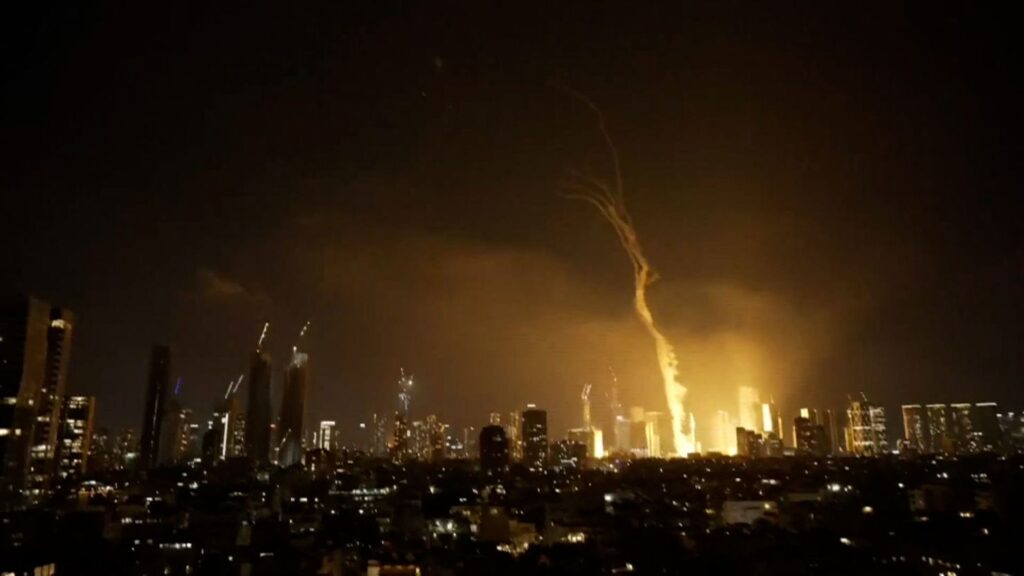
In June 2025, Israel launched a surprise attack on Iran.
Targets included:
-
Military installations
-
Senior generals
-
Nuclear scientists
Iran responded with missiles and drones at Israel.
Then the US directly intervened.
On June 21, US strikes hit three major nuclear facilities:
-
Fordow
-
Isfahan
-
Natanz
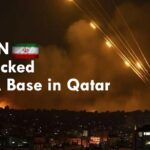
Iran retaliated by striking a US base in Qatar.
On June 23, a ceasefire was announced.
The war lasted 12 days — but it shook the region.
Late 2025 — Iran’s Internal Crisis
Iran’s currency collapsed.
Protests erupted across all 31 provinces.
The government crackdown was severe, with thousands reportedly killed.
In October 2025, the UN reimposed nuclear sanctions.
Iran faced pressure from both outside and inside.
Early 2026 — Where Things Stand
Now, US and Iranian negotiators are meeting in Geneva.
Analysts call it “last-chance diplomacy.”
The goal:
-
Prevent Iran from crossing the nuclear threshold
-
Avoid another regional war
-
Restore some level of stability
But trust is nearly zero.
One miscalculation could ignite everything again.
Why Do They Hate Each Other?
At the core, five major reasons drive this conflict:
🛢️ Oil & Power
The US historically sought influence in Middle Eastern oil.
Iran wants full sovereignty over its resources.
☢️ Nuclear Weapons
The US and Israel fear Iran is pursuing a bomb.
Iran says its program is peaceful.
🕌 Ideology
Iran’s Islamic leadership sees the US as imperialist.
The US views Iran as a destabilizing theocracy.
🪆 Proxy Wars
Iran funds groups opposing US allies.
The US supports Iran’s regional rivals.
🤝 No Diplomatic Relations
No embassies.
No direct hotline.
Every crisis escalates faster.
The Big Picture
This isn’t just about nuclear weapons.
It’s about history.
Power.
Pride.
Revenge.
Security.
And two nations that have not trusted each other since 1953.
The question in 2026 isn’t whether tensions exist.
It’s whether diplomacy can finally break a 70-year cycle —
or whether the next crisis becomes something much bigger.
FAQs: US–Iran Conflict
1. What started the conflict between the US and Iran?
The conflict began in 1953 when the US supported a coup that overthrew Iran’s Prime Minister after he nationalized oil. Relations completely broke down after the 1979 Islamic Revolution and the US Embassy hostage crisis.
2. Why did the US impose sanctions on Iran?
The US imposed sanctions mainly over Iran’s nuclear program, alleged support for militant groups, and human rights concerns. Sanctions target Iran’s oil exports, banking system, and global trade access.
3. What is the Iran nuclear issue about?
The US and its allies fear Iran may develop nuclear weapons. Iran says its nuclear program is for peaceful energy purposes. This disagreement led to sanctions and the 2015 nuclear deal (JCPOA), which later collapsed.
4. What was the 2015 Iran nuclear deal?
The Joint Comprehensive Plan of Action (JCPOA) was an agreement where Iran limited its nuclear activities in exchange for sanctions relief. The US withdrew from the deal in 2018.
5. Why did the US kill Qasem Soleimani?
In January 2020, the US carried out a drone strike killing Iranian General Qasem Soleimani, saying he was planning attacks on US forces. Iran retaliated with missile strikes on US bases in Iraq.
6. What are proxy wars between the US and Iran?
Instead of fighting directly, both countries support opposing groups in the Middle East. Iran backs groups like Hezbollah and Hamas, while the US supports Israel and several Gulf countries.
7. Has the US ever gone to war with Iran?
The US and Iran have never fought a full-scale declared war. However, they have engaged in proxy conflicts, cyber operations, military strikes, and near-war situations.
8. Why is oil important in this conflict?
Iran has one of the world’s largest oil reserves. Control over energy resources and influence in the Middle East has been a key factor in US–Iran tensions.
9. Why does Israel play a role in this conflict?
Israel sees Iran’s nuclear program as an existential threat. The US is a strong ally of Israel, which adds another layer of tension in US–Iran relations.
10. What is happening now between the US and Iran?
Diplomatic talks continue off and on, mainly focused on Iran’s nuclear program. However, sanctions, regional conflicts, and mistrust still dominate the relationship.
Related Posts