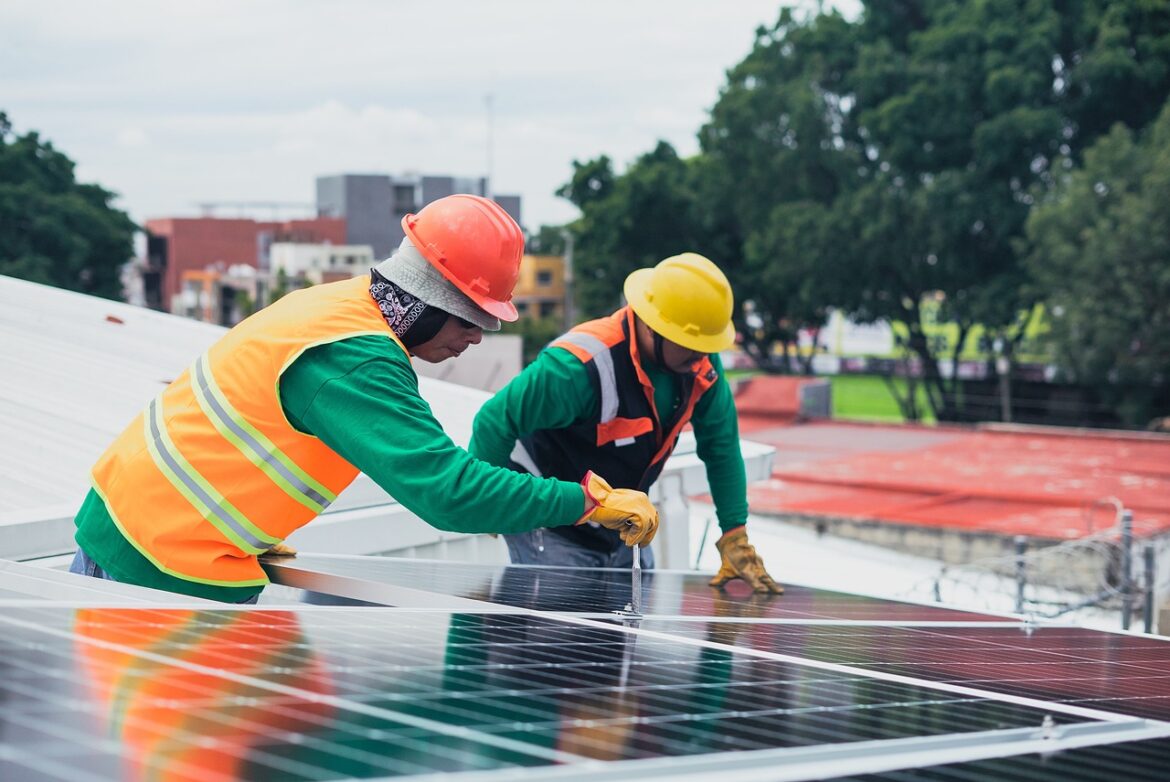
With the increasing interest in renewable energy, many homeowners are considering solar power as a sustainable and cost-effective solution for their energy needs. The process of selecting the right solar system can be daunting, considering the variety of options available in the market. To help simplify the decision, it’s crucial to understand the different aspects of solar power systems, from capacity and panel types to financial incentives and installation. Below, we’ll walk you through these important factors to ensure you make the best choice for your home.
Assessing Solar Installation Companies and Warranties
When choosing a solar installation company, it’s imperative to conduct thorough research. Look for a company with a solid reputation, a history of successful installations, and positive customer reviews. Certifications and accreditation can also indicate a higher level of expertise and commitment to industry standards. It’s advisable to obtain multiple quotes and consultations to compare offerings and get a detailed understanding of the services provided.
Installation warranties are another significant factor to consider. These warranties cover the labor and integrity of the installation work. A reputable MA & RI Solar Installation Company will offer a comprehensive warranty that provides peace of mind and indicates confidence in their workmanship. Additionally, manufacturers typically provide separate warranties for the solar panels and additional system components.
After-sales support should not be overlooked. Ensure that the company you choose has a dependable customer service team to address any post-installation issues. A company committed to customer satisfaction will provide ongoing support and assistance with system monitoring and maintenance.
The financial aspect of installing a solar system is often a top concern for many homeowners. Fortunately, various incentives can help offset the initial investment. Federal tax credits, state-level incentives, and local rebates can significantly reduce the total cost of a solar installation.
Considering financing options is another vital step. Loans, leases, and power purchase agreements (PPAs) offer different advantages and drawbacks to be weighed carefully. While some prefer the immediate ownership and potential increase in home value from purchasing a system outright, others might find the lower upfront costs and guaranteed performance of a lease or PPA more appealing.
Additionally, evaluating the return on investment (ROI) is a necessary part of the financial decision-making process. The ROI for solar panel installations depends on factors such as energy savings, system cost, and the lifespan of the equipment. Thoroughly analyzing these factors will help determine the long-term affordability and value of the solar system.
Understanding Solar Power Capacity and Your Energy Needs
Before investing in a solar system, it’s essential to assess your household’s energy consumption. This evaluation will help determine the capacity of the solar power system needed to meet your daily usage. Reviewing past electricity bills is a practical start, as it provides an idea of your average energy needs throughout the year, accounting for seasonal changes.
Determining peak sun hours in your region is another crucial factor. These hours represent the time during the day when your solar panels can generate maximum energy. Moreover, considering the orientation and pitch of your roof as well as potential shading, can further refine your capacity requirements.
Lastly, it’s advantageous to familiarize yourself with the concept of net metering. This policy allows homeowners to feed excess electricity generated by their solar panels back into the grid, earning credits on their utility bills. Understanding how net metering works in your area can influence the size of the solar system you choose.
The Importance of Maintenance and Monitoring for Solar Systems
After installation, proper maintenance of your solar system is necessary to ensure optimal performance. Many solar systems require minimal upkeep, yet regular inspections can help identify and address any issues, such as dirt accumulation or physical damage to the panels.
Monitoring system performance is also vital. Many solar systems come with monitoring software that allows homeowners to track production in real-time. This technology can alert users to any inefficiencies or malfunctions, allowing for prompt corrective actions.
Altogether, the journey to solar energy for your home involves careful consideration of your energy needs, the efficiency of different solar panels, and the financial implications, including available incentives. Overall, thoughtful planning and a partnership with a reliable installation company will secure the success of your move to sustainable energy.
Enjoy Worthview?
Add Worthview as a Preferred Source on Google to see more of our stories in Search.

Worthview Editorial Team is the shared byline for content created collaboratively by Worthview’s editors and contributors. Since 2008, we’ve published thousands of articles across technology, AI, finance, health, home, travel, and lifestyle. Our editorial process emphasizes original research, reputable sources, regular content updates, and clear attribution. Articles covering higher-trust topics, including health and finance, may also undergo review by qualified subject-matter experts.