Where you sleep in Miami changes everything about the trip. Get it right and the city opens up – beaches, restaurants, cultural spots all feel accessible. Get it wrong and you’re spending money on rideshares, sitting in bridge traffic, or paying resort prices for a view you never actually wanted.
This guide cuts through the options: which neighborhoods solve which problems, which areas genuinely work for whom, and what prices look like heading into 2026.
How Miami’s Geography Shapes Your Stay
Here’s something a lot of people only figure out after arriving: Miami and Miami Beach are not the same place. The beaches everyone pictures are on barrier islands – thin strips of land separated from the mainland by Biscayne Bay, crossed by a handful of causeways. It sounds like a minor detail until you’re watching the clock before a dinner reservation.
On the mainland you’ll find Brickell’s towers, Downtown’s museums, the leafy streets of Coconut Grove, and the manicured boulevards of Coral Gables. Across the water sit South Beach, Mid Beach, North Beach, Bal Harbour, and Surfside – each with a different feel and a different price tag.
CoStar’s 2025 data puts Miami’s hotel occupancy at 83.2% – the highest figure recorded across the top 25 U.S. markets that year. Rooms here fill up, and the difference between a neighborhood that fits your plans and one that doesn’t shows up fast – in your wallet and your daily schedule.
South Beach: The Most Recognizable Miami Beach Accommodation Area
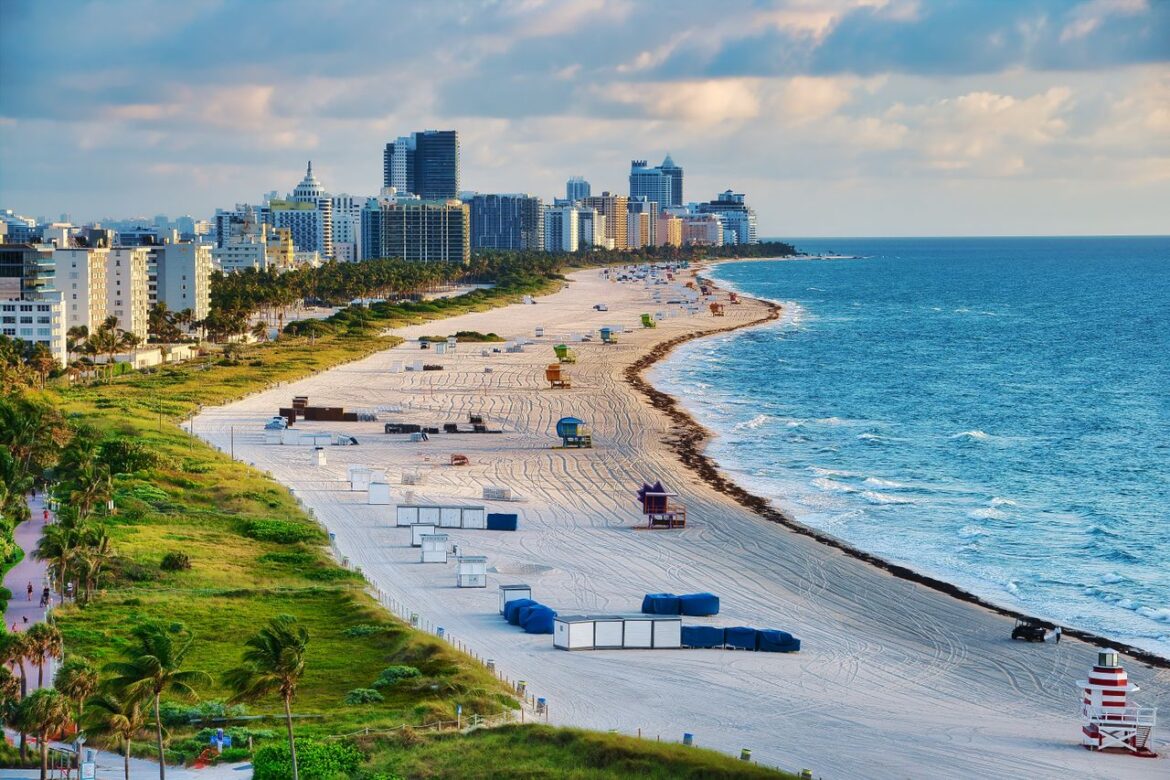
South Beach is what most people have in mind when they start searching for Miami beach accommodation. The Art Deco Historic District stretches along Ocean Drive and Collins Avenue, with more than 800 registered buildings – a density of that architectural style found nowhere else on earth. It’s not just a pretty backdrop; the whole area is compact enough to cover on foot, which is genuinely rare in South Florida.
Who Does South Beach Actually Work For?
Not everyone, despite what the marketing suggests. The neighborhood rewards certain kinds of travelers and frustrates others pretty quickly.
Best suited for:
- First-time visitors who want the signature Miami experience
- Beach-focused travelers – the sand is a short walk from most hotels
- Nightlife seekers and socially-driven travelers
- Anyone with a genuine interest in the Art Deco architecture
Less ideal for:
- Families with young children – Ocean Drive stays loud well into the night
- Budget travelers – accommodation costs here are among the steepest in Florida
- Anyone needing quick access to Downtown or PortMiami
Timing and Pricing in South Beach
Peak season covers mid-November through April, when Art Basel, spring breakers, and the annual snowbird migration all overlap. In the week ending April 4, 2026, Miami-Dade’s average daily hotel rate hit $325.48 – up 24.7% from the same week the previous year, and well above the national average increase of 15.3% for that period.
June through early September is the window for noticeably lower rates. The beach doesn’t go anywhere. The crowds mostly do.
Brickell and Downtown: Mainland Miami Accommodations Explained
The mainland offers a different kind of stay entirely – more urban, more functional, and across most categories, more affordable than the island side.
Brickell: Miami’s Most Polished Neighborhood
Brickell gets called the “Wall Street of the South” often enough that it’s become a cliché, but the description holds. Glass towers, high-end restaurants, rooftop bars, and the free Metromover rail system make this one of the more self-contained neighborhoods in the city. Suites in Miami, FL, at this level – full-service properties run by international hotel brands – are concentrated here more than anywhere else on the mainland.
The walkability is real, which stands out for Miami. Brickell City Centre and Mary Brickell Village keep dining and retail within a few blocks. Business travelers find it obvious. For leisure visitors, it works well as long as beach proximity isn’t the daily priority – the water requires a rideshare, not a stroll.
Pro tip: The free Metromover connects Brickell to Downtown in minutes – useful for event nights or port-day logistics.
Downtown Miami: More Useful Than It Gets Credit For
Downtown tends to get dismissed as a business district, which undersells it. The Pérez Art Museum Miami and the Frost Museum of Science sit in this corridor. Bayfront Park offers waterfront space that’s genuinely pleasant. And PortMiami – handling more cruise passengers annually than any port in the world – is right there.
The area does thin out mid-week once the conference and event crowd leaves, and that can make parts of it feel quieter than expected. Miami accommodation rates here, though, run lower than South Beach or Brickell, and for travelers planning to move around the city rather than stay planted in one spot, that’s a reasonable trade.
Quieter Alternatives: Coconut Grove, Coral Gables, and Bal Harbour
Some travelers come to Miami specifically to avoid the South Beach circuit – the noise, the prices, the relentless foot traffic. For them, Miami accommodations on the quieter end of the spectrum deserve a closer look. Finding the right Miami accommodation in these neighborhoods often means better value, a more local atmosphere, and a pace that doesn’t feel like a nightclub at all hours.
Coconut Grove: Where Miami Started
Coconut Grove holds the distinction of being Miami’s oldest continuously inhabited neighborhood, originally put on the map in the late 1800s by Bahamian workers, artists, and an unusual collection of intellectuals who wanted something different from the mainland cities up north. That origin left a permanent mark on its character.
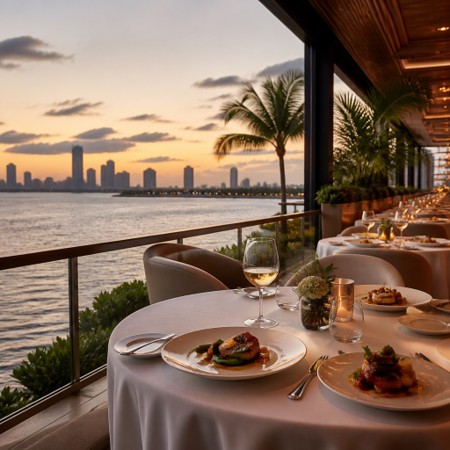
The streets here are narrow and tree-covered, the cafes are mostly independent, the waterfront parks are actually used rather than just photographed. Miami accommodations in Coconut Grove run toward smaller boutique properties – nothing resembling the mega-resorts of South Beach. The bay is close; the open ocean isn’t. Couples and families who want waterfront dining and a calm rhythm tend to land here happily, and Brickell is close enough for a night out when the mood shifts.
Coral Gables: Thoughtfully Built, Easy to Underestimate
Coral Gables didn’t grow organically the way most cities do. It was planned and built in the 1920s around Mediterranean Revival architecture, wide canopied roads, and zoning rules strict enough that they still shape the streetscape a century later. The Venetian Pool – a public swimming facility cut directly from a coral rock quarry in 1923 – is one of those attractions that genuinely surprises people who stumble across it.
Miami accommodation options here are fewer than in other neighborhoods, but consistently lean upscale, built around a small number of well-established historic hotels. Travelers drawn to design, quiet streets, and a city that moves at its own pace tend to find it fits well.
Bal Harbour and Surfside: A Different Kind of Beach Stay
Bal Harbour and Surfside occupy the northern end of the barrier islands, and the contrast with South Beach is striking. Beaches run wider and stay much less crowded. Bal Harbour Shops routinely ranks among the top luxury retail destinations in the country by sales per square foot – which says a lot about who the neighborhood is designed for.
For travelers prioritizing premium Miami beach accommodation without the chaos that comes with the southern end of the island, this stretch is genuinely hard to fault. The trade-off is energy – there isn’t much after dark. That’s the point.
Neighborhood Comparison at a Glance
| Neighborhood | Best For | Beach Access | Vibe | Price Range |
| South Beach | First-timers, nightlife | Direct (walk) | Iconic, high energy | $$–$$$$ |
| Mid/North Beach | Families, quieter stays | Direct (walk) | Relaxed, residential | $$–$$$ |
| Brickell | Business, dining | Rideshare needed | Polished, upscale | $$$–$$$$ |
| Downtown | Cruisers, museums | Rideshare needed | Urban, practical | $$–$$$ |
| Coconut Grove | Couples, families | Bay views only | Bohemian, leafy | $$–$$$ |
| Bal Harbour | Luxury travelers | Direct (walk) | Exclusive, calm | $$$$+ |
What to Watch Out For When Booking Miami Accommodation
A few recurring issues catch travelers off-guard and add real cost to what looked like a reasonable rate.
Hidden costs worth checking before confirming:
- Resort fees – charged per night, typically $40–$80, and rarely visible in the headline rate
- Parking fees – South Beach and Brickell hotel garages commonly run $30–$60 per night
- Service charges – some properties stack 20–25% on top of the room rate under different labels
On booking timing:
- For peak season (December through April), booking 6–8 weeks out is worth doing
- Summer last-minute availability exists, but good options in well-located areas get taken faster than most expect
- Midweek stays in Brickell and Downtown regularly come in cheaper than weekend rates – worth checking even if the plan involves weekend check-in
Getting around: The Metromover is free and covers Downtown and Brickell well enough. It stops well short of the beaches. Anyone staying in mainland Miami accommodation and planning regular beach days should factor rideshare costs into the budget – or rent a car and account for the parking fees that come with it.
Frequently Asked Questions
What is the best area to stay in Miami for first-time visitors?
South Beach. Direct beach access, walkable streets, and the visual atmosphere most people associate with the city make it the clearest starting point. The noise and price premium are real, but nothing else gives the same first-impression punch.
Is Brickell a good place to stay in Miami?
For business travelers and anyone who prefers a polished urban base over beach proximity, yes. The neighborhood is walkable, the Metromover handles short-distance transit for free, and the restaurant selection is genuinely strong. Getting to the beach means a rideshare.
What is the cheapest time to book Miami accommodation?
June through early September. Rates across all neighborhoods drop meaningfully, and while humidity climbs, the beaches are quieter and the city operates at a more manageable pace.
Are there good suites in Miami, FL, outside of South Beach?
Yes – suites in Miami FL are available across Brickell, Downtown, Coconut Grove, and Bal Harbour, and in several cases offer better value than equivalent South Beach options. Brickell has a strong selection of full-service suite properties backed by major hotel brands.
How far is Brickell from the beach?
Around 20–30 minutes by rideshare, depending on traffic and time of day. No direct public transit runs between Brickell and Miami Beach – the Metromover ends well before the causeways.
What is the average hotel cost in Miami in 2026?
It shifts considerably by season and area. During spring break 2026, Miami-Dade’s average daily hotel rate reached $325.48 – but that’s peak pricing. Travelers booking off-peak in Downtown or Mid Beach will find rates well below that figure, sometimes by half.
Enjoy Worthview?
Add Worthview as a Preferred Source on Google to see more of our stories in Search.

Worthview Editorial Team is the shared byline for content created collaboratively by Worthview’s editors and contributors. Since 2008, we’ve published thousands of articles across technology, AI, finance, health, home, travel, and lifestyle. Our editorial process emphasizes original research, reputable sources, regular content updates, and clear attribution. Articles covering higher-trust topics, including health and finance, may also undergo review by qualified subject-matter experts.