Maintaining your property’s value doesn’t require a massive renovation or constant upgrades. With a few smart and consistent habits, homeowners can preserve — and even enhance — the long-term worth of their investment. Whether you’re planning to sell down the road or simply want to protect what you’ve built, here are simple strategies that make a significant impact on your home’s value.
Understand Your Type of Property Ownership
One of the first steps in maintaining property value is understanding how you legally own your home. Whether you’re the only name on the deed, share it with a spouse or partner, or co-own with others, your ownership structure can influence decision-making, taxes, and future sale potential. The three main types—sole ownership, joint tenancy, and tenancy in common—each come with their own implications, especially when it comes to inheritance and resale. Knowing which one applies to you ensures you can make informed, protective choices for your property. If you’re unsure of your current ownership arrangement, consult a real estate professional or attorney to help clarify it.
Keep Up with Routine Roof Inspections
Your roof is one of the most vital components of your home’s structure, yet it’s often overlooked until a problem arises. In fact, nearly 23% of homeowners admit to never checking their roof or only doing so when issues like leaks appear. Preventive roof inspections at least once a year can catch minor wear and tear before it becomes a major expense — and protect your home’s resale value in the process. A roofing professional can help you establish a maintenance schedule based on your roof’s age and materials.
Invest in Start Energy Solutions
Energy efficiency is becoming a major selling point for homes. Installing solar panels is not only eco-friendly but also increasingly valuable. Projections from industry experts suggest that by 2030, solar energy could power up to 30% of U.S. electricity needs. By joining this movement now, you can boost your home’s appeal, reduce utility bills, and stay ahead of market trends. Plus, many states offer tax incentives or rebates that make solar installation more affordable than ever.
Maintain Curb Appeal All Year Long
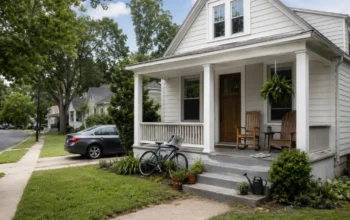
First impressions matter, and your home’s exterior sets the tone. Regularly trimming bushes, mowing the lawn, and freshening up paint or siding can make your property stand out. These simple efforts can lead to stronger neighborhood appeal and better market perception — key elements in property value retention. Even adding seasonal plants or a clean welcome mat can significantly boost curb appeal with minimal effort.
Stay on Top of Small Repairs
That squeaky door, loose handrail, or dripping faucet might seem minor, but when left unaddressed, these issues can snowball into bigger problems. Tackling small fixes as they arise not only prevents more costly damage but also shows potential buyers that the home has been well maintained. Create a monthly checklist to track and manage these minor but important tasks consistently.
Update Interior Spaces Strategically
You don’t need to do a full remodel to enhance your home’s value. Focus on high-return upgrades such as fresh paint, new light fixtures, or updated cabinet hardware. These changes are affordable and can significantly modernize your home’s look and feel without overwhelming your budget. Prioritize kitchens and bathrooms, as buyers often place the most value on these rooms.
Document Home Improvements
Whenever you upgrade or repair your home, keep records — including receipts, before-and-after photos, and contractor information. This documentation is helpful for tax purposes and also reassures buyers that the work was done professionally and with care, helping justify your property’s price point. A well-organized improvement log can even speed up the sales process during negotiations or appraisals.
Monitor the Local Market
Property values are influenced not just by what you do inside your home but also by what’s happening in your neighborhood. Stay aware of trends, new developments, and average home prices in your area. Being informed allows you to time upgrades or even list your property when market conditions are most favorable. Attending local planning meetings or following real estate reports can provide valuable insights into neighborhood growth.
Maintaining your property’s value is all about consistency, foresight, and attention to detail. By staying proactive with inspections, investing in energy efficiency, and making small yet meaningful improvements, you can ensure your home remains a strong, appreciated asset for years to come.
Enjoy Worthview?
Add Worthview as a Preferred Source on Google to see more of our stories in Search.

Worthview Editorial Team is the shared byline for content created collaboratively by Worthview’s editors and contributors. Since 2008, we’ve published thousands of articles across technology, AI, finance, health, home, travel, and lifestyle. Our editorial process emphasizes original research, reputable sources, regular content updates, and clear attribution. Articles covering higher-trust topics, including health and finance, may also undergo review by qualified subject-matter experts.